Article Contents
Short answer: Use aluminum when weight, cost, and fast machining matter. Use stainless steel when you need higher strength, better corrosion resistance in harsh environments, or when the part will be used with food, chemicals, or in marine conditions. When in doubt, describe your application to your supplier and ask for a recommendation.
Choose Aluminum When?/h3>
- Weight is important (drones, portable devices, aerospace)
- You want lower cost machining and material
- You need good thermal or electrical conductivity
- Fast lead time matters (aluminum machines 3?× faster)
- The part will be anodized for surface protection
- Environment is normal outdoor or indoor use
Choose Stainless Steel When?/h3>
- The part will contact food, medical equipment, or chemicals
- Marine environment or saltwater exposure
- High strength under load is required
- Surface must remain smooth and hard after wear
- High temperature operation (>150°C)
- The part must meet FDA or medical standards
Weight
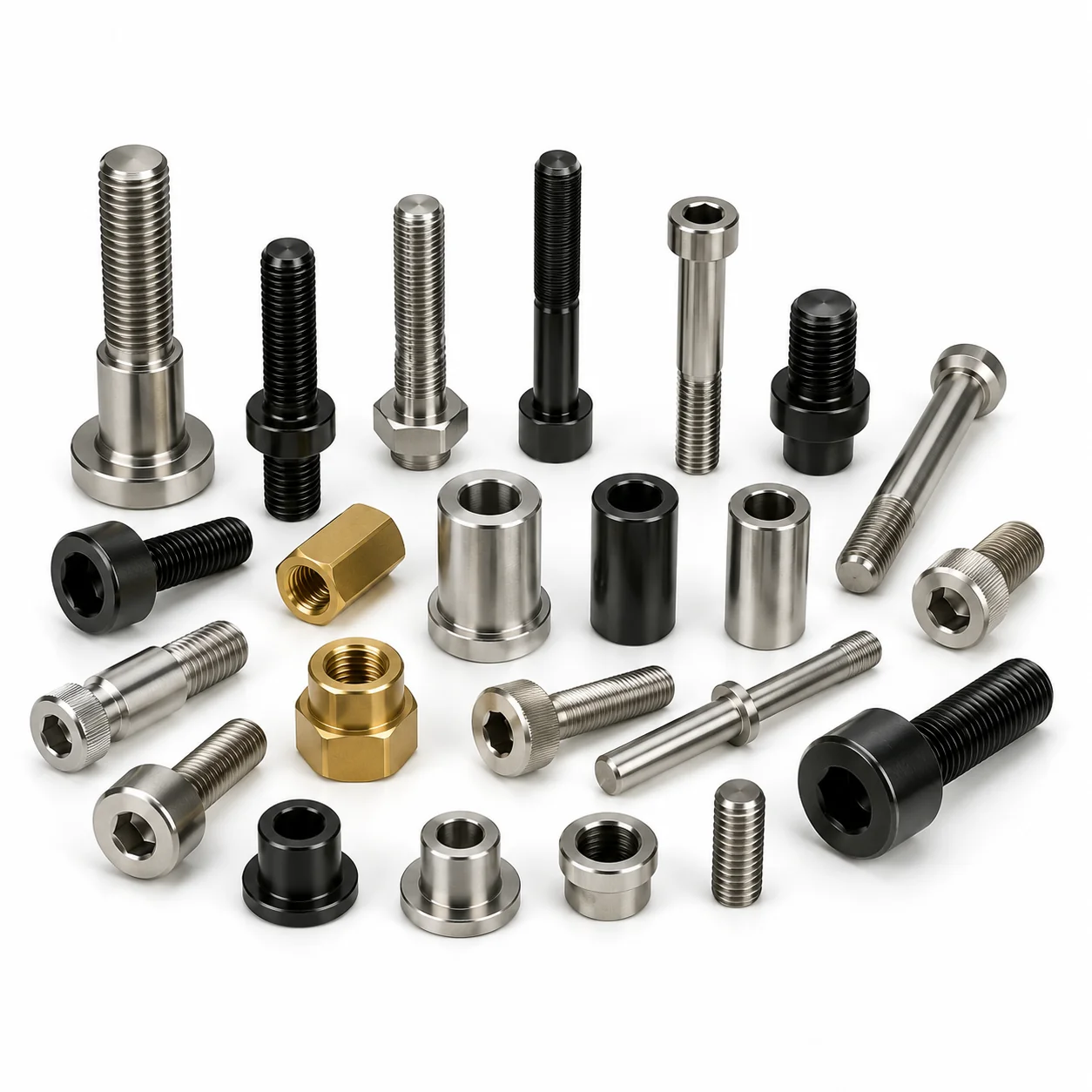
Aluminum is approximately one-third the weight of stainless steel. Aluminum 6061 has a density of about 2.7 g/cm³, versus roughly 7.9 g/cm³ for stainless steel 304. This difference is enormous for weight-sensitive applications like drones, aircraft components, portable equipment, and automotive parts where reducing mass improves performance or fuel efficiency.
Strength
Stainless steel is stronger in absolute terms. Grade 304 stainless has a tensile strength of around 515 MPa; aluminum 6061-T6 is about 310 MPa. However, when you compare strength per unit weight, aluminum 6061 is competitive it delivers more structural performance per kilogram than most stainless grades.
The practical implication: if you need a bracket that holds 500kg in a static application, both materials can be designed to work but an aluminum bracket will be lighter. If you need a thin-walled tube to resist bending, stainless steel may hold its shape better at smaller wall thicknesses.
Corrosion Resistance
Both materials resist corrosion, but through different mechanisms:
- Aluminum forms a natural oxide layer that is self-healing. In most outdoor environments it performs well. Anodizing enhances this protection. However, aluminum corrodes rapidly in alkaline environments (concrete contact, some cleaning chemicals) and in marine environments with salt spray.
- Stainless steel (especially grade 316) resists a wider range of corrosive environments including marine conditions, chemical exposure, and some acids. Its surface does not corrode even when scratched, because the chromium in the alloy re-forms the protective layer.
Machinability and Cost
Aluminum is easier and faster to machine than stainless steel. It cuts at higher speeds, causes less tool wear, and produces cleaner surfaces. As a general guide, machining stainless steel costs roughly 2 to 3 times more than equivalent aluminum parts partly from slower speeds, partly from more tool changes.
Material cost also differs aluminum 6061 bar stock is typically less expensive per kilogram than 304 stainless, though prices fluctuate with commodity markets.
Common Grade Choices
For aluminum:
- 6061-T6 the most common choice. Good strength, excellent machinability, weldable, anodizes well. Suitable for 90% of general applications.
- 7075-T6 higher strength, used in aerospace and high-stress applications. More expensive, harder to weld.
- 2024-T3 aerospace grade, excellent fatigue resistance.
For stainless steel:
- 304 most common stainless. Good general corrosion resistance, food safe, cost-effective.
- 316L marine grade. Better resistance to chlorides and saltwater. Used in medical and chemical applications.
- 303 optimized for machining. Slightly lower corrosion resistance than 304 but much easier to cut.
The grade names change by country: 6061 is EN AW-6061 / 3.3211 and Europe machines 6082 in its place; 304 is 1.4301, SUS304 and 06Cr19Ni10. The aluminium alloy equivalents chart and the stainless steel grade equivalents chart cross them and say what the part is made in.
Same Part, Different Material
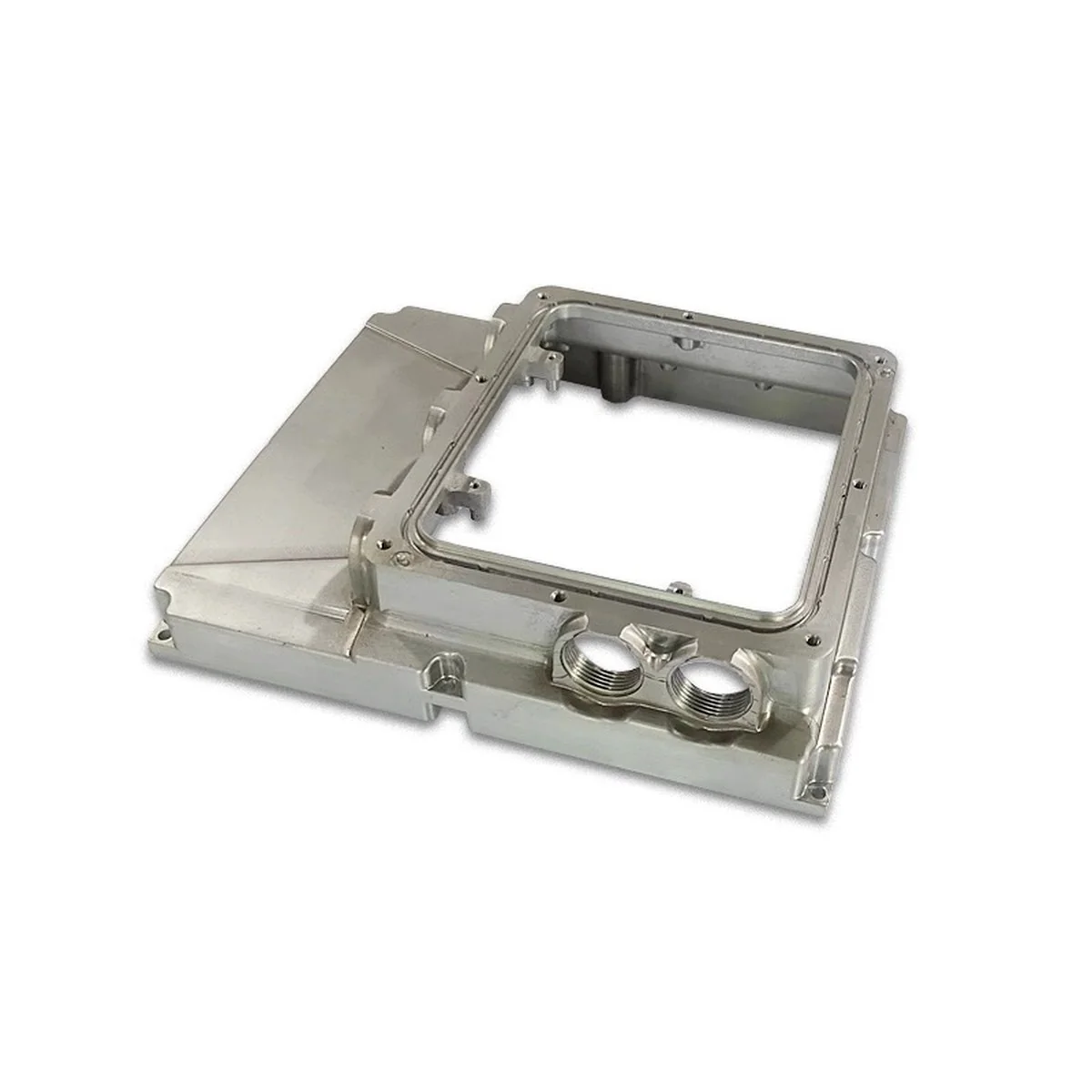
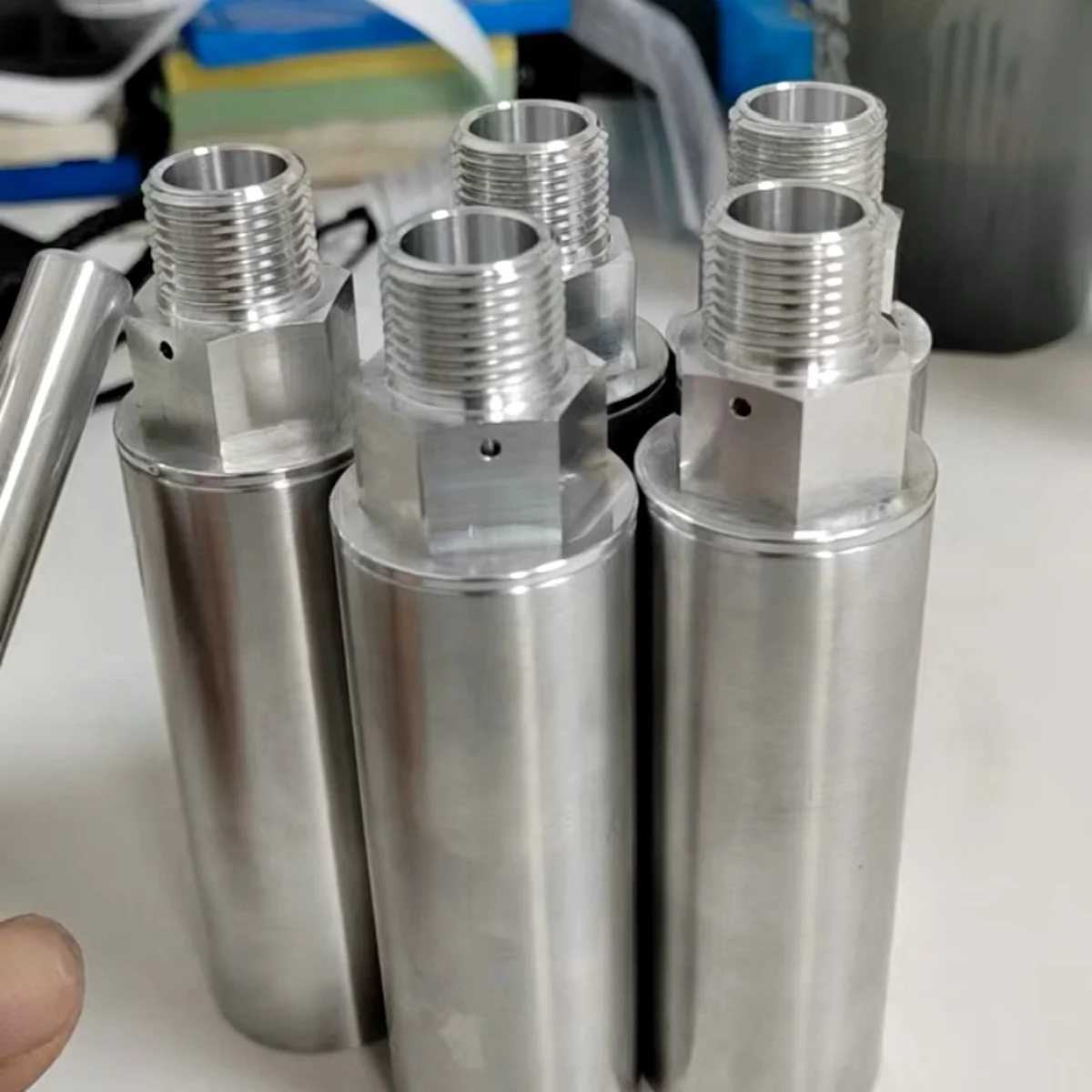
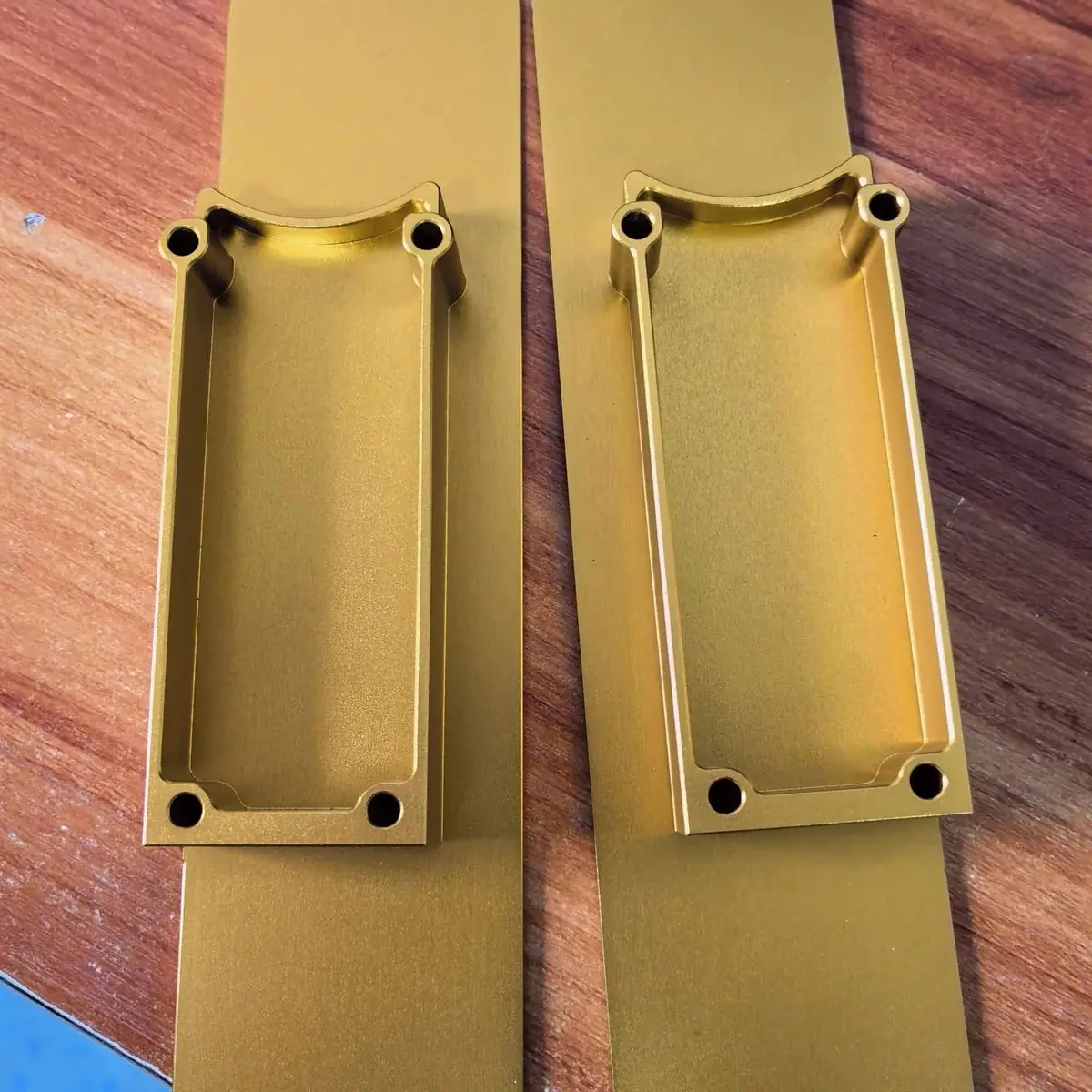
Parts we have machined in both aluminium and stainless same geometry, different application:
Frequently Asked Questions
Stainless steel has higher absolute tensile strength. But aluminum has a better strength-to-weight ratio it delivers more structural value per kilogram. For most structural applications where weight matters, aluminum is the better engineering choice.
Aluminum is cheaper to machine typically 2 to 3 times less expensive than equivalent stainless steel parts, due to faster cutting speeds and less tool wear. Material cost also tends to be lower for aluminum.
Yes, in most cases. Aluminum forms a natural protective oxide layer and performs well in typical outdoor environments. Anodizing adds further protection. In marine environments with heavy salt spray, 316 stainless steel is a better choice.
Grade 304 or 316 stainless steel is the standard for food-contact applications. Aluminum can be used in food equipment but requires anodizing or coating to prevent surface reactions with acidic foods. Stainless steel is easier to clean and more resistant to pitting from food acids.
Not sure which material is right for your part? Send us your drawing or description and our engineering team will recommend the most appropriate material and grade for your application at no charge as part of our quoting process.