Article Contents
Short answer: Tolerance is how much a dimension is allowed to vary from the specified size. Standard CNC tolerance is ±0.1mm. Precision machining holds ±0.01mm. Ultra-precision grinding can achieve ±0.005mm. Use tight tolerances only where parts must fit precisely specifying them everywhere adds cost without benefit.
What Is a Tolerance?
When you specify a dimension on a drawing, the machine cannot produce that dimension perfectly every time. There is always some small variation. A tolerance defines how much variation is acceptable.
For example: a shaft specified as 20.0mm ±0.1mm means the actual diameter can be anywhere from 19.9mm to 20.1mm and is considered acceptable. The total band of acceptable variation is 0.2mm wide.
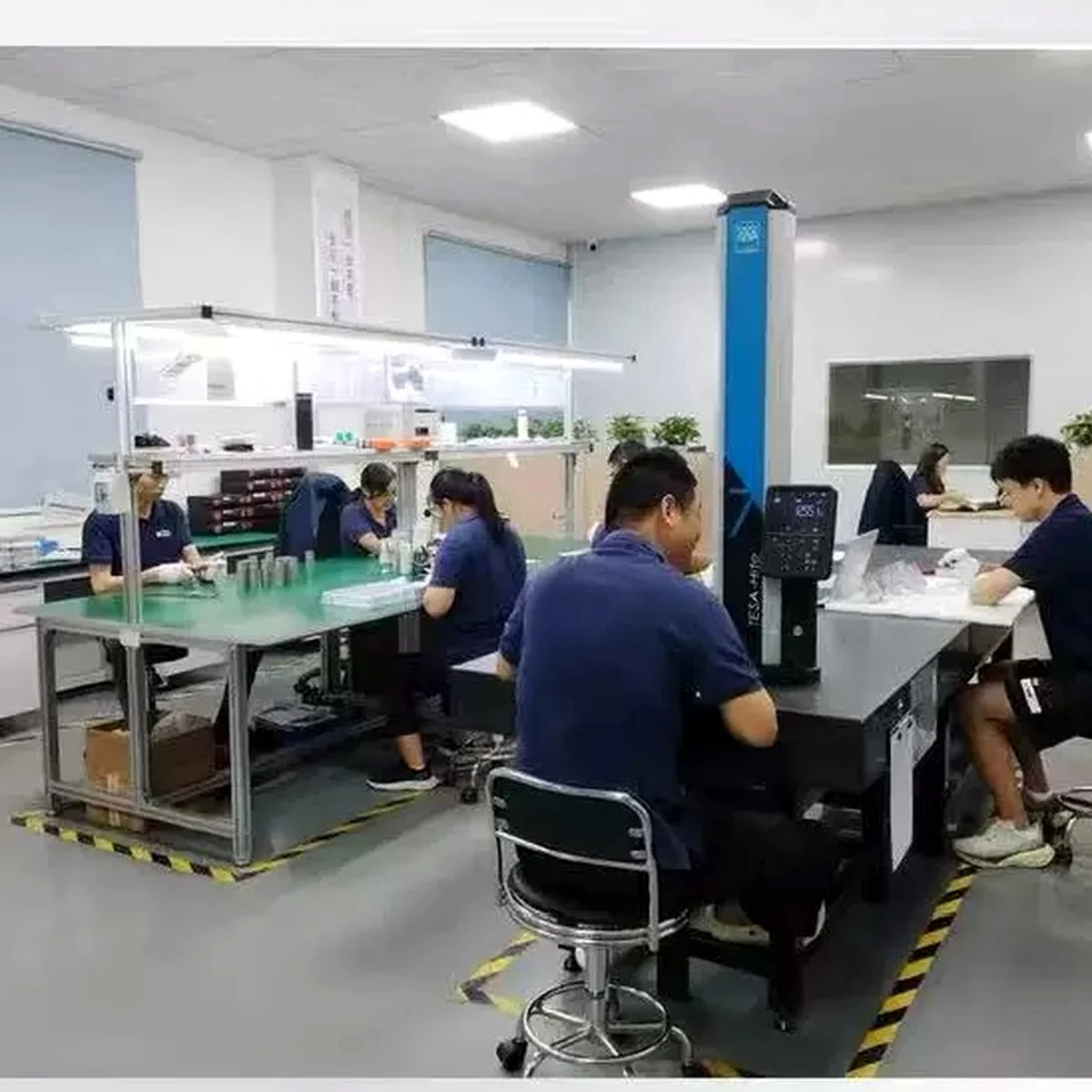
Tighter tolerances require more careful machining, more frequent tool changes, slower cutting speeds, and more inspection time. That is why precision costs more.
Common Tolerance Grades and When to Use Them
| Tolerance | Grade | Typical Applications | Relative Cost |
|---|---|---|---|
| ±0.5mm | Rough | Structural brackets, non-fitting surfaces, decorative parts | Lowest |
| ±0.1mm | Standard | General machined parts, most holes and features | Low |
| ±0.05mm | Medium precision | Parts that fit together but with some play | Medium |
| ±0.01mm | High precision | Bearing fits, sliding fits, precision assemblies | High |
| ±0.005mm | Ultra precision | Gauge tools, precision instruments, interference fits | Highest |
When a drawing tolerances nothing individually, the title-block note takes over: a note like ISO 2768-mK gives every unmarked 6–30 mm dimension ±0.2 mm. Our ISO 2768 general tolerance chart lists every value of classes f, m, c, v and H, K, L — and what we machine to when the drawing states nothing at all.
Where Tight Tolerances Actually Matter
For shaft-and-bore assemblies these tolerances are usually specified as ISO fits (H7/g6, H7/p6 and so on) — our limits & fits chart and calculator gives the exact limits for any size from 1–250 mm.
The key insight is that not every dimension on a part needs tight tolerance. Specifying ±0.01mm everywhere on a simple bracket is wasteful it costs more and provides no benefit.
Tight tolerances are genuinely needed when:
- A shaft must fit into a bearing bore (the fit clearance may be only 0.01?.03mm)
- A pin must slide smoothly in a hole without wobble
- Two surfaces must mate flat and seal against each other
- A part must be interchangeable with another without adjustment
Standard tolerances (±0.1mm) are fine for:
- Mounting holes where bolts will have clearance anyway
- Overall lengths and widths of structural parts
- Decorative chamfers, fillets, or surface features
- Any dimension that does not affect fit or function
Practical rule: Mark the two or three dimensions that are truly critical (usually where parts interface with each other) with tight tolerances. Leave everything else at standard. Your supplier can help identify which dimensions are critical if you describe how the part is used.
What If You Don't Know What Tolerance to Specify?
If you are ordering a part for the first time and are unsure about tolerances, the best approach is to describe the application to your supplier and let them advise. Questions to answer:
- Does this part need to fit precisely with another component?
- Will it be moving (rotating, sliding) or static?
- Does it need to seal against fluids or gases?
- How much play (looseness) is acceptable?
With this information, an experienced machinist can specify appropriate tolerances and call out which dimensions matter most.
Parts Made to Specific Tolerance Requirements
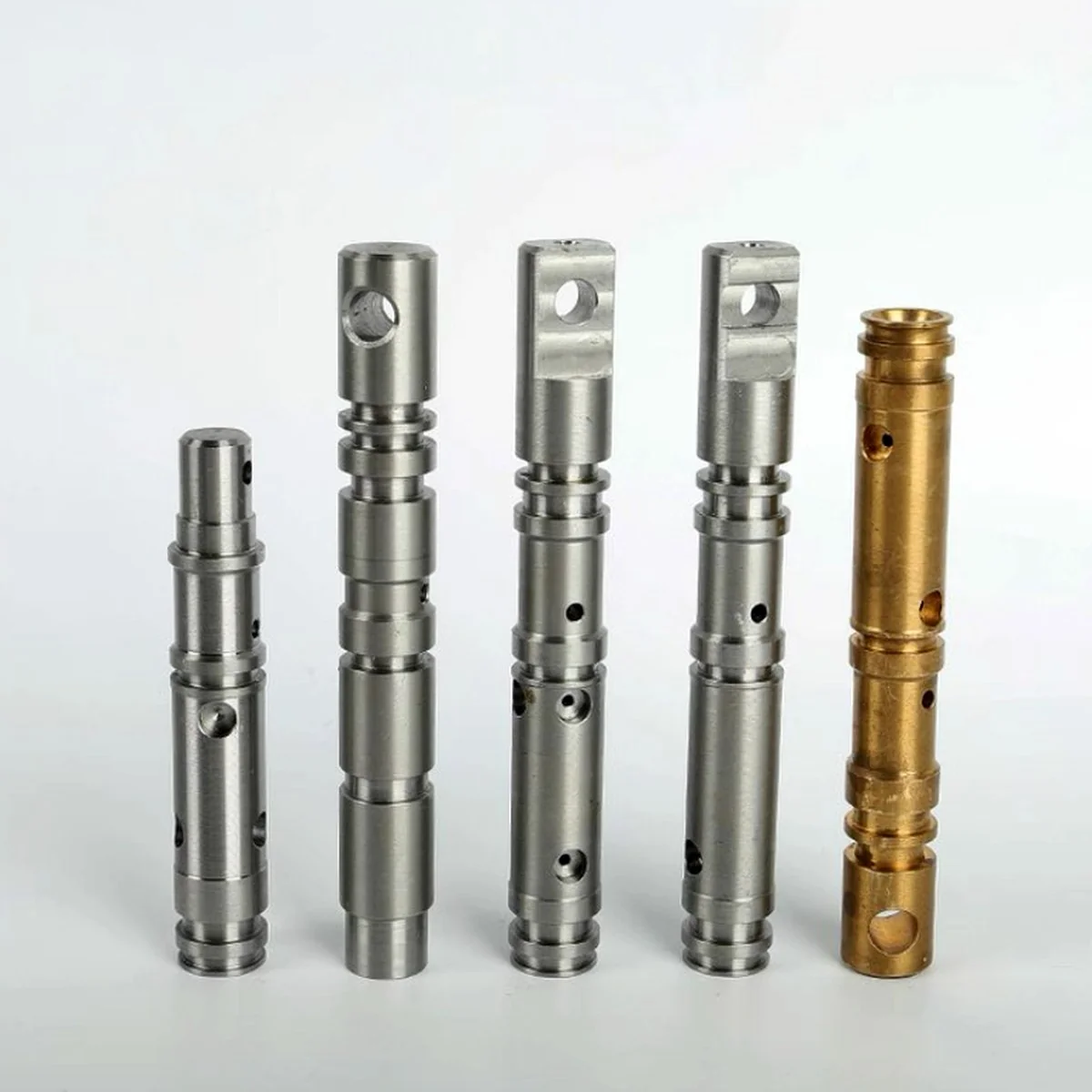
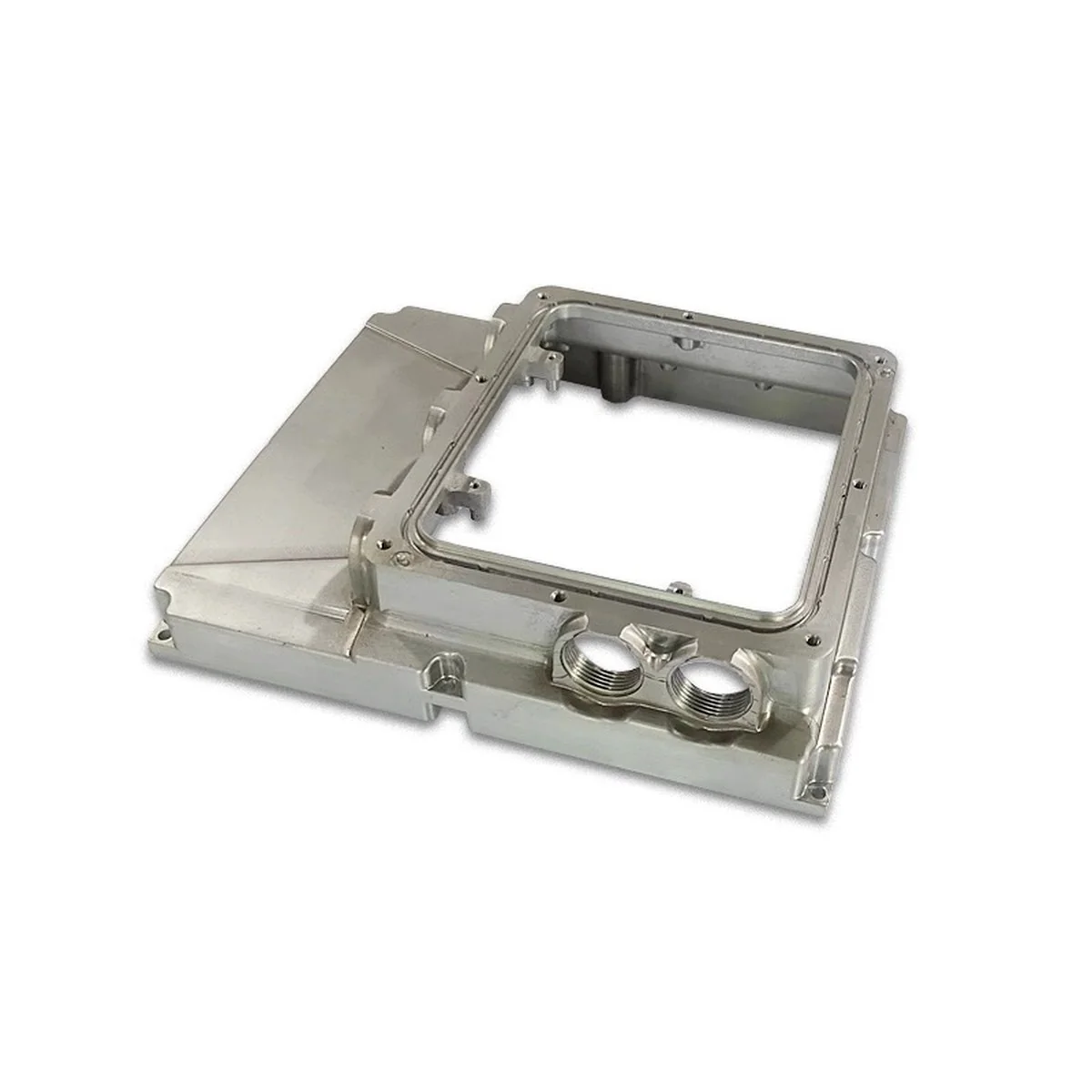
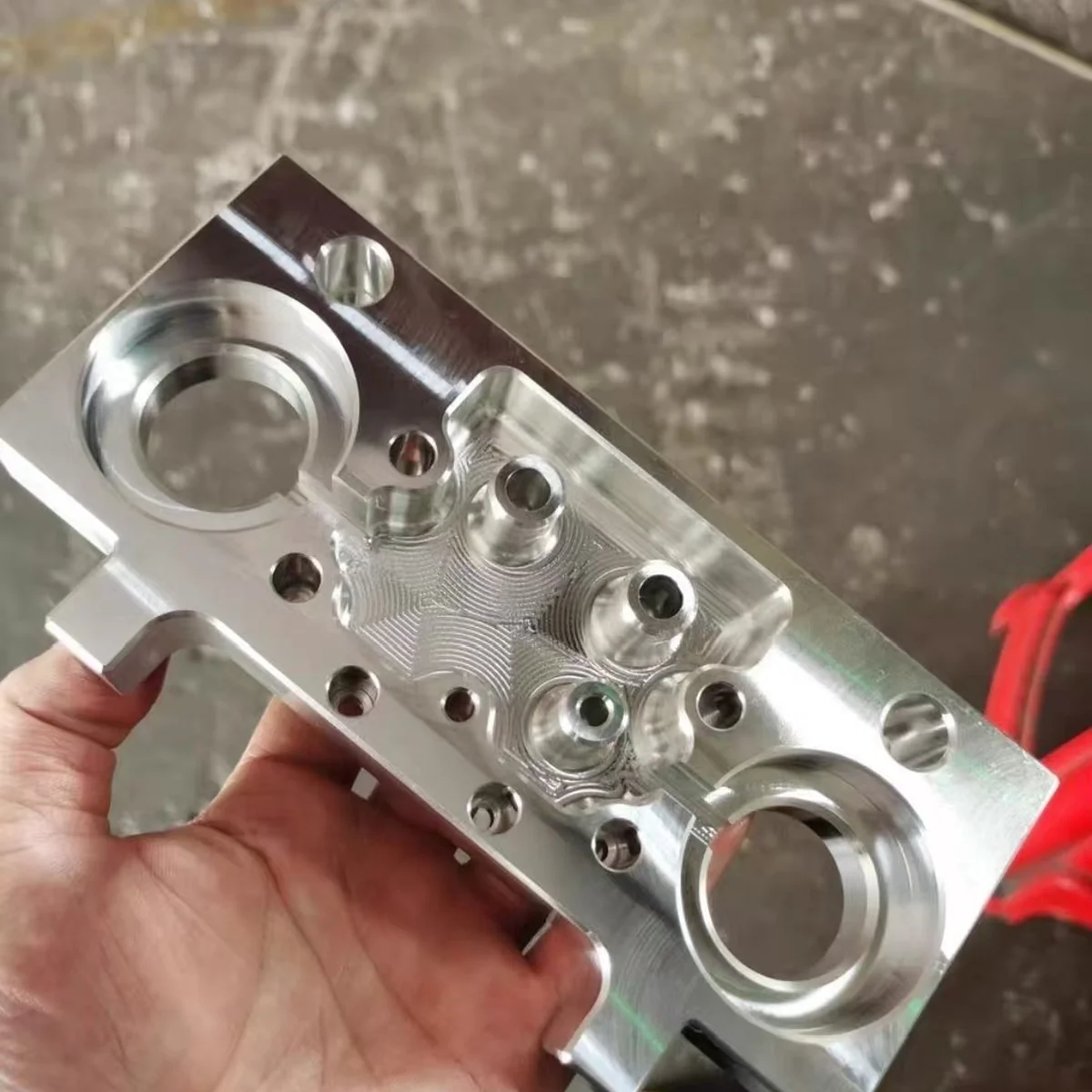
Real EKINSUN parts where the tolerance class was critical to function:
Frequently Asked Questions
Standard CNC machining tolerance is typically ±0.1mm for general parts. Precision machining can hold ±0.01mm. Ultra-precision grinding can achieve ±0.005mm. The right tolerance depends on your application tighter costs more and is only needed for precise-fit dimensions.
It means the dimension can be up to 0.1mm larger or smaller than the specified size. For a 20mm shaft with ±0.1mm tolerance, the actual diameter will be between 19.9mm and 20.1mm. For most general machining applications, this variation is imperceptible and functionally irrelevant.
For simple parts, no your supplier will apply standard tolerances to unspecified dimensions. For precision parts, yes mark critical dimensions explicitly. If in doubt, describe your application and ask your supplier to recommend appropriate tolerances before production.
Tight tolerances (±0.01mm or better) are needed when parts must fit precisely together bearings in housings, pistons in cylinders, shafts in gear hubs. For decorative parts, brackets, or non-fitting surfaces, standard tolerances (±0.1mm) are usually sufficient and cost significantly less.
Questions about tolerances for your specific part? Email our engineering team we review drawings and advise on tolerance specifications at no charge as part of our quoting process.