Castings Look Harder Than They Are
Cast parts intimidate people who need a replacement: the flowing, draft-angled shapes look impossible to reproduce, and there's never a drawing. But the original casting is the master. We capture its shape directly and rebuild it as a CAD model — then choose the best way to make a new one based on how many you need.
Two Ways to Reproduce a Casting
| Machine from billet | Re-cast from a pattern | |
|---|---|---|
| Best quantity | 1–few pieces | Batches |
| Strength | Higher — no porosity | Matches original casting |
| Appearance | Machined-solid look | True cast look |
| Upfront cost | None (no tooling) | Pattern required |
| Lead time | Days | Longer |
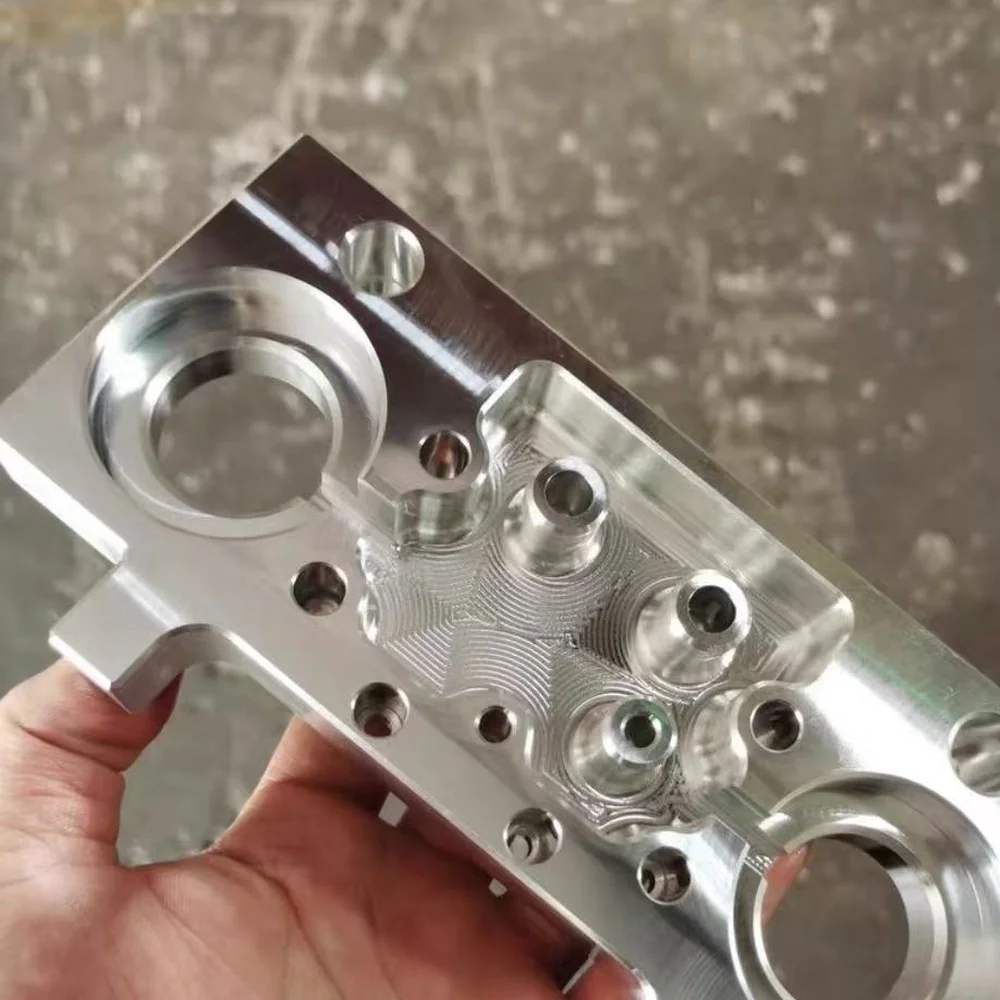
For most repair and restoration work — where one or a few parts are needed — machining from solid billet wins: no tooling cost, fast, and the wrought part is typically stronger than the casting it replaces. For ongoing batches, a re-cast from a reverse-engineered pattern is more economical and keeps the cast appearance.
Capturing the Shape
- CMM probing for the functional features — bores, faces, bolt patterns, port positions.
- 3D scanning for the organic cast surfaces, fillets and draft. See our 3D scanning service.
- Reconstruction of cracked or missing areas using symmetry and the mating parts.
We combine precise measurement of what matters dimensionally with scanning of what matters cosmetically — the result is a clean model that fits and looks right. It's the same approach described on our reverse engineering page.
Cracked or in pieces? Still fine. We rebuild the part to its intended, undamaged geometry. Send the casting or clear photos with key dimensions — no drawing needed via no-CAD ordering. Want to see the broader method? Read copying an obsolete part from a sample.
Draft, Shrinkage and the Machined Faces
Two details separate a casting that fits from one that doesn't, and we handle both:
- The machined faces are what matter. Most castings have a few precision surfaces — bores, mating faces, bolt holes — machined after casting. Those are the features we measure tightly; the rough-cast surfaces only need to look and clear correctly.
- Shrinkage and draft are built in. When we machine from billet, shrinkage is irrelevant — we cut straight to final size. When we make a pattern to re-cast, we add the correct shrinkage allowance and draft so the new castings come out on size.
This is why a billet copy is often the cleaner answer for a single repair part: it sidesteps casting variables entirely and lands exactly on the dimensions your assembly needs.
Frequently Asked Questions
Yes. We measure the casting (CMM + 3D scanning), rebuild it as CAD, then machine a billet equivalent for one-offs or make a pattern to re-cast batches. No original drawing needed.
One to a few parts: machine from billet — no tooling, faster, usually stronger. Larger batches: re-cast from a pattern for economy and the cast appearance.
Usually yes. We reconstruct damaged areas using symmetry, the mating parts and what remains, rebuilding it to undamaged geometry.
Generally stronger — wrought billet has no porosity or inclusions and more consistent properties. For most repair parts it's an upgrade.
Quote a Cast Part
Send the casting or photos + how many you need. Engineers reply within 24 hours.
No drawing needed · Files kept confidential