Why So Many Parts Are Unmarked
Internal components rarely carry a readable part number. Markings wear off, get painted over, or were never there — the number lived in a manual that's long gone. So you're left holding a part that clearly does a job, with no obvious way to order another.
The good news is that the same detective work that identifies a part is also everything needed to reproduce it. Even if you never put a name to it, you can still get a new one made.
Four Clue Types, Worked in Order
| Clue | What to look for | What it tells you |
|---|---|---|
| Markings | Stamped numbers, casting marks, logos, date codes | Possible part number or maker — search it |
| Measurements | OD, ID, length, thread, bearing/bore sizes | Often matches a standard component size |
| Function & context | Where it sat, what it touched, how it moved | Narrows it to a part family (bushing, spacer, valve…) |
| Material | Magnet test, colour, weight, finish | Steel vs stainless vs aluminium vs brass |
A standard bearing, seal, or fastener will usually surface from the measurements alone. A bespoke machined part won't — and that's the moment to stop hunting and start reproducing.
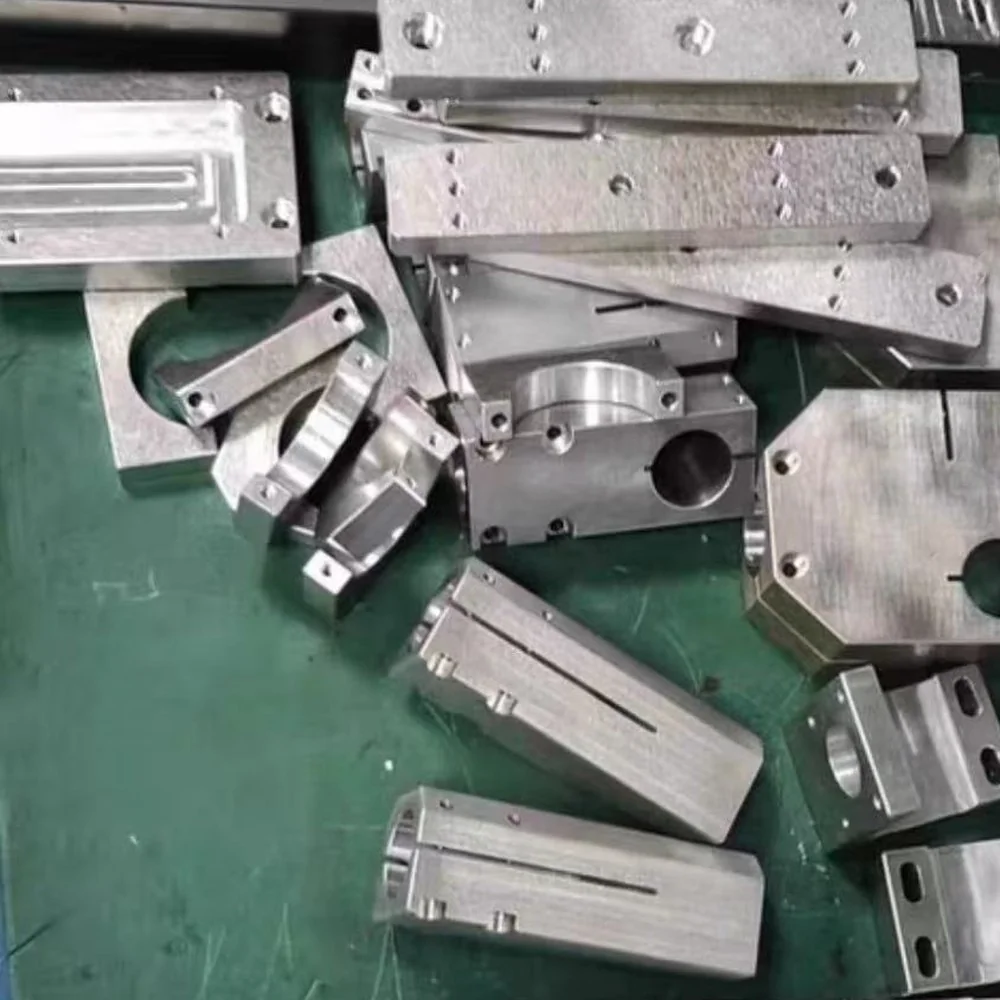
Standard Part vs Bespoke Part
- If it's a standard component (bearing, seal, off-the-shelf fastener) — your measurements should match a catalogue size; buy a current equivalent.
- If it's a custom machined part — there's no catalogue to match. Reproduction is the only route, and it doesn't need an ID.
The Shortcut: Reproduce It Without Identifying It
This is what most people don't realise: you never have to name a custom part to replace it. If you have the part (or clear photos with one reference dimension), we measure it, model it, and machine a copy. No brand, no part number, no manufacturer required. That's the heart of reverse engineering, and you can start through our no-CAD ordering route.
Spend ten minutes identifying, then move on. A quick check for markings and standard sizes is worth it. But if the part is bespoke and obsolete, hunting for an ID is wasted time — send it to us and we'll quote a copy. See how to get a part made from a photo.
Frequently Asked Questions
Work through markings, measurements, function/context, and material in that order. A standard component usually surfaces from its size; a bespoke part won't — and that's when reproduction is the answer.
You don't need to. Identification only matters for buying new. If it's discontinued, we reproduce it directly from the part — no name or number required.
Sometimes for common standard parts. More importantly, we can reproduce it whether or not it's identified — send photos with one reference dimension for a quote.
A magnet separates steel from stainless, aluminium and brass; weight and colour narrow it further; a hardness or spark test confirms steel grades. For a replacement we recommend a suitable material by function — you needn't pin down the exact original alloy.
Send Us the Mystery Part
Can't ID it? We can still copy it. Photos + one dimension is enough to start. Reply in 24h.
No ID needed · Files kept confidential