Short answer: If you have the old part — even cracked or faded — it can be copied 1:1 with vacuum casting. Your part becomes the master for a silicone mold, and tough polyurethane copies are cast from it. No steel tooling, no CAD file, no minimum of thousands. A few to a few dozen pieces, ready in about a week.
Why discontinued car trim is so hard to buy
Plastic interior and exterior trim — bezels, vents, switch surrounds, badge holders, clips, knobs and small housings — is made by injection molding. The steel mold behind each part is expensive, so once a model is out of production the tooling is scrapped or shelved and the part is declared obsolete. After that, your only options are a dwindling supply of used parts on auction sites — usually as cracked and brittle as yours.
Cutting a fresh injection mold to make one trim piece makes no economic sense: a production steel mold runs into the tens of thousands and takes weeks. That's exactly the gap vacuum casting fills.
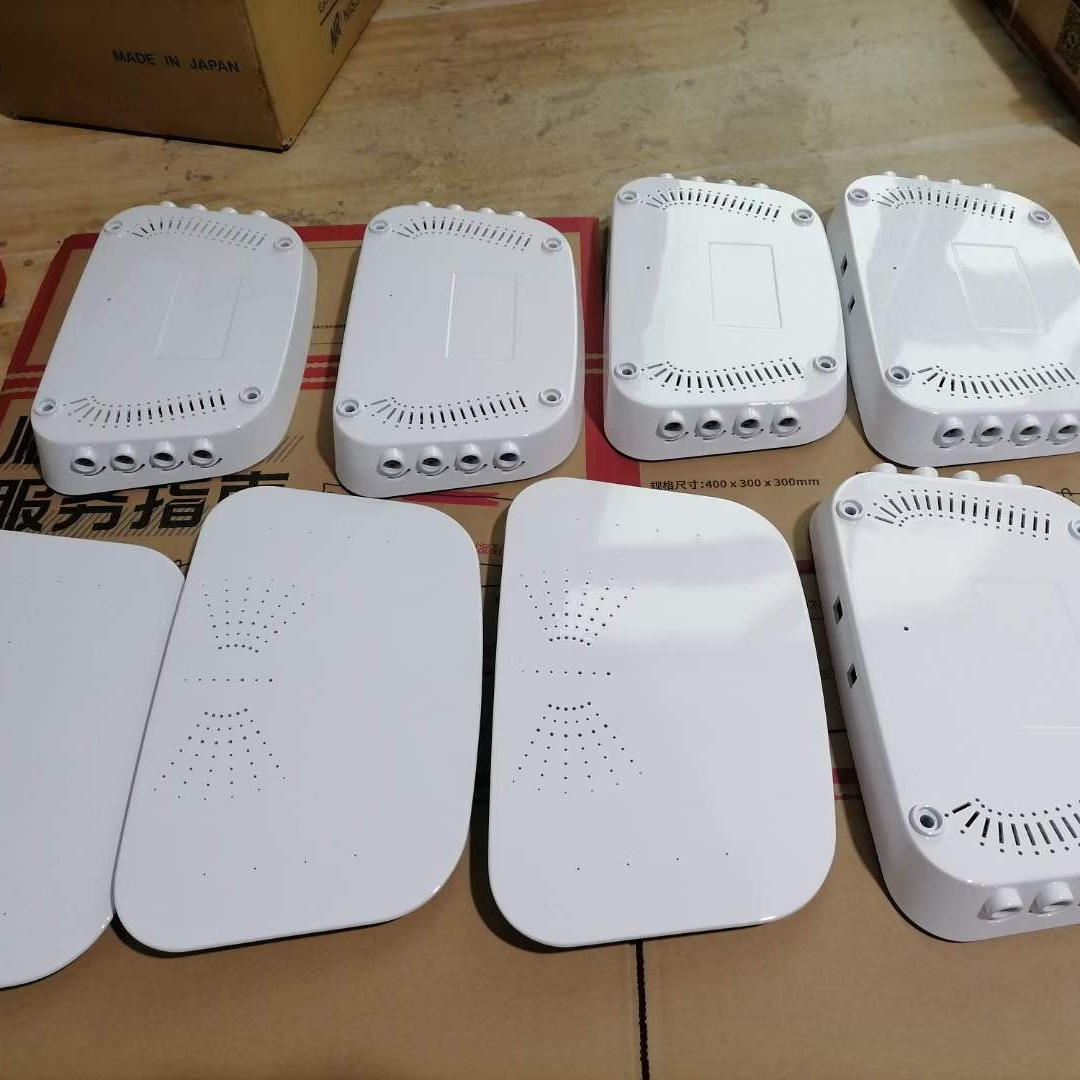 A small batch cast from a single silicone mold — the same route used for discontinued trim and housings. See how vacuum casting works →
The route: from your old part to a small batch of copies
- Send the old part. The cracked, faded or warped original is all that's needed — it becomes the master.
- Master prep (or reverse engineering). Minor cracks and damage are repaired on the master. If the part is badly warped, it's reverse engineered first — measured and rebuilt to its intended shape.
- Silicone mold. A flexible RTV silicone mold is cast around the master, capturing every detail and surface grain.
- Cast the copies. Polyurethane resin — chosen to match the original's stiffness and feel — is vacuum cast into the mold.
- Finish to match. Parts are trimmed, color-matched or painted, and textured so they blend into the car.
Modified-car batches: tuners and restomod builders often need the same custom or discontinued piece several dozen times — one per build. Vacuum casting is built for exactly this: low tooling cost, identical parts, fast turnaround. See a real run in our modified-car trim case study →
Will it match the original?
Two things matter to drivers: how it looks and how it holds up.
- Material feel. Casting resins simulate ABS, PC, nylon and PP, so the part is rigid and tough like factory trim — not a soft, rubbery copy (unless you want a soft-touch or rubber grade, which is also available).
- Finish. Surfaces can be color-matched in the resin or painted, and the silicone mold reproduces the original grain/texture, so a cast bezel doesn't look out of place next to untouched trim.
- Fit. Because the mold is taken from your actual part, clip locations, screw bosses and mating edges come out in the right place — it drops into the same opening.
When vacuum casting is — and isn't — the right call
Great fit: a handful to ~50 plastic pieces; discontinued or custom trim; a master you can supply; you need them in days, not months.
Not the right tool: a single tiny clip might be cheaper to CNC machine; thousands of identical parts will eventually be cheaper to injection mold. For the in-between — the situation most car owners are actually in — vacuum casting wins on cost and speed.
Have a discontinued plastic part? Send a photo of the part (or the part itself) with the quantity you need to [email protected] or on WhatsApp. We'll tell you whether vacuum casting, CNC or molding is the best route and quote it within 24 hours. Learn more about our vacuum casting service.
Frequently Asked Questions
Yes. If you have the old part — even cracked, faded or warped — it's used as the master to build a silicone mold, and exact copies are cast in tough polyurethane resin. No original tooling, drawing or CAD file is needed. This is how discontinued trim, bezels, vents, knobs and housings get reproduced.
A steel injection mold for a trim piece can cost tens of thousands and take weeks to cut — it only pays off at thousands of parts. Most owners need a handful to a few dozen, so vacuum casting's low-cost silicone mold is far cheaper and ready in about a week.
A silicone mold yields about 15–25 parts and is ready in roughly 3 days, with first cast parts in about 5–7 days. For a few dozen identical pieces — a common modified-car run — multiple molds run in parallel.
Yes. Casting resins simulate ABS, PC, nylon and PP, so parts are rigid and tough like factory trim. Surfaces can be color-matched, textured to match the grain, and painted, so the replacement blends in.
It can still work. Minor damage is repaired on the master before molding; a badly distorted part is reverse engineered — rebuilt to its intended shape — then cast. Sending more than one worn part helps reconstruct the correct geometry.