The Problem
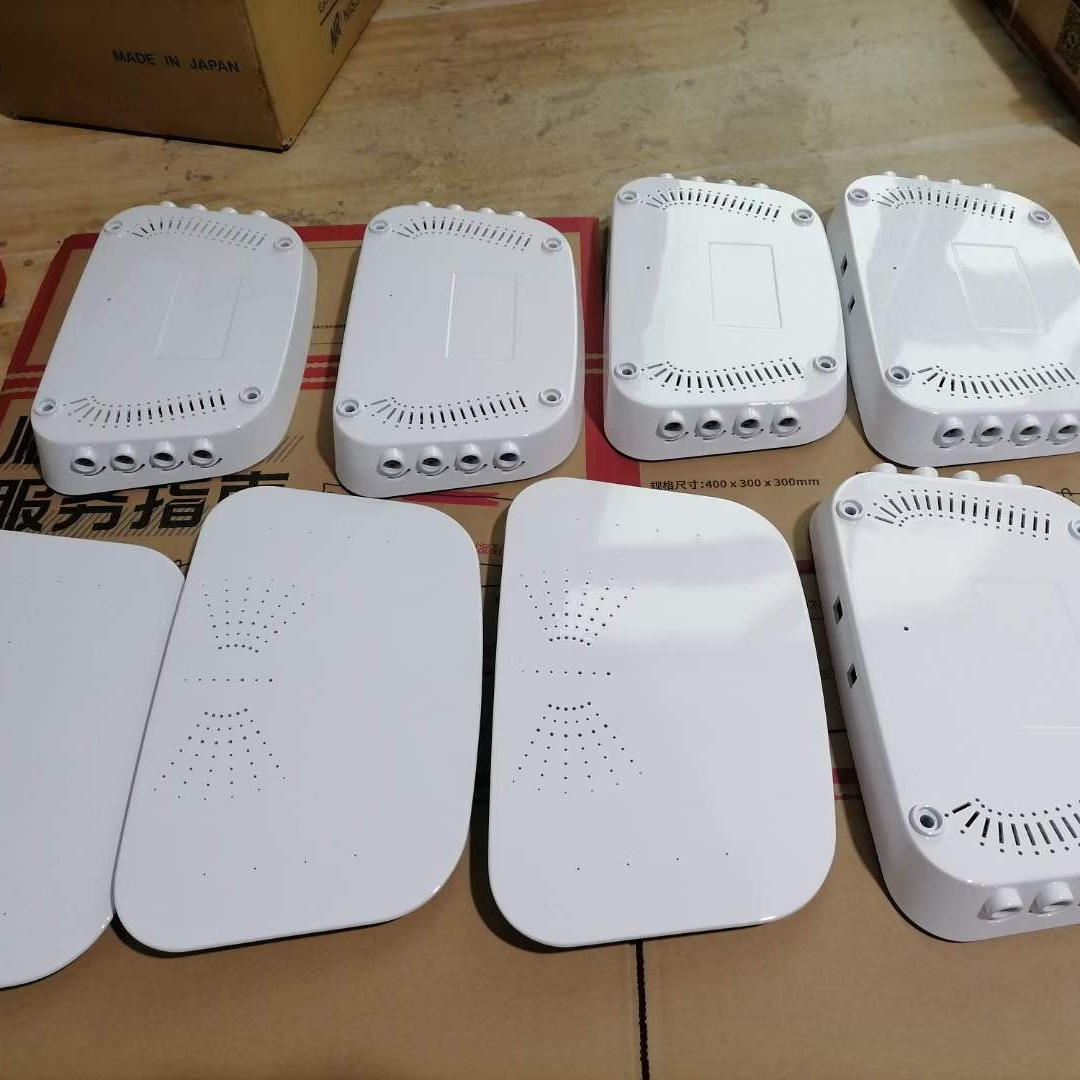
A specialist car builder was producing a small run of modified vehicles and needed a custom plastic housing — one for each car, a few dozen in total. The part didn't exist off the shelf: it was specific to their build.
The obvious route, injection molding, didn't add up. A steel mold for the housing would have cost tens of thousands of dollars and weeks of lead time — only worth it at thousands of parts. At a few dozen pieces, the tooling alone would have dwarfed the value of the whole job. CNC machining each one from solid plastic was possible but slow and pricey per part for this geometry.
The real requirement: a few dozen identical, good-looking, durable plastic parts — fast, and without paying for production tooling that only pays back at volume.
Why Vacuum Casting Fit
This is the exact gap vacuum casting is built for. Instead of cutting steel, we build a flexible silicone mold around one master part, then cast tough polyurethane copies from it. The tooling is cheap, it's ready in days, and each mold yields a batch of parts — so a run of a few dozen is both affordable and quick.
- Tooling cost: a fraction of a steel injection mold
- Material: an ABS-like polyurethane — rigid and tough, like factory trim
- Finish: color-matched so the parts look consistent across every car
- Quantity: multiple silicone molds run in parallel to cover the full batch on schedule
How We Ran It
1 — Master from the supplied part
The builder supplied a master housing. (Where a customer only has a 3D file, we 3D print the master instead; where they only have a worn original, we reverse engineer it first.) The master was prepped and surface-finished so every cast copy would inherit a clean surface.
2 — Silicone molds
RTV silicone was cast around the master and vacuum degassed so no air was trapped, then cured and cut open along a parting line. Because each silicone mold yields roughly 15–25 parts, we prepared enough molds to deliver the full run without quality drop-off on the later parts.
3 — Vacuum cast & color-match
ABS-like polyurethane resin was cast into each mold under vacuum and cured. The resin was tinted to the target color so the parts matched out of the mold, with finishing as needed.
4 — Trim, QC & ship
Every part was de-gated, trimmed and checked for fit and finish against the master before the batch shipped — a consistent set, ready to install one per car.
The Timeline
Master & quantity confirmed
Builder supplied the master housing and the batch quantity; resin and color agreed.
Silicone molds ready
Molds cast around the master, vacuum degassed, cured and cut open.
First parts cast
ABS-like PU cast under vacuum and color-matched; first pieces checked against the master.
Full batch delivered
Whole run trimmed, QC'd and shipped — one housing per car, no steel tooling cut.
Outcome
A few dozen identical, durable, color-matched plastic housings — delivered in about a week, for a tiny fraction of what an injection mold would have cost. The builder got production-quality parts at a quantity that production tooling could never justify. That's the whole point of vacuum casting: low tooling cost, real plastic parts, small batches, fast.
If the next run grows into the thousands, the same master can move to injection molding — but until then, casting keeps the project moving without locking up cash in steel.
Need a small run of custom or discontinued plastic parts? Send a photo of the part (or your 3D file) and the quantity to [email protected] or on WhatsApp. We'll quote a vacuum casting run within 24 hours.