When You Need EDM, Not Milling
Electrical Discharge Machining (EDM) removes metal with a series of controlled electrical sparks instead of a cutting tool. Because nothing physically touches the workpiece, there's no cutting force and almost no heat-affected distortion — so EDM does the jobs a mill or lathe physically can't: cutting fully hardened tool steel and tungsten carbide, forming razor-sharp internal corners, and machining thin or delicate features that would deflect or burr under a cutter.
That makes it the backbone process for tool-and-die work, precision fixtures and intricate components. For us it also pairs naturally with what EKINSUN already does: when a hardened die insert or a no-longer-available punch fails, we reverse-engineer it and re-cut it by EDM — no drawing, no OEM, MOQ 1.
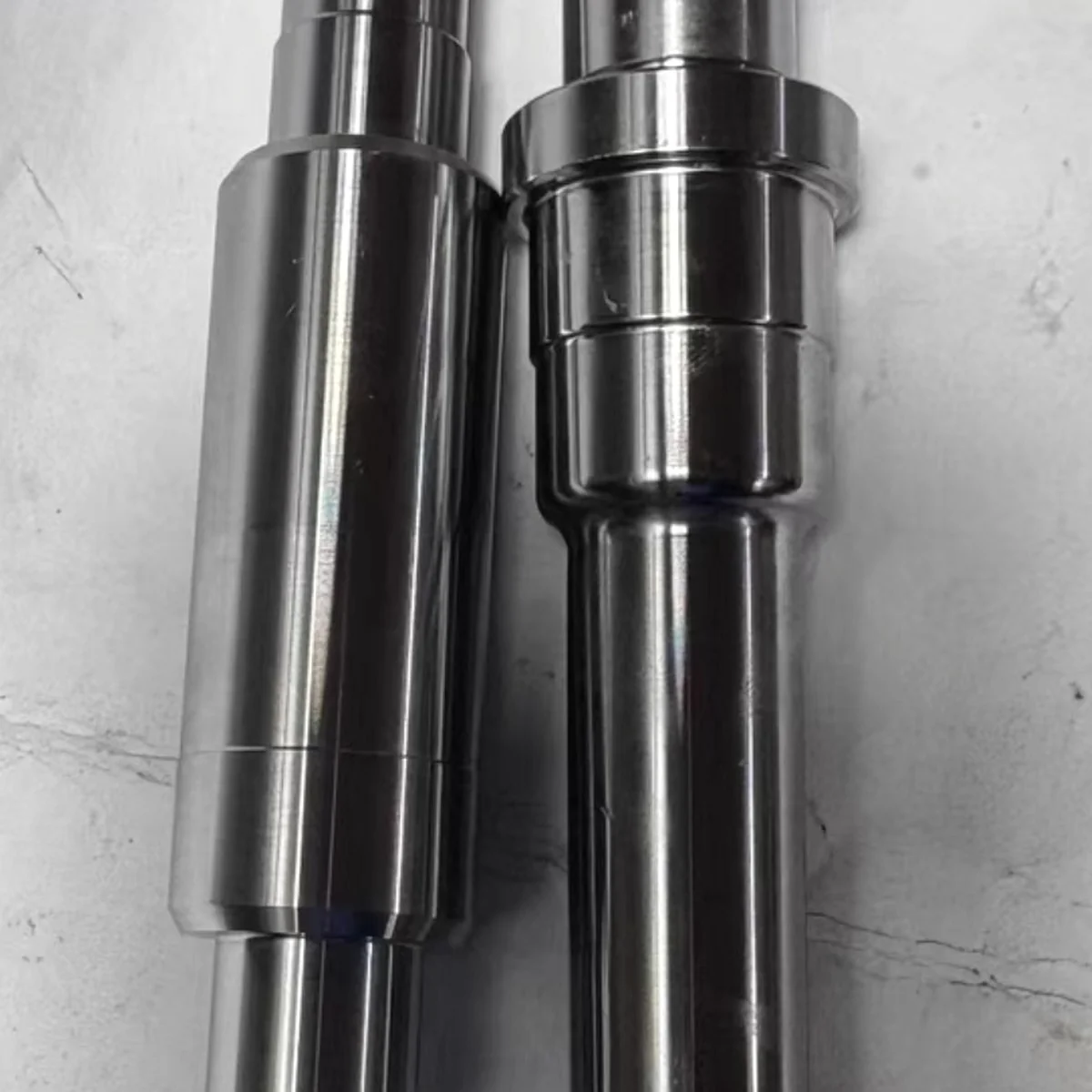
Wire EDM vs Sinker EDM — Which You Need
The two processes solve different problems, and many die jobs use both. Send us the part and we'll tell you which applies — or use this guide:
| Wire EDM | Sinker (Die-Sink) EDM | |
|---|---|---|
| How it cuts | Travelling brass wire cuts a profile all the way through | Shaped electrode burns down into a blind cavity |
| Tooling | Wire Ø0.1–0.25mm (no custom tool) | Copper or graphite electrode, machined to shape |
| Best for | Punches, die profiles, thin slots, intricate 2D contours | Mould cavities, deep ribs, sharp internal corners, blind keyways |
| Internal corner | Radius ≈ wire radius (~0.05–0.1mm) | True sharp corner (electrode form) |
| Geometry | 2D / tapered through-cuts (up to ±30°) | Full 3D blind shapes |
| Material state | Both cut fully hardened steel & carbide — no soft-machine / harden / distort cycle | |
Technical Specifications
| Parameter | Capability |
|---|---|
| Positional Tolerance | ±0.002mm (wire EDM) |
| Surface Finish | Ra 0.4–0.6μm (3-pass), down to Ra 0.2μm (skim cuts) |
| Wire Diameter | Ø0.1–0.25mm (brass / coated) |
| Min Internal Radius | ~0.05mm |
| Max Cut Thickness (wire) | up to ~300mm |
| Taper Cutting | up to ±30° |
| Workpiece Hardness | Any conductive material — to 65+ HRC, incl. carbide |
| Minimum Order | 1 piece |
| Standard Lead Time | 5–12 business days |
| Quality Standard | ISO 9001:2015 |
EDM only cuts conductive materials. If a part is plastic, ceramic or another non-conductor, EDM can't machine it — we'll quote it on CNC milling or turning instead, and tell you which process suits the part before you commit.
Materials We EDM
- Tool & die steel: D2, A2, S7, H13, O1, SKD11, M2 HSS — cut at full hardness (58–62 HRC)
- Carbide: tungsten carbide punches, dies and inserts
- Stainless steel: 304, 316L, 17-4PH, 420
- Carbon & alloy steel: 4140, 4340, 1045
- Titanium: Grade 5 (Ti-6Al-4V)
- Nickel superalloys: Inconel 625 / 718, Hastelloy
- Copper, brass & graphite: including copper and graphite EDM electrodes
What We Make by EDM
The component families buyers come to us for most. If your part fits one of these, send a drawing, sample or photos and we'll quote in 24 hours:
Stamping Dies & Punches
D2 · SKD11 · H13 · Carbide
Punch-to-die clearance to ±0.003mm · die plates, punches, buttons, inserts · progressive & single-station
Used in: metal stamping · blanking & piercing dies · progressive die sets · forming tools
A die insert cracked and the toolmaker who built it is gone? Send the broken insert — we reverse-engineer it and re-cut it in hardened D2 or carbide, with clearance held to your stock thickness.
Reverse engineer a die part →Precision Jigs & Fixtures
A2 · 420 SS · 17-4PH · 4140
Locating details, gauge slots, hardened bushplates · internal corners sharper than a mill can cut
Used in: assembly fixtures · checking gauges · CMM & weld jigs · automation tooling
Fixture needs hardened locating slots with true sharp corners no end mill can reach? Wire EDM cuts them after heat-treat, so the fixture stays dead-on dimension.
Custom fixtures →Medical Precision Parts
316L · 17-4PH · Ti-6Al-4V · Nitinol
Intricate small features, no burr, no cutting force · biocompatible alloys
Used in: surgical instrument details · device components · jaws, slots, fine profiles
Tiny stainless or titanium feature that distorts or burrs under a cutter? EDM's no-contact erosion leaves a clean, burr-free edge on delicate medical geometry.
Medical parts →EDM Electrodes
Copper C11000 · Graphite
Electrodes machined to exact geometry for sinker work · single or matched sets
Used in: your own sinker EDM · mould-cavity burning · rib & detail electrodes
Need copper or graphite electrodes cut to a precise profile for your own die-sink machine? We machine matched electrode sets to your cavity geometry.
Copper electrodes →Hardened & Heat-Treated Features
4140 · 52100 · D2 · SKD11
Keyways, splines and slots cut into already-hardened parts · no re-hardening distortion
Used in: hardened shafts · gears · cam profiles · wear plates
Part is already heat-treated and now needs a keyway or slot? Cutting it conventionally risks chipping and distortion — EDM cuts the hardened part cleanly.
4140 & alloy steel →Mould Cavities & Ribs
P20 · H13 · 420 SS
Sinker EDM blind cavities, deep ribs, sharp internal corners, fine text/logos
Used in: injection-mould tooling details · cavity inserts · ejector-pin features
Mould cavity has deep ribs or sharp corners a cutter can't reach? Sinker EDM burns the exact 3D form, including features with no draft angle.
Tooling & OEM →Who Orders EDM Work From Us — and Why
Most people who reach us about EDM have already hit a wall with conventional machining — steel too hard to mill, a corner too sharp for any cutter, or a toolmaker who built the original and has long since closed. Here is who they tend to be, in their own words.
"A die insert cracked mid-run and there's no drawing left — I need it re-cut in hardened D2, and quickly"
Send the broken insert. We measure it, recover the shape it was meant to have rather than the worn one, and wire-cut a fresh insert in fully hardened D2 or carbide — clearance matched to your stock thickness. The CAD stays on file, so the next spare is one email, not another teardown.
"My locating details want true sharp inside corners, and every end mill leaves a radius I can't live with"
That corner is where wire EDM earns its keep — inside radii down to about 0.05mm, cut after the part is hardened so nothing shifts on you. We rough the body on a mill and leave only the critical detail for EDM, then ship it as one finished part.
"These 316L and titanium parts are tiny — they burr or bend the moment a cutter touches them"
Nothing touches the work, so there's no cutting force and no burr to chase afterwards. That is what makes EDM suit fine biocompatible parts. Work from a drawing or a sample either way; we hold the small features tight and send certs for 316L, 17-4PH or Ti-6Al-4V.
"A hardened wear part on an old press is shot, nobody sells it anymore, and I only need one"
One is exactly our floor. Hand us the worn part; we rebuild its shape and re-cut it by EDM in the right hardened steel or carbide, with no OEM number or drawing in sight. It is the same route we run for any obsolete part still holding a machine together. Obsolete part reproduction →
Search Terms — If You Found Us This Way, We Can Quote It
Common searches that bring buyers to EKINSUN for EDM work:
Workshop & Quality Inspection
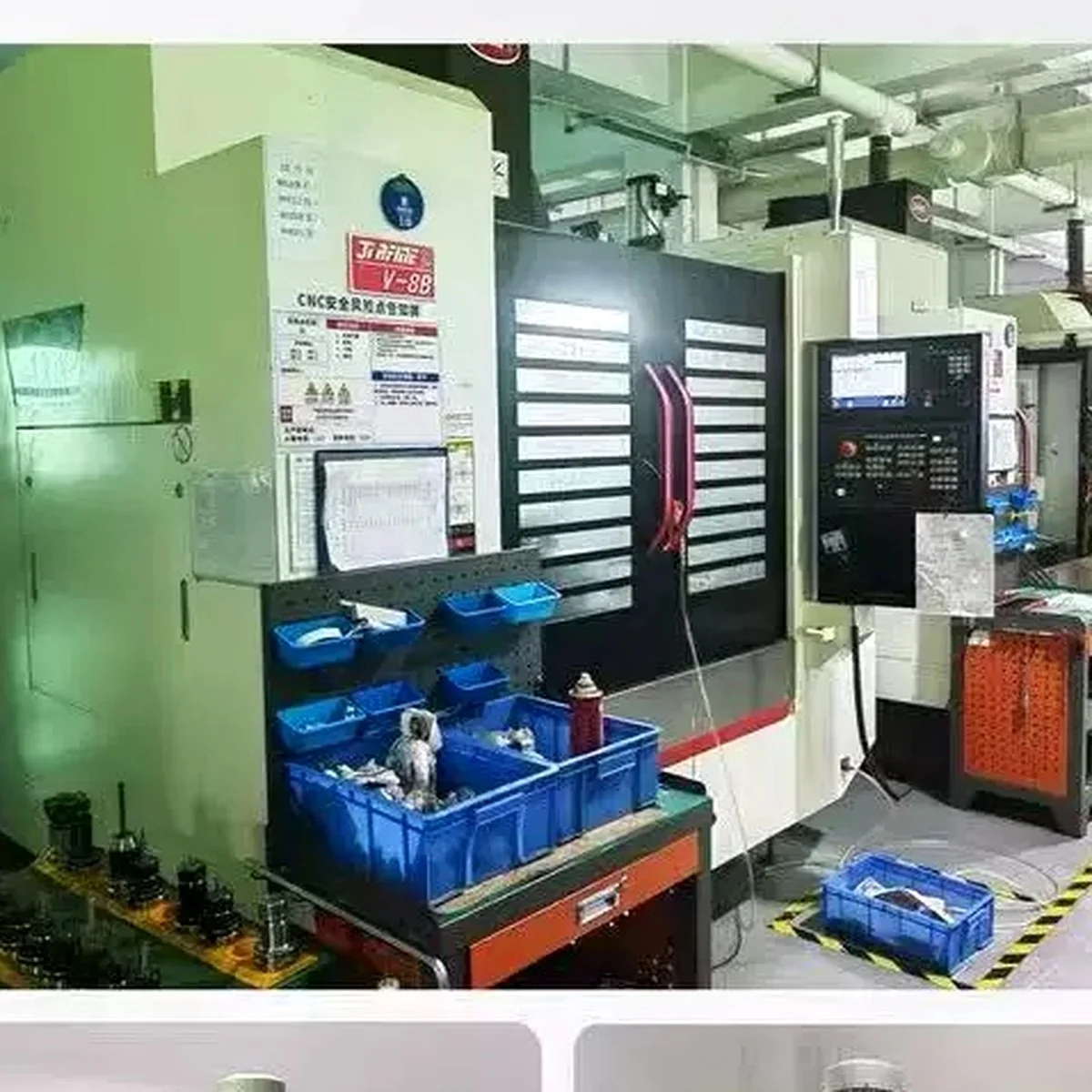
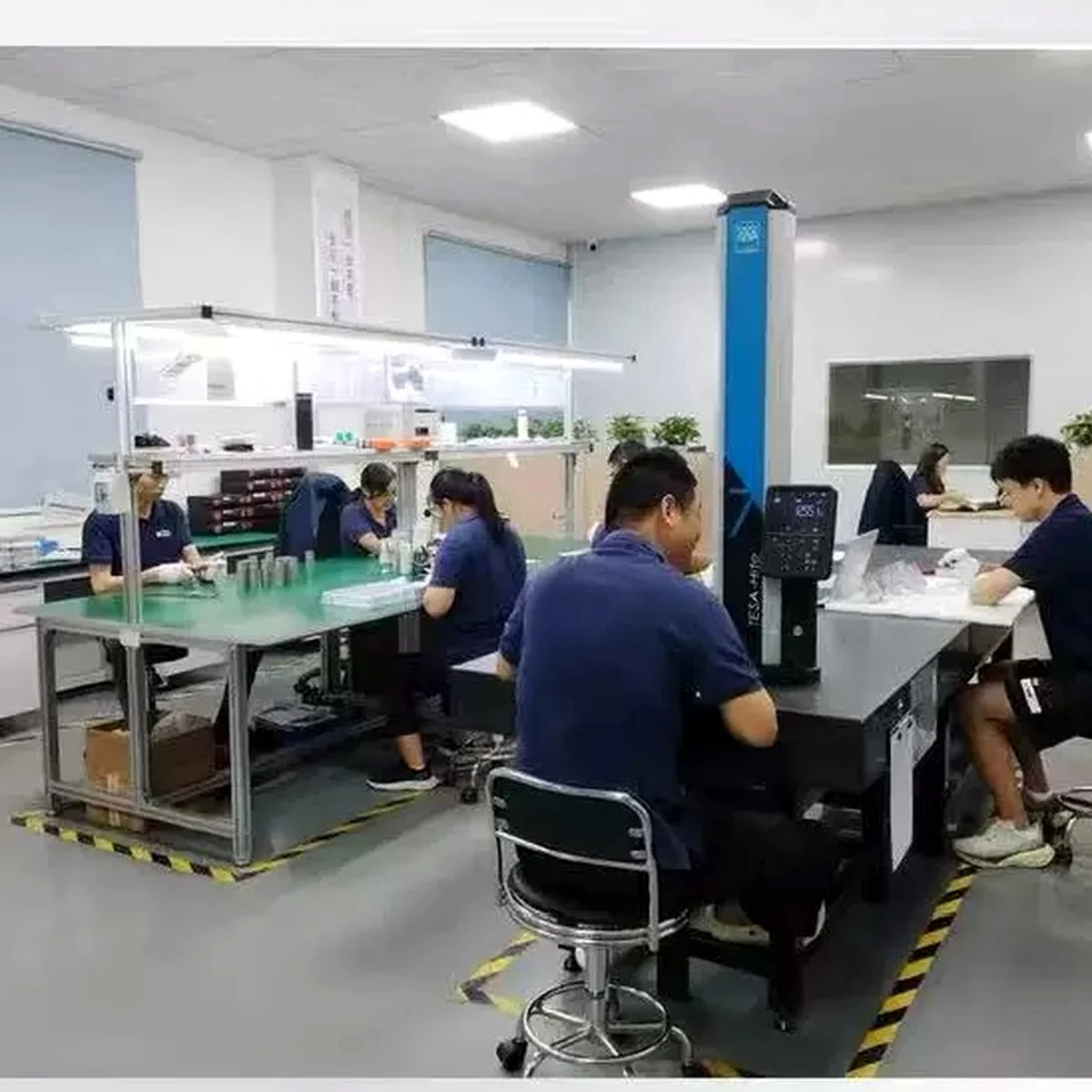
EDM features are verified the same way as the rest of our work — calibrated micrometers, pin gauges, optical comparators and CMM. Critical die clearances and corner radii are reported on a dimensional inspection report, available on request and included as standard on tooling and medical orders.
Frequently Asked Questions
Wire EDM uses a fine travelling brass wire (Ø0.1–0.25mm) to cut a 2D profile all the way through a plate — ideal for punches, die profiles, thin slots and intricate contours. Sinker EDM (die-sink) burns a shaped copper or graphite electrode down into the work to form 3D blind cavities, deep ribs and sharp internal corners. Many die jobs use both: wire for the profile, sinker for the cavities and corners.
Yes — that's EDM's main advantage. The spark erodes material with no cutting force and minimal heat penetration, so we machine fully hardened D2, H13, SKD11 and A2 at 58–62 HRC and tungsten carbide in their final state. There's no soft-machine-then-harden-then-distort cycle, so punch-to-die clearance and profile accuracy stay exact.
We hold positional tolerances to ±0.002mm on wire EDM. Surface finish is Ra 0.4–0.6µm in a standard 3-pass sequence and down to Ra 0.2–0.3µm with skim passes — often fine enough to skip polishing. Internal corner radii follow the wire (~0.05–0.1mm), far sharper than an end mill can reach.
Any electrically conductive material, regardless of hardness: tool steels (D2, A2, S7, H13, O1, SKD11, M2), stainless (304, 316L, 17-4PH, 420), tungsten carbide, alloy and carbon steel (4140, 4340, 1045), titanium, copper, brass and nickel superalloys. EDM can't machine non-conductive plastics or ceramics — for those we use CNC machining instead.
Yes. Send the worn or broken insert. We measure it, reverse-engineer the geometry to design intent (not the worn state), and re-cut it by wire or sinker EDM in the correct hardened tool steel — with the option to upgrade the material if the original failed early. MOQ 1, and we keep the CAD so future spares are a quick reorder. See broken part reproduction and reverse engineering.
We manufacture the components: die plates, punches, die buttons and inserts; precision jig and fixture details; and small intricate medical or instrument parts. We work from your drawing, sample or photos, combine wire/sinker EDM with CNC milling and grinding as the part needs, and supply material certificates on request. MOQ 1 piece, tiered pricing on batches.
A drawing, sample or clear photos with one known dimension; the material and hardness (or what the part does, so we can advise); the critical tolerance (e.g. punch-die clearance or corner radius); and quantity. For a broken part, the worn original is enough — no OEM drawing or part number needed. Email [email protected] or use the form.
Get an EDM Quote
Drawing, sample or photos — any format. Quote in 24 hours.
// Qty & price
1 pc
Sample price
Confirm fit before a run
3–10
Unit price drops
Setup cost shared
10+
Best price
All tiers quoted upfront
- →No distributor — you pay the maker directly
- →CAD saved after first order — reorder spares anytime
Or email: [email protected]