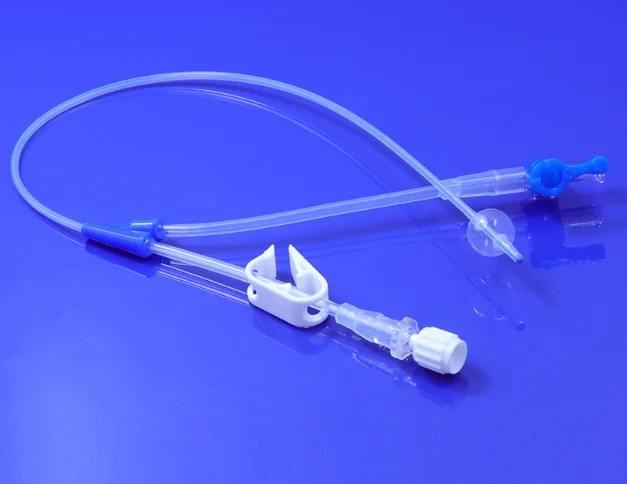
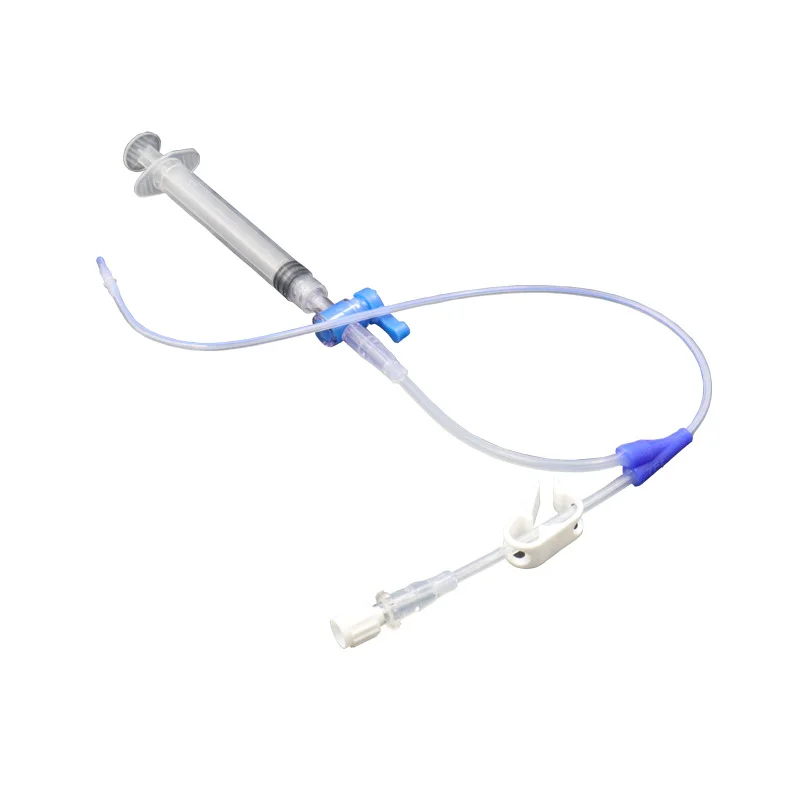
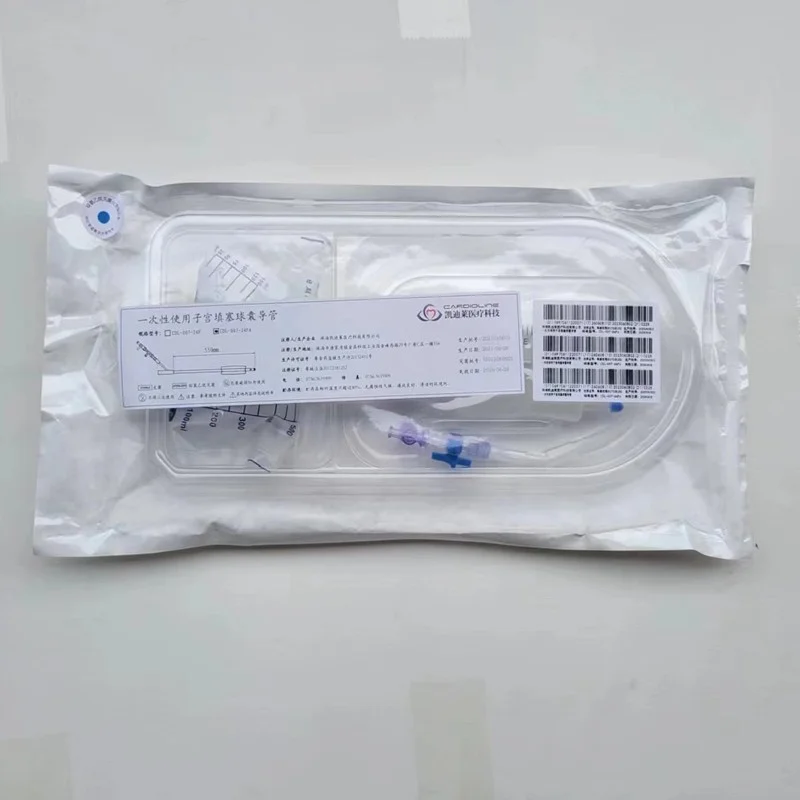
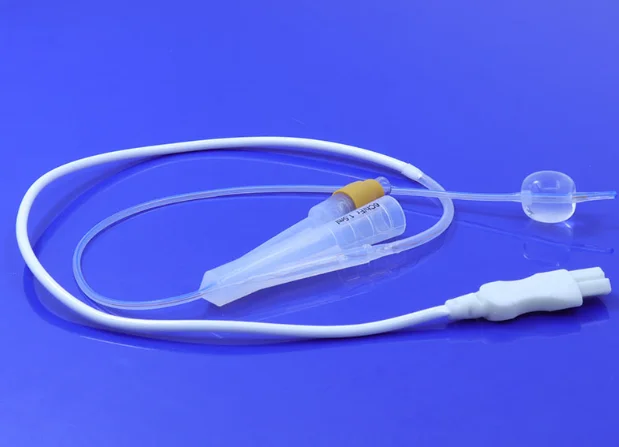
Complete sealed sterile kit: catheter + extension tube + silicone connector + Luer fitting. No assembly required at point of use.
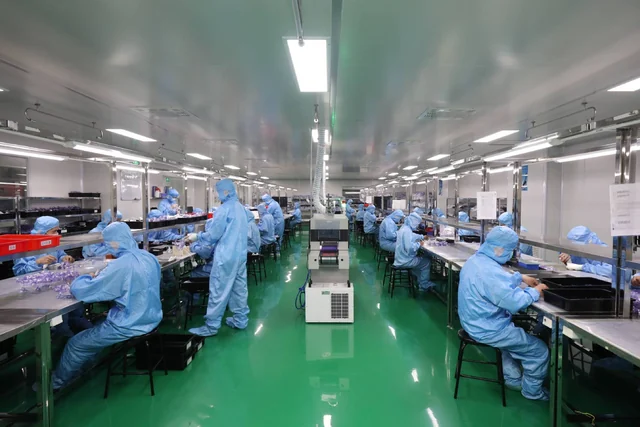
EKINSUN manufactures disposable HSG catheter kits for gynecology departments, fertility clinics, and radiology distributors worldwide. The balloon-tip design creates a reliable cervical seal without requiring a tenaculum clamp, reducing patient discomfort and procedure time. Each kit is complete and EO sterile — ready to use immediately from the pack.
| Catheter sizes | 5Fr (standard) / 7Fr (high-flow) |
| Tip design | Balloon-tip (self-sealing) / Acorn-tip (non-balloon) |
| Balloon volume | 1.5ml to 3ml inflation (sterile saline) |
| Balloon material | Medical-grade silicone |
| Shaft material | Medical PVC |
| Extension tube | 100cm or 150cm PVC braided |
| Connector | ISO 594 Luer-lock polycarbonate hub |
| Kit contents | Catheter + extension tube + silicone segment + Luer fitting |
| Latex content | None - fully latex-free |
| Sterilization | EO sterile - SAL 10e-6 - single-use |
| Shelf life | 3 years from sterilization date |
| Certification | CE - ISO 13485 |
| Stock lead time | 7 to 10 business days |
| Custom lead time | 21 to 30 days (OEM branding) |
GET PRICING - FREE SAMPLES - OEM QUOTE
Request OEM Quote WhatsApp - Reply Within HoursFREE SAMPLES FOR DISTRIBUTORS - NDA ON REQUEST - CE DOCS SUPPLIED
The HSG Procedure — Clinical Context for Procurement Teams
Hysterosalpingography is performed in hospital radiology departments, gynecology outpatient units, and fertility clinics. The patient lies supine on a fluoroscopy table; the catheter is introduced through the vagina and cervix into the uterine cavity under direct or fluoroscopic guidance. Water-soluble iodinated contrast is then injected while fluoroscopic images capture uterine cavity shape and fallopian tube filling and spillage.
The procedure is used to diagnose: fallopian tube occlusion (a major cause of female infertility), uterine cavity abnormalities (fibroids, polyps, adhesions, congenital anomalies), and post-surgical tubal patency. It is also the first imaging step in most infertility workups before considering laparoscopy or IVF, making it one of the most frequently performed gynecological imaging procedures globally.
Procurement decision-makers are typically gynecology department heads, radiology procurement managers, or fertility clinic directors. Volume ranges from a few dozen kits per month for small clinics to several hundred per month for high-volume fertility centers. Continuity of supply and consistent catheter quality (balloon seal reliability, tip atraumatism) are the primary purchasing criteria alongside price.
Balloon-Tip vs Acorn-Tip — Full Comparison
| Feature | Balloon-Tip (Recommended) | Acorn-Tip (Traditional) |
|---|---|---|
| Cervical seal mechanism | Balloon inflation in cervical canal | Manual tenaculum counter-traction |
| Tenaculum required | No — significant comfort benefit | Yes — adds pain and procedural step |
| Patient comfort | Superior | More discomfort |
| Contrast leakage risk | Very low — reliable seal | Moderate — depends on technique |
| Procedure time | Shorter setup | Longer — tenaculum placement needed |
| Learning curve | Easier for junior operators | Requires more experience |
| Cost | Slightly higher per kit | Lower per catheter |
| Best for | Modern gynecology and fertility clinics | Traditional radiology settings |
Kit Components in Detail
1. HSG Catheter with Balloon Tip
The 5Fr medical PVC shaft is flexible enough for atraumatic transcervical passage while maintaining sufficient column strength for directional control. The balloon is mounted near the tip and inflated via a dedicated inflation port on the catheter hub. The soft silicone balloon conforms to the cervical canal shape on inflation, providing a reliable seal across a range of cervical os diameters without the rigidity risk of a rigid tip design. The catheter tip is rounded and atraumatic to minimize mucosal trauma during insertion.
2. Extension Tube (100cm or 150cm)
The PVC braided extension tube connects the catheter hub to the contrast syringe. Its primary purpose is to allow the physician and assistant to stand clear of the fluoroscopy X-ray field during contrast injection, reducing cumulative radiation exposure. The 100cm length is standard for most procedure room configurations; 150cm is available for rooms where the fluoroscopy table-to-operator distance is greater.
3. Silicone Connecting Segment
A short flexible silicone segment between the catheter hub and the extension tube provides kink-resistance at the hub junction — the most common point of kinking during catheter manipulation. The silicone material is chemically inert and compatible with all standard iodinated contrast media.
4. Luer-Lock Fitting
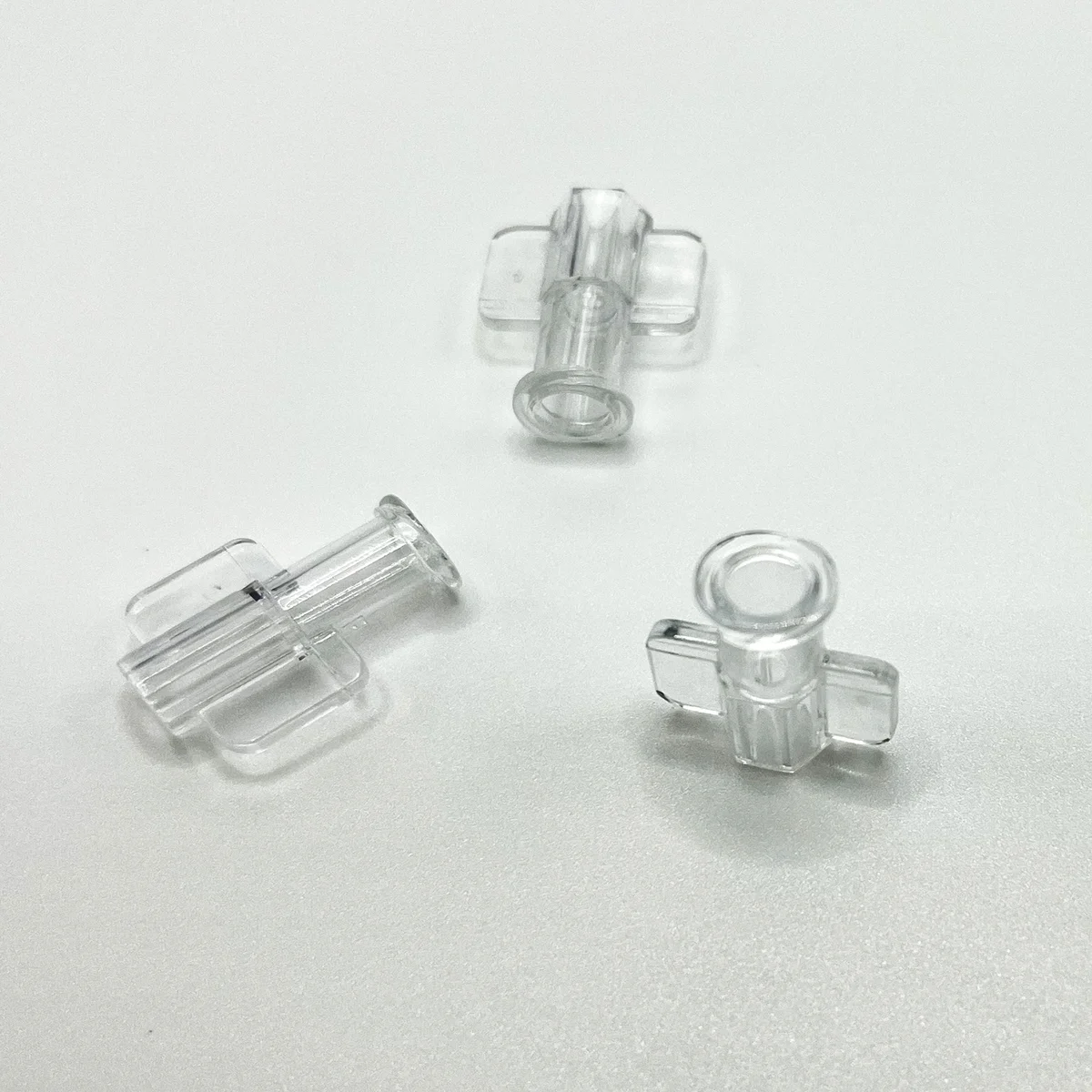
ISO 594-compliant Luer-lock hub provides a secure, leak-free connection to the contrast syringe. Compatible with all standard 10ml and 20ml Luer-lock syringes used for HSG contrast injection. See our Luer connector fittings page for related components.
Custom & OEM HSG Catheters and Extension Sets — Built to Your Spec
We manufacture hysterosalpingography catheters and extension sets to your specification — balloon-tip or acorn-tip, French size, balloon volume, shaft length, and the extension and stopcock layout your imaging protocol uses. Kit bundles packaged sterile under your own brand are standard, and configurations no general distributor stocks are exactly what we build.
A drawing is not required to quote — send a sample HSG set or a written brief of the tip type and sizes, and we reconstruct it, recommend materials and price tooling plus per-unit cost, low-volume launch runs included. See our OEM medical molding service.
Related Gynecology and Contrast Imaging Products
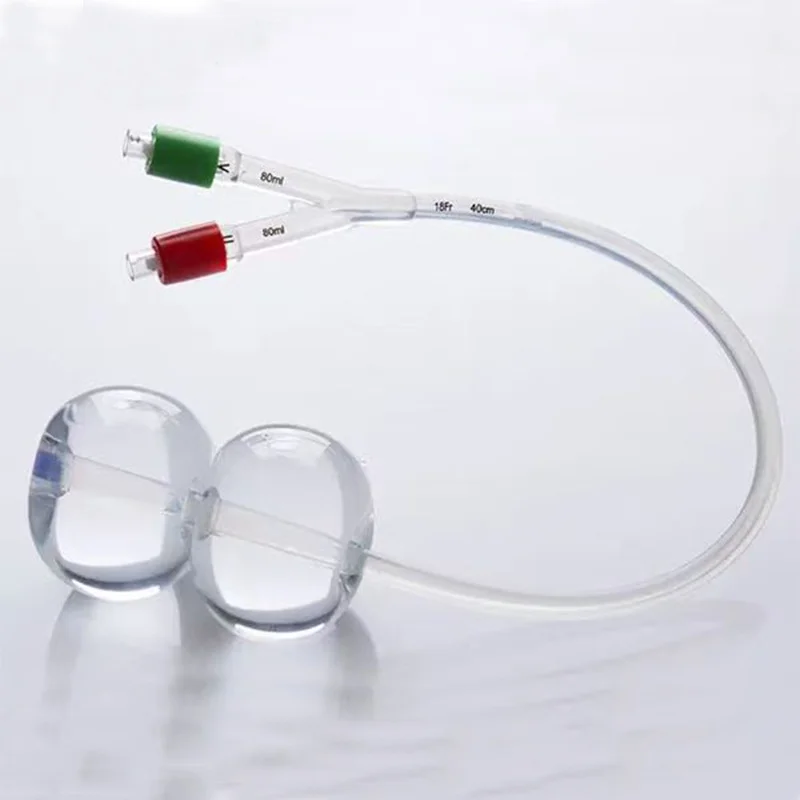
Cervical Balloon Catheter
Dilation and uterine tamponade
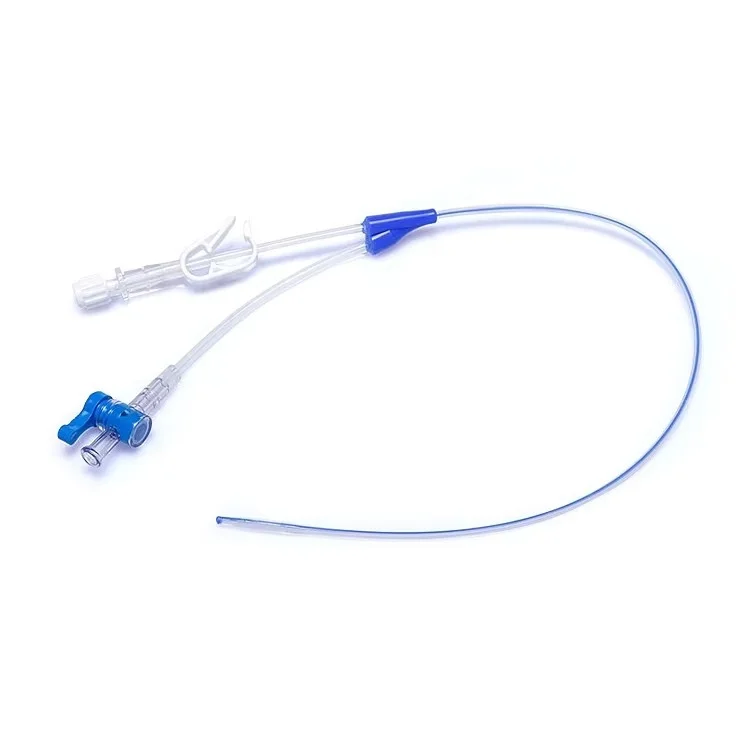
Contrast Catheters
Angiography, 4Fr to 8Fr
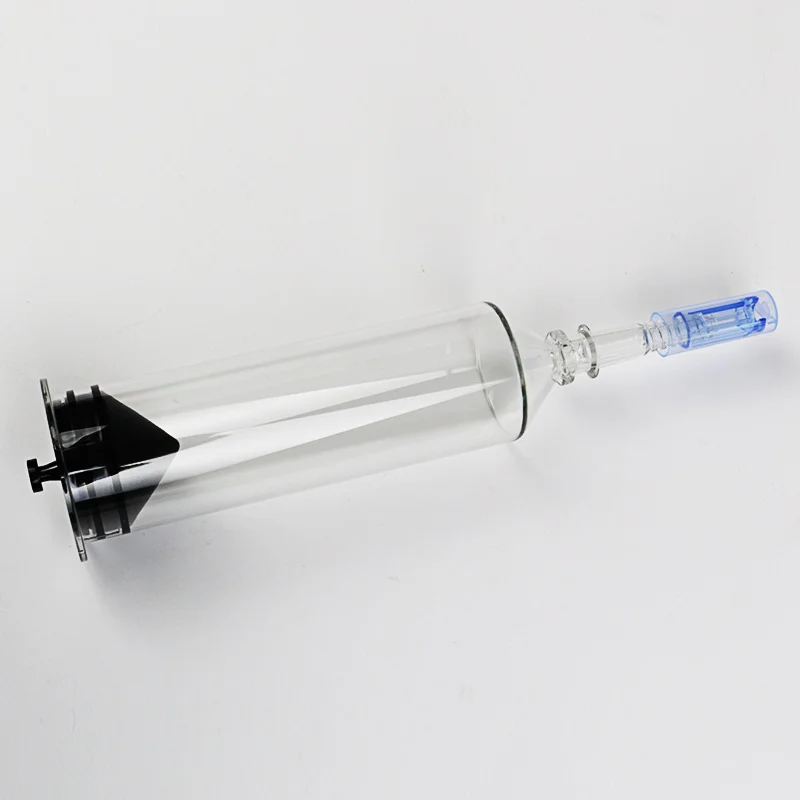
HP Injector Set
CT/MRI power injection

Luer Connectors
ISO 594 medical fittings
Foley Catheter
Urinary drainage OEM
Frequently Asked Questions
Hysterosalpingography is a fluoroscopic X-ray procedure that examines the uterine cavity and fallopian tube patency by injecting iodinated contrast media through a catheter placed transcervically. It is the standard first-line investigation for female infertility evaluation and recurrent miscarriage. The catheter design directly affects procedure success rate, patient comfort, and contrast leakage risk — making catheter selection critical for gynecology and radiology departments.
A balloon-tip catheter inflates a small balloon (1.5 to 3ml) in the cervical canal to create a self-sealing mechanism that prevents contrast leakage without requiring a tenaculum clamp. This reduces patient discomfort and procedure time. An acorn-tip (non-balloon) catheter requires manual counter-traction with a tenaculum, which increases patient pain. We supply both designs; balloon-tip is strongly preferred by most modern gynecology practices.
Yes. Each sterile peel-pack kit includes the HSG catheter, a 100cm or 150cm high-pressure extension tube, a silicone connecting segment, and a Luer-lock fitting — all pre-assembled as a complete sealed unit. The extension tube allows the radiologist or gynecologist to stand clear of the X-ray field during contrast injection, reducing radiation exposure.
The catheter materials (medical PVC shaft, silicone connector, polycarbonate Luer-lock hub) are compatible with all standard iodinated contrast media used for HSG including Omnipaque (iohexol), Ultravist (iopromide), Visipaque (iodixanol), and water-soluble oil-based Lipiodol. Material certificates confirming chemical compatibility are available on request.
5Fr is the most common standard size for diagnostic HSG in adult patients. 7Fr is used when a higher contrast flow rate is needed or for therapeutic HSG with selective salpingography. We stock both. Pediatric or adolescent HSG requires smaller sizes — contact us for custom configurations.
Yes. Custom peel-pack label, outer box printing, and bilingual IFU insert from 500 kits MOQ. We have supplied OEM-branded HSG kits for gynecology brands in Europe, the Middle East, and Southeast Asia. CE documentation under your product name is supported.
After the catheter tip is positioned in the cervical canal, the balloon is inflated with sterile saline (1.5 to 3ml) using a syringe connected to the balloon inflation port. The inflated balloon expands against the internal cervical os, creating a hydraulic seal that prevents retrograde escape of contrast media even under moderate injection pressure. This eliminates the need for a tenaculum clamp in most patients.
HSG is typically performed with manual syringe injection of 5 to 15ml contrast at low pressure — generally under 100 psi. Our catheter and extension set are rated well above this. Automatic power injectors are not used for HSG. Injection should stop immediately if the patient reports severe pain, which may indicate proximal tubal obstruction or uterine perforation risk.
Yes. The catheter shaft is medical PVC, the balloon is medical silicone, the extension tube is PVC with nylon braid, and the Luer-lock hub is polycarbonate. No latex components. Suitable for latex-allergic patients.
3 years from EO sterilization date when stored below 30 degrees Celsius, away from sunlight and high humidity. Each kit is individually sealed in a sterile peel-pack with sterilization date label and batch number for full traceability.