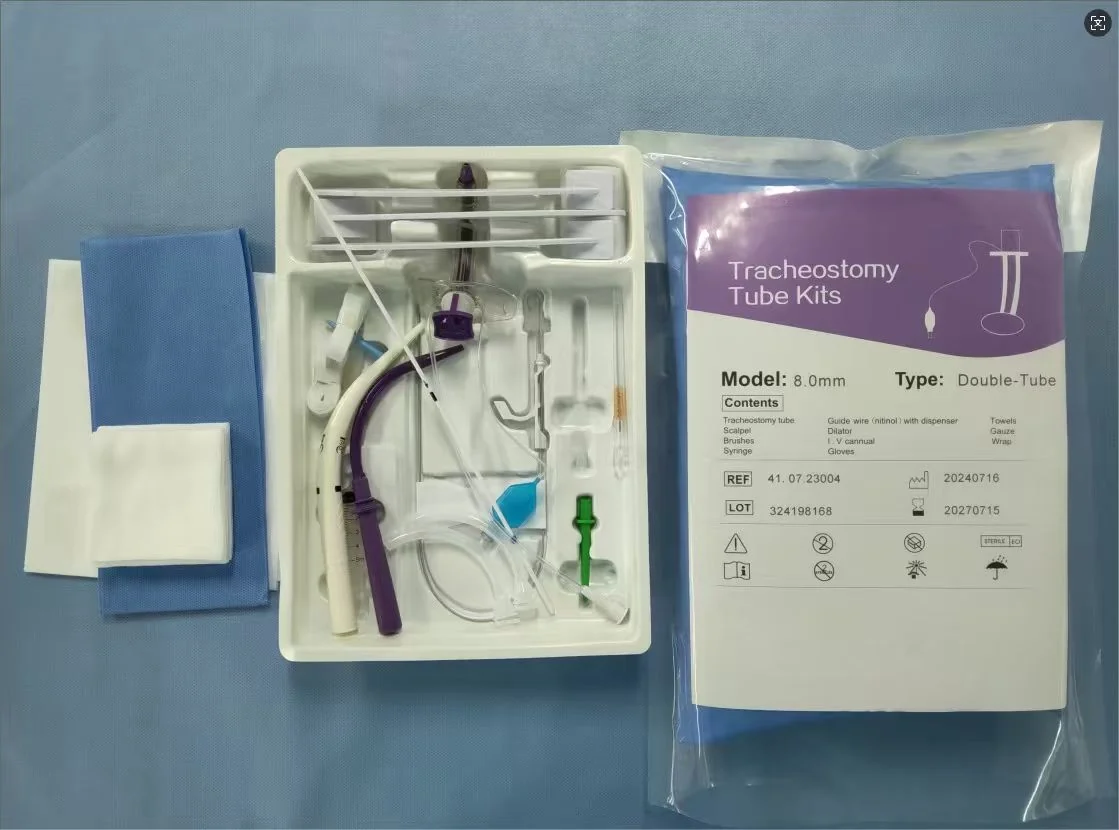
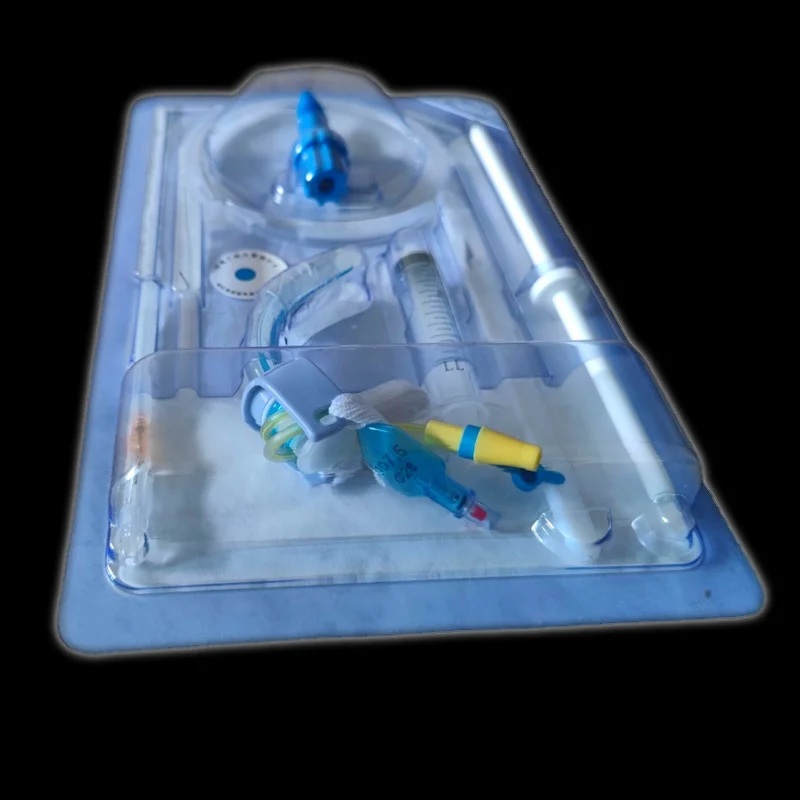
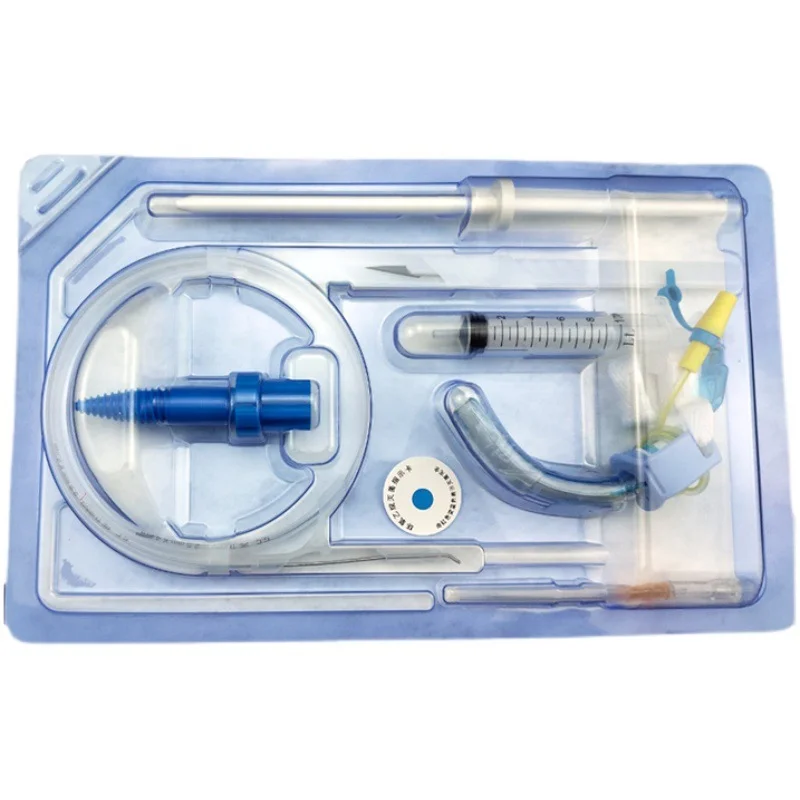
All components EO sterilized as a complete pre-assembled kit in a single tray pack — no intra-procedural assembly required. Batch traceability to component level.
EKINSUN manufactures complete disposable PDT kits for bedside percutaneous tracheotomy in ICU patients using the Ciaglia serial dilation technique. Every component — from the Seldinger introducer needle to the cuffed tracheostomy tube — is assembled, validated, and EO sterilized as a complete unit in a single tray pack, minimizing setup time and contamination risk in the critical care environment.
A percutaneous dilatational tracheotomy (PDT) kit is a single-use sterile set for creating a tracheostomy at the ICU bedside by progressive dilation over a guidewire — the Seldinger approach — instead of open surgical dissection. A complete kit pairs the puncture side (introducer needle, J-tip guidewire, dilators) with the airway side (a cuffed HVLP tracheostomy tube), sterilized together as one pre-assembled tray.
| Technique | Ciaglia serial dilation (Seldinger-based) |
| Kit contents | 14G needle + J-wire + progressive dilators + bronchoscope introducer + HVLP trach tube |
| Dilator set | Progressive 12Fr to 36Fr (or equivalent steps) |
| Trach tube sizes | 6.0 / 7.0 / 8.0 / 9.0mm ID (specify at order) |
| Cuff type | High-volume low-pressure (HVLP) |
| Recommended cuff pressure | 20 to 30 cmH2O |
| Bronchoscope channel | Compatible with 2.8mm or larger working channel |
| J-wire tip | Flexible J-tip - atraumatic posterior wall protection |
| Pack format | Single sterile tray - all components pre-assembled |
| Sterilization | EO sterile - SAL 10e-6 - single-use |
| Shelf life | 3 years from sterilization date |
| Certification | CE - ISO 13485 |
| Stock lead time | 10 to 14 business days |
| OEM lead time | 21 to 30 days (branded kits) |
| Dilator options | Progressive serial set, or horn-shaped single-step dilator |
| Horn dilator features | Soft tip - hydrophilic coating - ergonomic grip |
| Tube lumen options | Single / double / triple lumen (specify at order) |
| Model codes | EKS-TRTP1A - EKS-TRTP2A - EKS-TRTP3A |
| Extended ID range | 6.5 to 11.0mm in 0.5mm steps |
| Tube curve | Single or double curve available |
| Sterile packaging | Vacuum packed, supplied sterile |
| Minimum order | 10 sets, standard configuration |
GET PRICING - FREE SAMPLES - OEM QUOTE
Request OEM Quote WhatsApp - Reply Within HoursFREE SAMPLES FOR DISTRIBUTORS - NDA ON REQUEST - CE DOCS SUPPLIED
Ciaglia Technique — Step-by-Step Overview
Understanding the procedure helps procurement teams specify the correct kit configuration and evaluate component quality criteria:
- Patient positioning and pre-oxygenation — neck extended, FiO2 1.0 for 5 minutes before starting
- Bronchoscopic confirmation of level — bronchoscope advanced through ETT to confirm tracheal anatomy and select puncture level (typically between rings 2 and 3)
- Skin incision — 1.5 to 2cm transverse incision at selected level
- Introducer needle insertion — 14G needle advanced under bronchoscopic guidance until tracheal lumen is confirmed by air aspiration
- J-wire placement — J-wire advanced through needle lumen into tracheal lumen; needle withdrawn over wire
- Serial dilation — progressive dilators advanced over the wire in sequence, enlarging the stoma from needle puncture size to tracheostomy tube diameter
- Tracheostomy tube insertion — tube loaded onto the final dilator and advanced over the wire into the tracheal lumen; dilator and wire removed; cuff inflated
- Confirmation — ETT withdrawn, bronchoscope advanced through new tracheostomy tube to confirm position above carina
PDT vs Surgical Tracheotomy — Key Differences
| Feature | Percutaneous PDT | Surgical Tracheotomy |
|---|---|---|
| Setting | Bedside ICU | Operating room |
| Patient transfer required | No | Yes - significant risk for critically ill |
| Incision size | 1.5 to 2cm | 3 to 5cm |
| Bleeding rate | Lower (meta-analysis data) | Higher |
| Wound infection rate | Lower | Higher |
| Scarring | Minimal | More significant |
| Procedure time | 15 to 30 minutes | 30 to 60 minutes |
| Cost | Lower (no OR time) | Higher |
| Main contraindication | Difficult anatomy, morbid obesity | Few absolute contraindications |
Quality and Safety Details
J-Wire Design
The J-wire included in our kit has a stainless steel monofilament core with a flexible coiled J-tip segment. The J-tip deflects off the posterior tracheal wall during advancement, preventing posterior wall puncture — which is the most serious procedural complication of the Seldinger approach. Wire stiffness is calibrated to provide sufficient column strength for dilator advancement while maintaining tip flexibility.
Progressive Dilator Set
Our dilator set uses a series of stepped dilators (rather than a single large dilator) to progressively enlarge the stoma in controlled increments, minimizing each individual dilation force and reducing the risk of tracheal ring fracture. Dilators are made from medical-grade HDPE with tapered tips and smooth surface finish to minimize mucosal trauma.
HVLP Tracheostomy Tube
The tracheostomy tube uses a high-volume low-pressure cuff inflated to seal the airway at intracuff pressures of 20 to 30 cmH2O — well below the tracheal mucosal capillary pressure threshold of approximately 30 mmHg (41 cmH2O). This prevents ischemic mucosal injury during prolonged mechanical ventilation. The tube is supplied with a 15mm ISO connector for ventilator circuit attachment and an inner cannula for routine cleaning without tube removal.
Horn-Shaped Single-Step Dilator — Alternative Configuration
The same kit is supplied with a horn-shaped single-step dilator for teams that prefer one-pass dilation over a serial dilator sequence. The horn dilator replaces the 12Fr-to-36Fr progression with a single tapered pass, which shortens the dilation stage of the procedure and reduces the number of component exchanges over the guidewire.
Soft Tip
The dilator tip is softer than tracheal forceps, reducing tissue injury during dilation.
Hydrophilic Coating
The coated surface dilates the tissue tract more smoothly, further reducing injury as the dilator advances.
Ergonomic Design
The body is shaped for grip and control during the procedure — relevant when the operator is working at the bedside rather than on an OR table.
Both dilator configurations are stocked. Specify serial or horn-shaped at order; the rest of the kit contents are unchanged.
Tube Configurations — Single, Double and Triple Lumen
Three tracheostomy tube configurations are available, each across the full inner-diameter range:
| Type | Model | Inner diameter available |
|---|---|---|
| Single lumen | EKS-TRTP1A | 6.5 / 7.0 / 7.5 / 8.0 / 8.5 / 9.0 / 9.5 / 10.0 / 10.5 / 11.0 mm |
| Double lumen | EKS-TRTP2A | 6.5 / 7.0 / 7.5 / 8.0 / 8.5 / 9.0 / 9.5 / 10.0 / 10.5 / 11.0 mm |
| Triple lumen | EKS-TRTP3A | 6.5 / 7.0 / 7.5 / 8.0 / 8.5 / 9.0 / 9.5 / 10.0 / 10.5 / 11.0 mm |
The 6.5 to 11.0mm ID range in 0.5mm steps covers adult airway sizing across patient body habitus. Tube geometry is available in single or double curve. Lumen count, inner diameter and curve are specified at order.
The insertion kit is intended for patients requiring anaesthesia, mechanical ventilation or other assisted breathing — creating an artificial airway where dyspnoea is caused by laryngeal obstruction, impaired ventilatory function, or retained secretions in the lower airway.
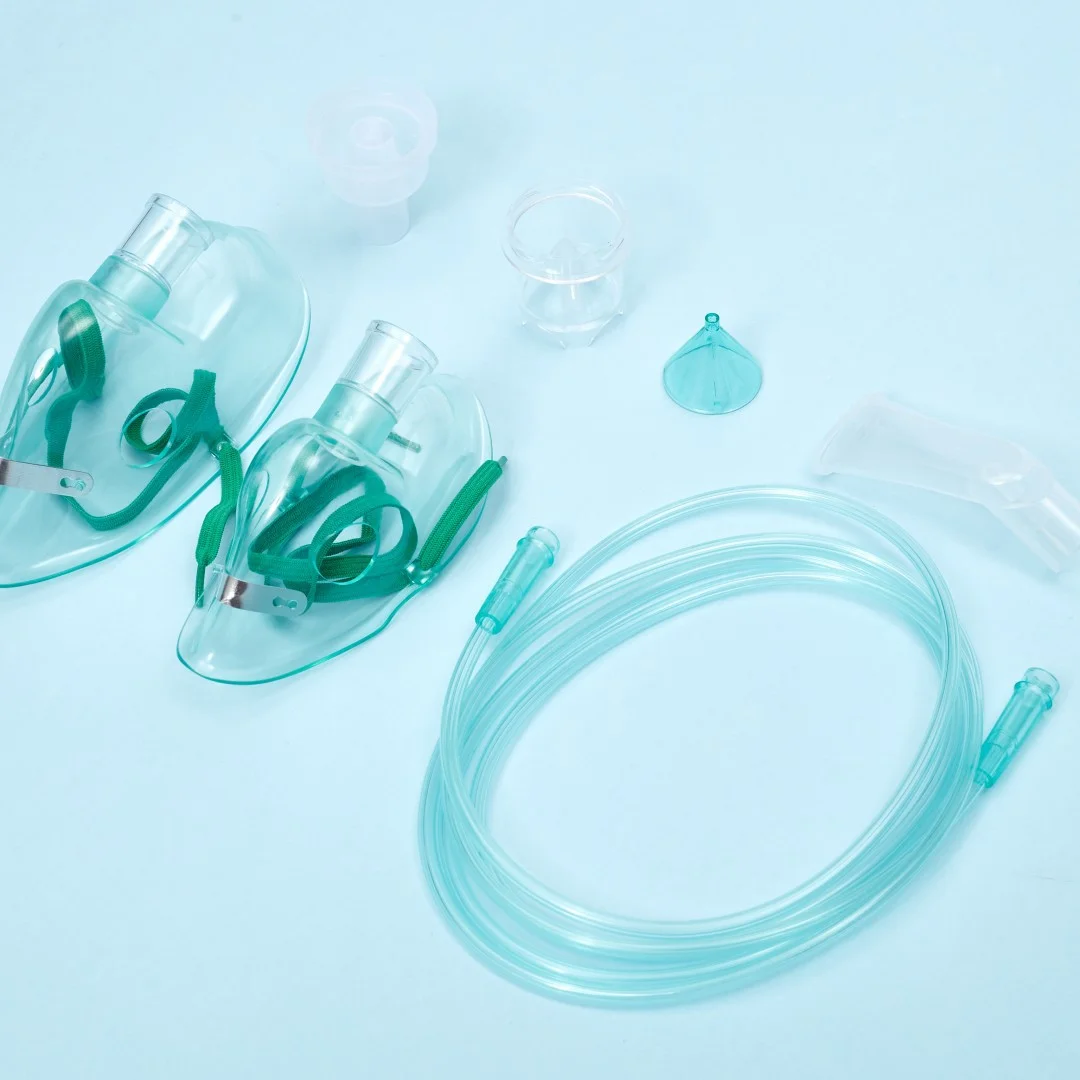
Complete your ICU airway management disposables: pair with our disposable oxygen masks and nebulizers for pre- and post-procedure respiratory support, and our Foley catheters for ICU urinary output monitoring.
Custom & OEM PDT Tracheotomy Kits — Configured to Your Protocol
We assemble percutaneous dilatational tracheotomy kits to your hospital protocol — Ciaglia single-dilator or your preferred technique, tube sizes, dilator and guidewire specification, component count, and sterile tray layout printed and packed under your brand. Kit configurations that off-the-shelf suppliers will not customise are our normal work.
Send your component list or a sample kit to match — no engineering drawing needed — and we source, mold the custom components, and quote per-kit pricing with a realistic launch quantity. See the OEM medical molding service.
Beyond the components listed above, the kit can be built with further instruments — scalpels, haemostatic forceps and other accessories — to match your procedure protocol. All products are supplied sterile in vacuum packaging.
Minimum order is 10 sets for a standard configuration, so a hospital can evaluate the kit in service, or a distributor can test a market, before committing to volume. OEM-branded runs with printed tray inserts carry the higher quantities listed in the FAQ below.
What a stock PDT kit fixes — and what EKINSUN configures
| Kit parameter | Typical stock kit | EKINSUN OEM configuration |
|---|---|---|
| Tracheostomy tube ID | One fixed size per kit code | 6.5 to 11.0mm in 0.5mm steps, specified at order |
| Tube lumen / curve | Single lumen, one curve | Single, double or triple lumen; single or double curve |
| Dilation style | One technique per catalog line | Progressive serial 12Fr to 36Fr, or horn-shaped single-step with hydrophilic coating |
| Tray contents | Fixed component list | Scalpels, haemostatic forceps and other instruments added to match your protocol |
| Branding | Supplier's label | Printed tray inserts and packing under your brand (OEM) |
| Order size | Volume cartons | From 10 sets, so a hospital or distributor can evaluate first |
Related Products
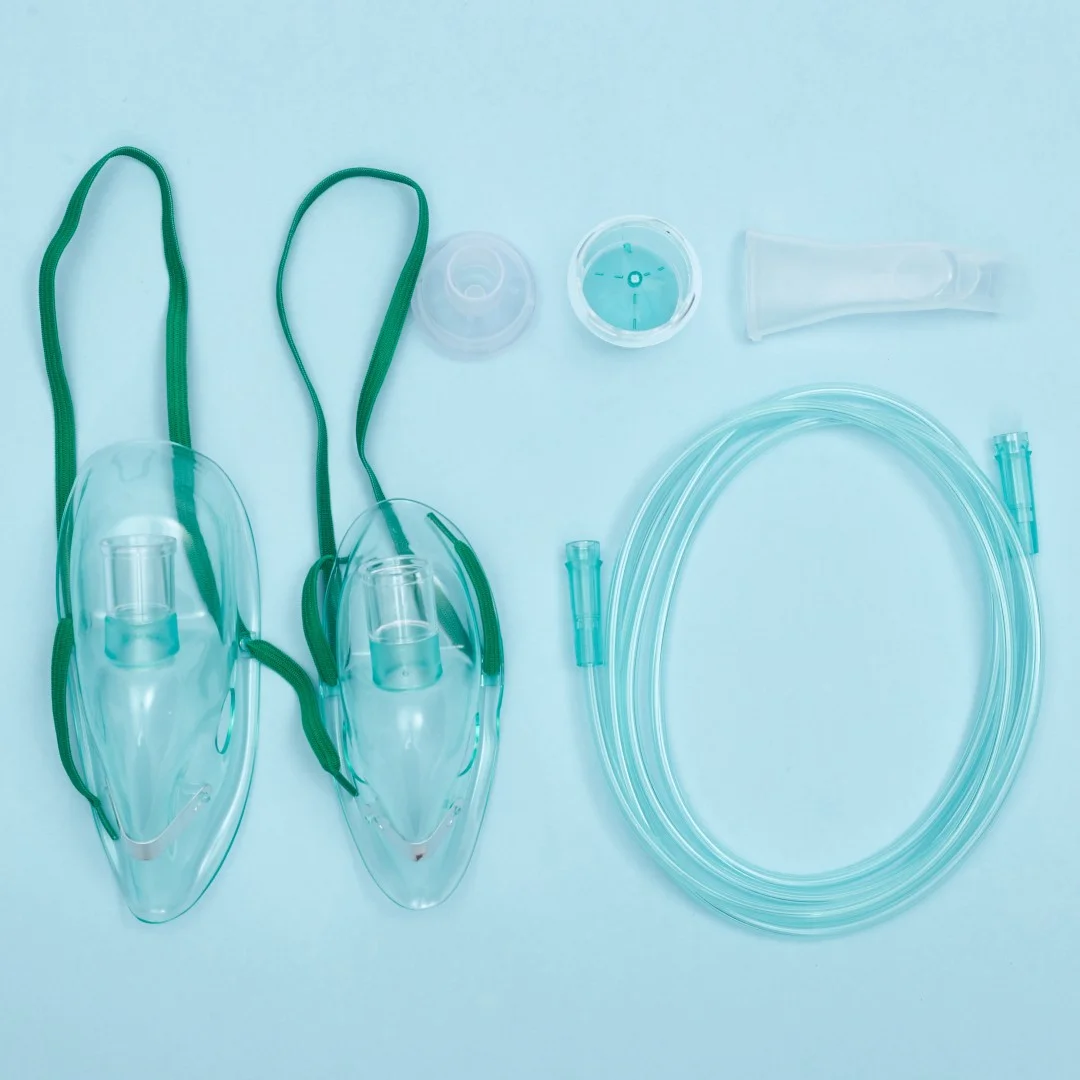
O2 Mask and Nebulizer
ICU respiratory support
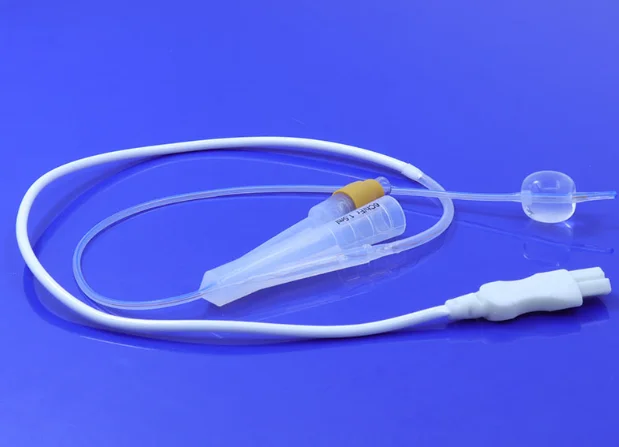
Foley Catheter
ICU urinary monitoring
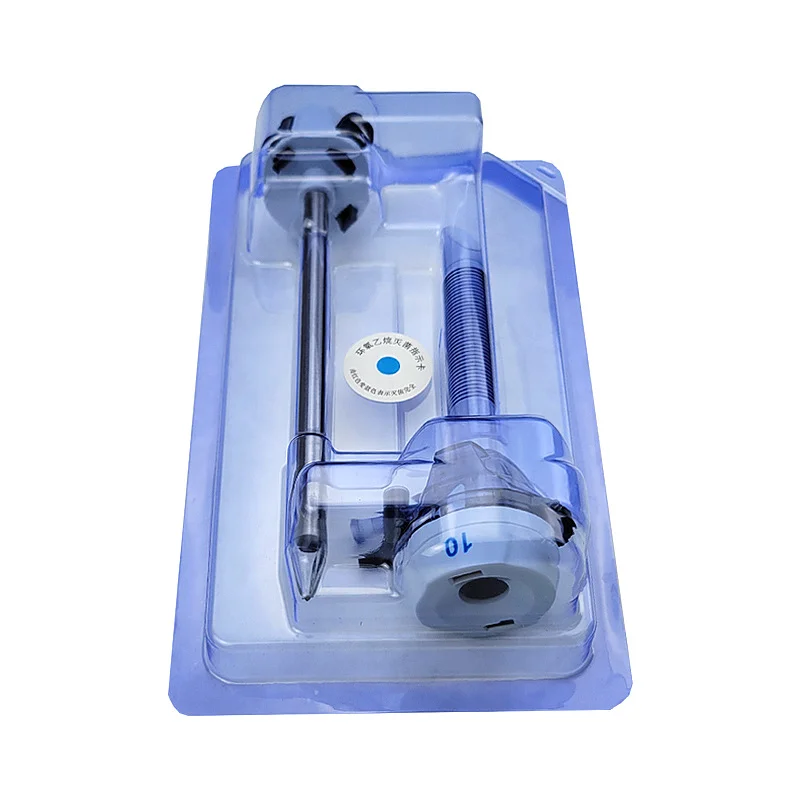
Laparoscopic Trocar
Surgical access devices
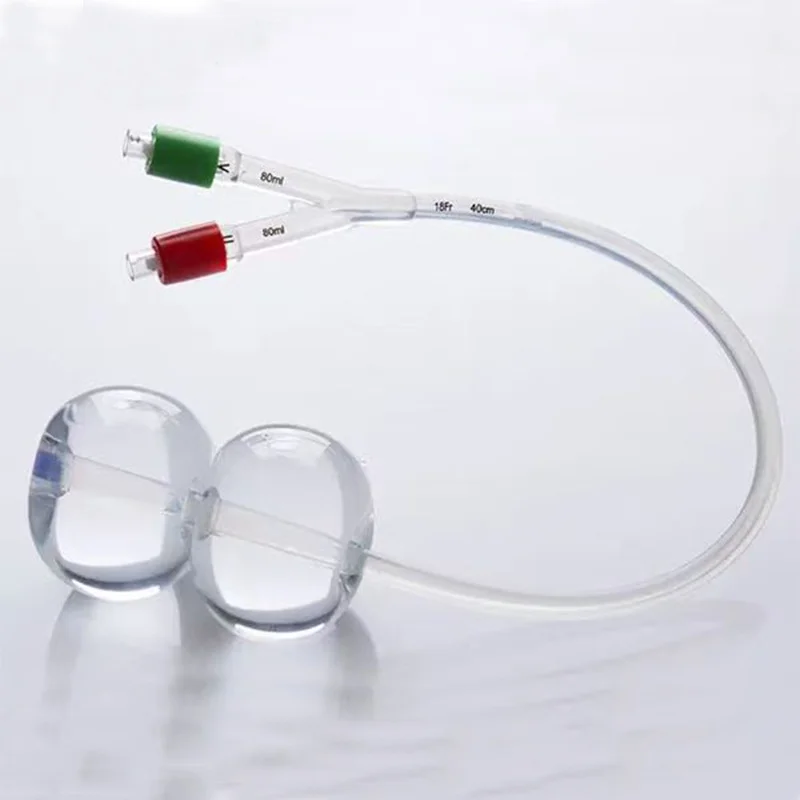
Balloon Catheter
Critical OB/GYN access

Luer Connectors
Medical fittings OEM
Frequently Asked Questions
The kit uses the Ciaglia serial dilation technique, which is the most widely adopted percutaneous dilatational tracheotomy method globally. The kit includes: a 14-gauge introducer needle with syringe, a J-wire guidewire (with flexible J-tip to prevent posterior tracheal wall injury), a series of progressive dilators (sizes 12Fr through 36Fr or equivalent), a bronchoscope introducer port (allowing fiber-optic guidance during the procedure), and a cuffed high-volume low-pressure (HVLP) tracheostomy tube in the selected inner diameter. All components are EO sterilized as a complete pre-assembled kit in a single tray pack.
Stock sizes: 6.0mm, 7.0mm, 8.0mm, and 9.0mm inner diameter (ID) cuffed tracheostomy tubes. Extended-length versions (for obese patients with deep neck tissue) and adjustable-flange tubes are available at 500 pcs MOQ with 30 to 45 day lead time. The tube outer diameter, cuff diameter, and flange dimensions are consistent with standard tracheostomy tube sizing conventions.
Bronchoscopic guidance is strongly recommended for the Ciaglia technique and is considered the standard of care in most ICU settings. The kit is designed to accommodate a flexible bronchoscope with a working channel of 2.8mm or larger, which is inserted through the tracheostomy tube before placement to provide real-time visualization of the posterior tracheal wall during guidewire insertion and dilation — reducing the risk of posterior wall injury. The procedure can be performed without bronchoscopy by experienced operators using the palpation-landmark technique, but this is less safe for high-risk patients.
A high-volume low-pressure cuff inflates to a large diameter at low intracuff pressure (typically 20 to 30 cmH2O), distributing the sealing pressure over a larger area of tracheal mucosal surface. This contrasts with older high-pressure low-volume cuffs that caused ischemic pressure necrosis of the tracheal mucosa — the main cause of post-tracheotomy tracheal stenosis, a serious long-term complication. All our tracheostomy tubes use HVLP cuffs as standard. Intracuff pressure should be monitored and maintained below 30 cmH2O using a cuff pressure manometer.
The J-wire has a flexible, atraumatic J-shaped tip that deflects off the posterior tracheal wall rather than penetrating it — which is the primary risk of the standard Seldinger technique with a straight guidewire tip. After the introducer needle enters the tracheal lumen, the J-wire is advanced through the needle lumen; the flexible tip curls downward into the tracheal lumen rather than potentially perforating the posterior wall. This is a critical safety feature that makes the Ciaglia technique safer than earlier Seldinger approaches.
The tracheostomy tube remains in place for as long as the patient requires assisted ventilation or airway protection — which can range from days to months in ICU patients. The HVLP cuff maintains a seal for mechanical ventilation. Regular cuff pressure monitoring (every 8 hours) and tube care are required. Tube changes are typically performed at 7 to 14 days after initial placement when the tract has matured sufficiently.
Yes. Individual components — guidewires, serial dilators, tracheostomy tubes, introducer needles — are available in bulk for hospitals that use the kit components with their own institutional protocol variations. Contact us for component pricing and minimum quantities per item.
MOQ is 100 sets for standard OEM with custom peel-pack label. 500 sets for full tray insert printing with your brand. Lead time 14 to 21 days for branded kits. CE documentation under your product name supplied. Languages: English, Spanish, German, French, Arabic supported for IFU inserts.
CE declaration of conformity under EU MDR 2017/745, ISO 13485 manufacturing certificate, EO sterilization validation certificate, and batch certificate of analysis with dimensional and functional test data. Biocompatibility data per ISO 10993 for all catheter and tube materials available in technical file under NDA.
Percutaneous tracheotomy (PDT) is performed at the bedside in the ICU without requiring transfer to an operating room, reducing transport risk for critically ill patients. It uses a smaller incision than surgical tracheotomy, which generally results in less bleeding, fewer wound complications, and better cosmetic outcome. Meta-analyses consistently show PDT has equivalent or lower complication rates compared to surgical tracheotomy in selected ICU patients. The main contraindications to PDT are: morbid obesity with difficult neck anatomy, prior neck surgery or radiation, coagulopathy, and emergency airway situations where surgical tracheotomy is faster.
Both configurations are stocked. Serial dilation advances a sequence of dilators (12Fr through 36Fr or equivalent) over the guidewire, enlarging the stoma in controlled increments. The horn-shaped dilator does it in a single tapered pass, which shortens the dilation stage and means fewer component exchanges over the wire. The horn dilator has a soft tip — softer than tracheal forceps, reducing tissue injury during dilation — and a hydrophilic coating that lets it advance through the tissue tract more smoothly. Teams already trained on serial dilation generally stay with it; teams looking to shorten bedside procedure time ask for the horn configuration. Specify which you want at order — the rest of the kit contents are unchanged.
Three tube configurations: single lumen (model EKS-TRTP1A), double lumen (EKS-TRTP2A) and triple lumen (EKS-TRTP3A). All three are available across a 6.5 to 11.0mm inner diameter range in 0.5mm steps — 6.5, 7.0, 7.5, 8.0, 8.5, 9.0, 9.5, 10.0, 10.5 and 11.0mm. Tube geometry is available in single or double curve. Lumen count, inner diameter and curve are specified at order.
10 sets for a standard configuration — low enough for a hospital to evaluate the kit in service, or for a distributor to test a market, before committing to volume. Custom kit builds with added instruments (scalpels, haemostatic forceps and other accessories to match your protocol) and OEM-branded runs with printed tray inserts carry the higher quantities described above. All products are supplied sterile in vacuum packaging.
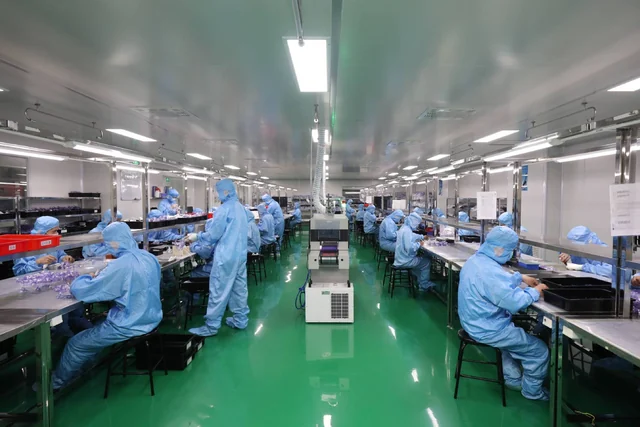
EKINSUN manufactures complete PDT kits as OEM/ODM from Guangdong, China, with medical molding at an ISO 13485 certified partner facility — tube sizes, dilator style, tray contents and private labeling configured to your hospital protocol. If a standard catalog kit already matches your protocol, buy it off the shelf; a custom build is the right path when you need non-standard tube sizes, additional instruments in the tray, or your own brand on the pack. Minimum order 10 sets; OEM-branded runs ship in 21 to 30 days.