Article Contents
Why the Headline Price Lies
A CNC quote is rarely one number. The "cheap" quote often hides setup costs in a high minimum quantity, or quotes EXW so shipping and duties land on you later. The "expensive" one might be DDP with inspection included. You can only compare quotes line by line — so here's what each line means.
The Line Items, Explained
| Line | What it is | Negotiable? |
|---|---|---|
| Unit price | Per-piece machining cost; drops sharply with quantity | Yes, via quantity / design tweaks |
| Setup / NRE | One-time programming, fixturing, first-article | Amortised over the batch |
| Tooling | Custom jaws or special cutters (often low for CNC) | Sometimes waived at volume |
| Material | Stock cost; varies a lot by grade | Yes — grade choice matters |
| Finish / coating | Anodize, plate, blast, etc. | Yes — drop if not needed |
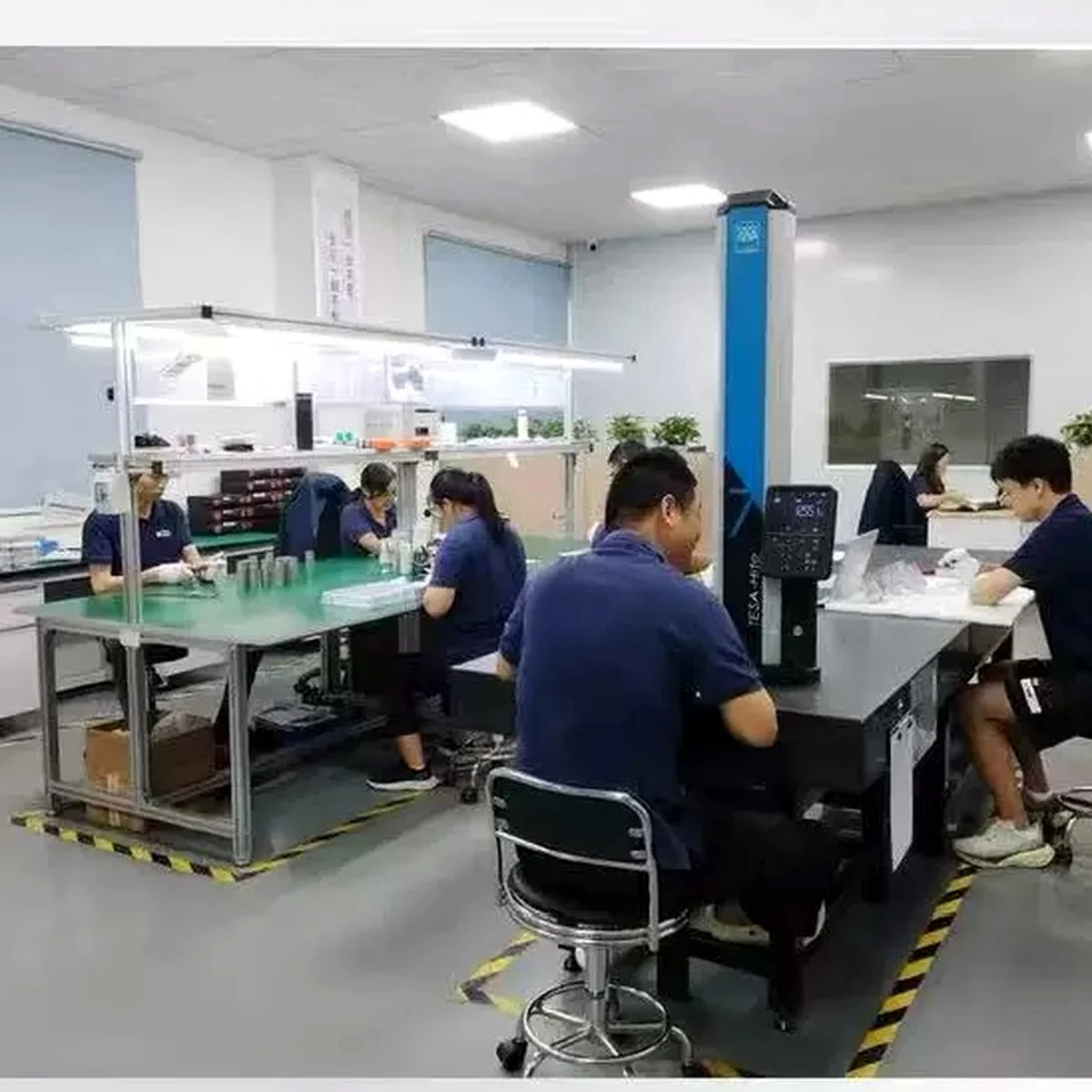
| Inspection | CMM / dimensional report | Worth keeping |
| Incoterm | EXW / FOB / DDP — who pays freight & duty | Compare on the same basis |
| Lead time | Working days to ship | Express often available for a fee |
| MOQ | Minimum order quantity | See MOQ explained |
| Payment terms | Deposit %, balance trigger | Staged terms are normal & safer |
The Quantity Trick — and Why It's Real Physics, Not a Scam
If one piece costs $90 and a hundred cost $12 each, that's not price gouging — it's the setup being spread across the batch. Programming, fixturing and the first-article check are paid once whether you make 1 or 100. Understanding this lets you ask the right question: "what quantity gets the unit price I want?" rather than assuming the prototype price is the production price.
Compare on the Same Basis
- Same Incoterm — an EXW price plus freight and duty can beat or lose to a DDP price; normalise them. EKINSUN quotes DDP to your door with duty paid, so the number on the quote is the number you pay.
- Same tolerances and finish — a cheaper quote machining to looser tolerances isn't the same part.
- Same inspection — "with CMM report" vs "no inspection" is a real cost difference.
- Same quantity and MOQ — make sure both quotes are for the order you'll place.
Red flag: a quote with no breakdown, 100% payment up front to a personal account, and no inspection offered. Before you commit, it's worth knowing how to vet the shop behind the number.
Parts That Illustrate Common Quote Line Items
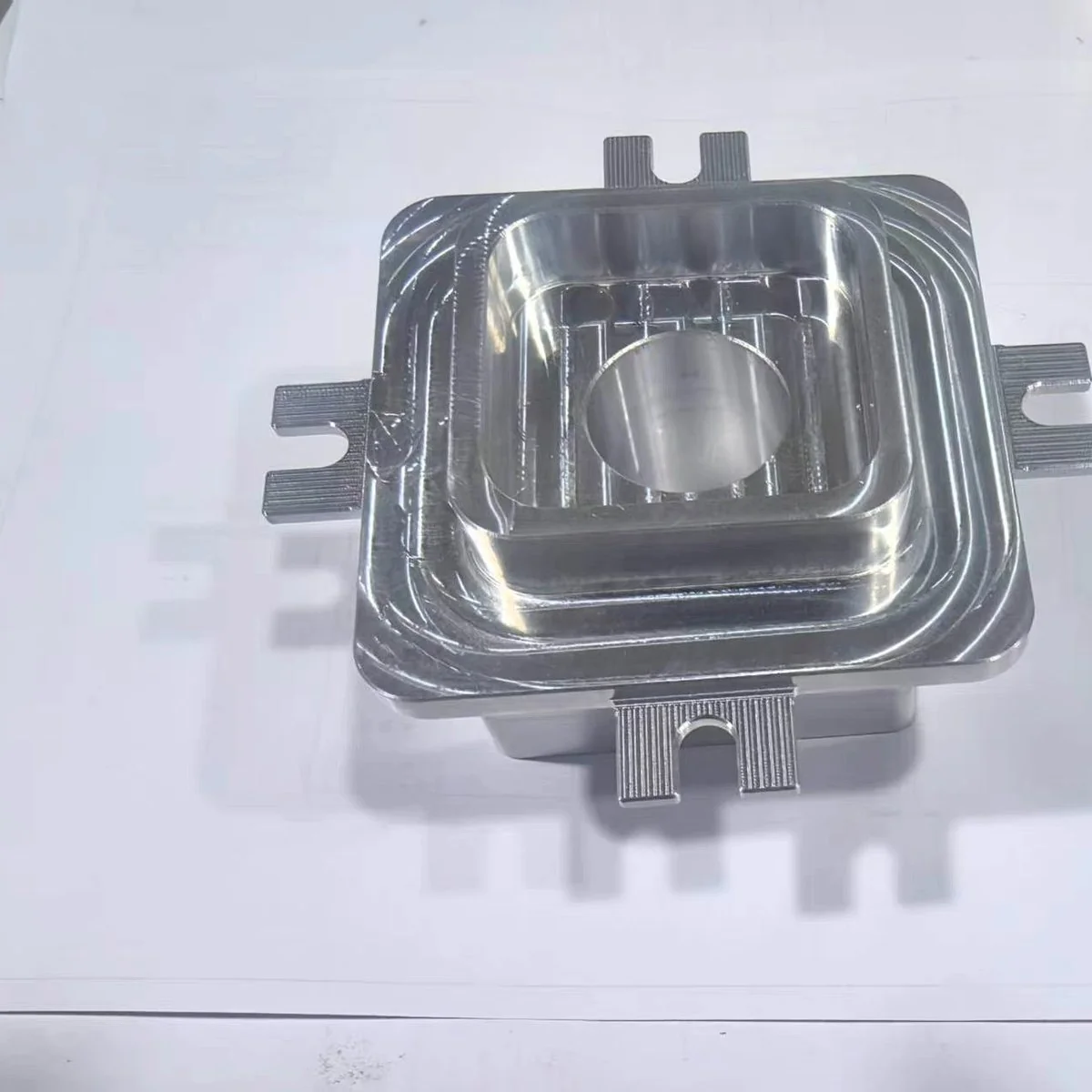
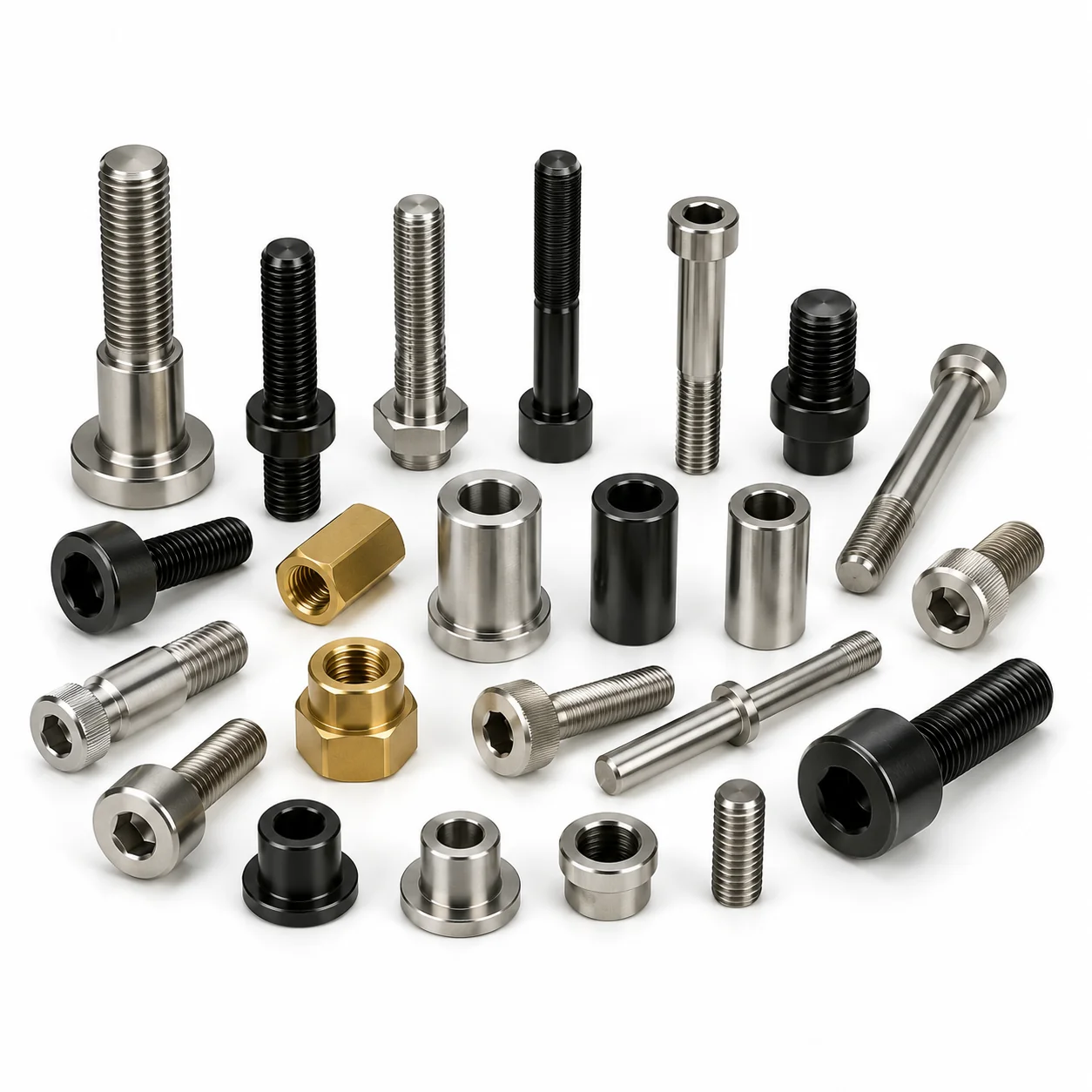
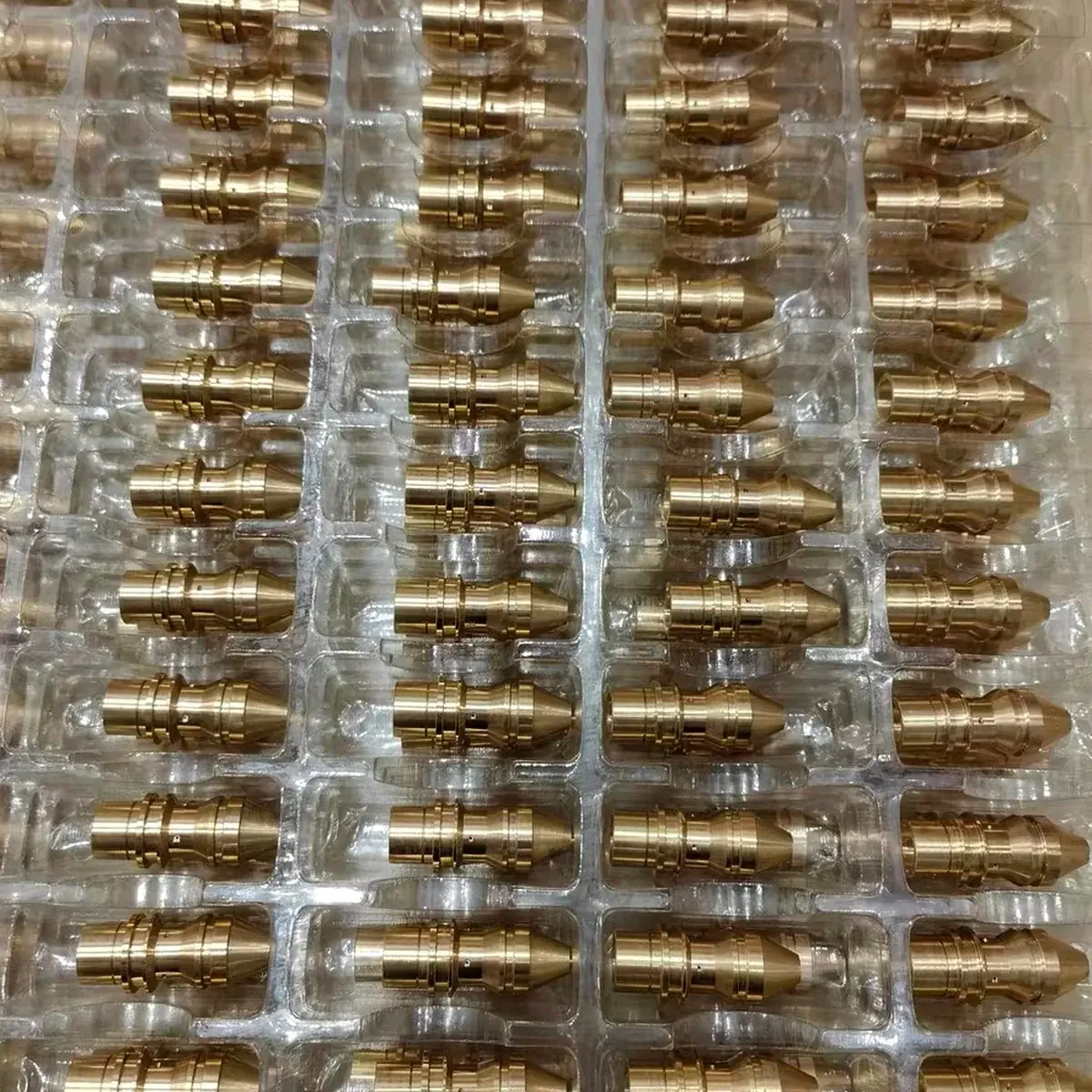
Parts where setup cost, material cost and surface finish each played a significant role in the quote breakdown:
Frequently Asked Questions
Most cost is one-time setup — programming, fixturing, first-article — spread across the batch. So 100 pieces cost far less each than 1.
NRE covers one-time programming, custom fixtures and special tools. CNC usually has low or no hard tooling, charged once, not per part.
Incoterms defining who pays freight and duty. EXW = you arrange everything from the door; FOB = seller loads the vessel; DDP = seller delivers with duties paid. Compare quotes on the same Incoterm.
Material grade, tolerances, finish, Incoterm and inclusions, lead time, inspection and payment terms — and that two compared quotes cover the same scope.
Get a Clear, Itemised Quote
We quote line by line — material, finish, inspection, Incoterm, lead time. Reply in 12h.
// Qty & price
1 pc
Sample price
Confirm fit before a run
10–50
Unit price drops
Setup cost shared
100+
Best price
All tiers quoted upfront
- →No distributor — you pay the maker directly
- →CAD saved after first order — reorder anytime at lower unit price
Itemised quote · No hidden fees