When a Machine Goes Down, the Clock Is Running
A single failed component — a sheared shaft, a worn bushing, a stripped gear — can stop a whole production line. And too often the OEM makes it worse: the part is back-ordered for weeks, sold only in large minimum quantities, priced as a captive spare, or no longer supplied at all. Meanwhile the machine sits idle and the losses add up by the hour.
EKINSUN exists for exactly that gap. We machine custom replacement parts to OEM specification or better, one piece at a time, from whatever you have — the worn part, an old drawing, or just photos and measurements. No CAD file, no minimum batch, and a quote in 12 hours so you can plan the repair fast.
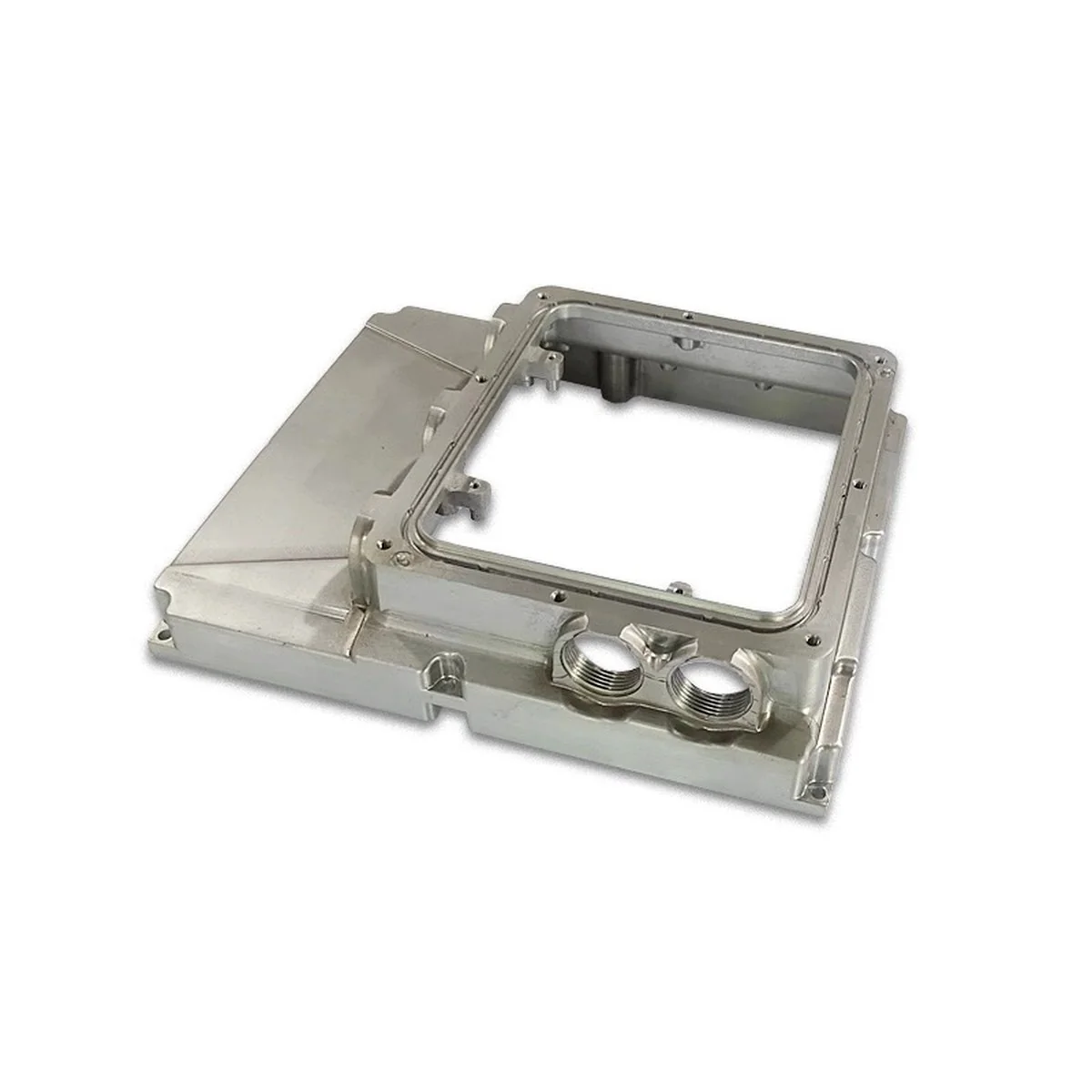
Machine Parts We Remake
Each part below has its own page with specs, materials and how to order — most can be reproduced from a worn sample with no drawing:
Shafts, Gears & Drive Parts
Housings, Bodies & Mounts
Don't see your part? We make far more than we can list — tell us what failed and we'll quote a replacement.
Before You Pull the Part — What Only the Machine Can Tell You
This is the part of the job that cannot be redone later. The moment the component is out of the assembly and on a bench, a set of facts stops existing — and they are usually the facts that decide whether the replacement drops in or fights you.
The reason is simple: a worn part does not know its own original size. Its working surfaces have lost material, so measuring them gives you the dimensions of a failed part, not of a new one. What survives untouched is everything around it — and that is where the real numbers are.
| Capture while the machine is open | Why it disappears afterwards |
|---|---|
| The bore, seat or housing the part sits in | Barely wears, so it gives the true nominal size when the part itself cannot |
| Orientation and any timing or alignment marks | Once it is out, which way round it went is guesswork — and a cam, a keyed hub or a one-way thrust face is not symmetrical |
| Shims and spacers, in order and facing | Stack height sets the endfloat; loose in a tray they are just washers |
| Bolt-hole spacing and pocket depth | Cheap to measure now, awkward once the machine is reassembled around a temporary fix |
| Backlash or free play before dismantling | Tells us how much was wear and how much was designed clearance |
| Photos of the assembly before anything moves | Free, takes a minute, and answers questions neither of us has thought of yet |
Then send us the part itself — broken is fine. Keep every fragment, including small chips, and add photographs with a caliper or rule in shot. A part in two pieces still carries all its lengths, and the fracture face shows the true section of material at the point it let go — information the intact part never gave you.
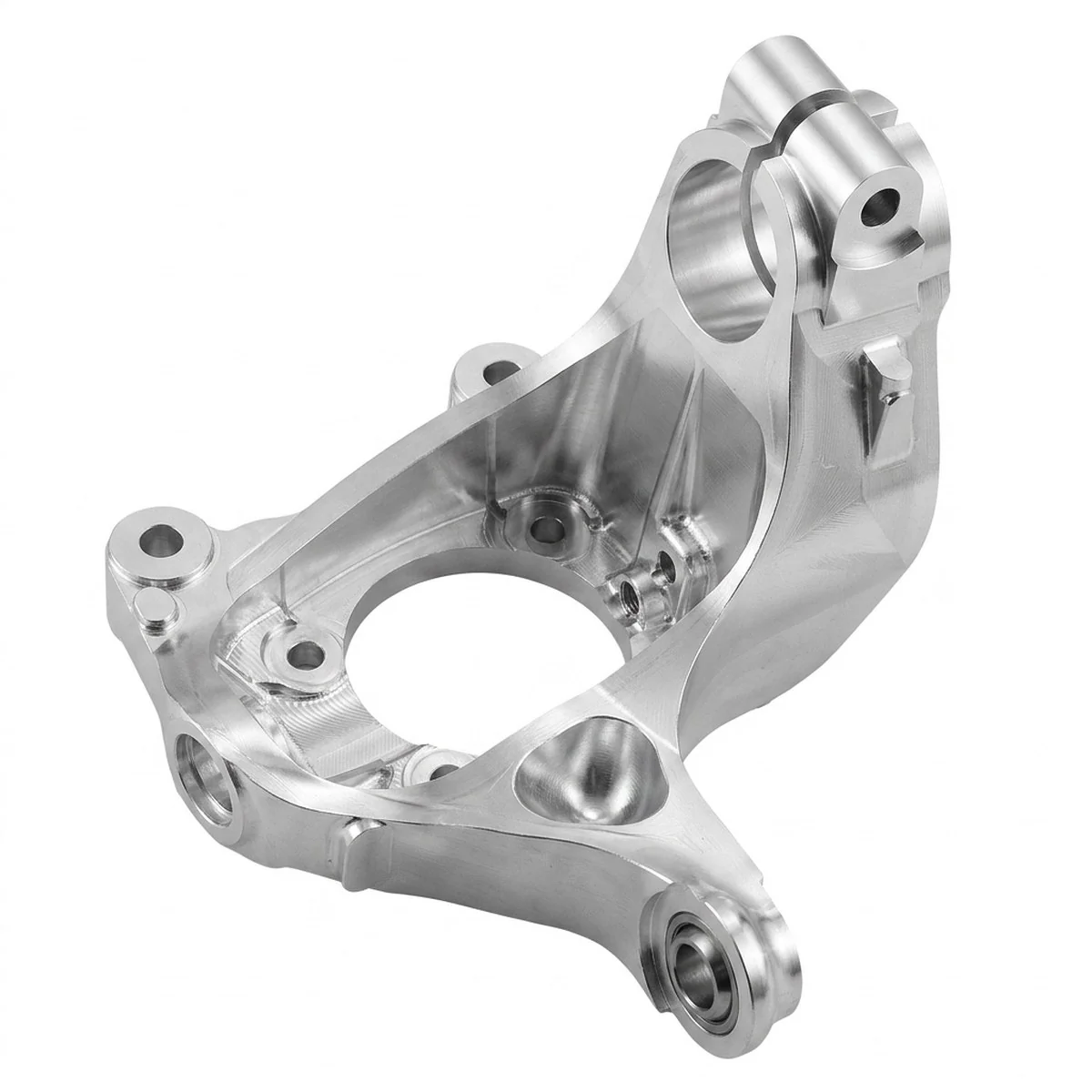
Two families come up often enough to have their own pages: chuck and vice jaws for machines nobody supports any more, copied from one old jaw, and die plates, punch retainers and stripper plates re-cut from a broken original.
Which Machine Parts to Remake — and Which to Just Buy
Start here, because this is where you save money. A large share of what fails on an old machine is still available off the shelf, often for a few euros, at a quality no one-off reproduction will match. A machine going out of production does not take its standard components with it.
| Component | Do this | How to order it |
|---|---|---|
| Rolling bearings | Buy | The ISO code is stamped on the ring (6205, 32010…). A branded bearing costs less and lasts longer than any reproduction — nobody should be remaking a bearing |
| O-rings, lip seals | Buy | Catalogued by dimension (bore × section, or shaft / housing / width). Thousands of sizes are stocked |
| Belts, chains | Buy | Reference is printed on the back; failing that, length and profile identify it |
| Circlips, dowels, standard fasteners | Buy | DIN / ISO stock items — unless the size or pitch is outside the standard, which is where we come back in |
| Electrical and electronic items | Buy or recondition | Outside what we do — we cut metal and plastic, not electronics |
| The machined part specific to your machine — shaft, bushing to a particular size, gear, cam, housing, bracket, tie bar, feed nut, non-standard threaded component | Remake | This is our half. It never carried a standard code — only a builder's number, from a builder who no longer supplies it |
Send the photo before you order anything. If what failed turns out to carry a standard code, we will point you at it rather than quote you an unnecessary machining job. A quote is only worth issuing when the part has to be made.
When the Same Part Fails Twice
A first failure after years of service is a part that did its job. A second failure in the same place is a design fault — and reproducing it faithfully buys you a third one.
So tell us where it broke. The location is the diagnosis, and it decides whether we copy or correct:
| Where it failed | What it means | What we change |
|---|---|---|
| Sharp internal corner, step in diameter | Stress concentration — a designed-in weak point | Larger fillet radius, same interfaces |
| At a cross-hole, keyway or groove | Minimum remaining section | Recalculate the section; reposition if function allows |
| Thread root, first engaged turn | Normal weak point of a threaded part | Grade change — 4140 / 42CrMo4 heat treated in place of mild steel |
| Rapid surface wear, no fracture | Material or lubrication, not geometry | Hardened surface, bronze in place of plastic, or a lubrication path added |
| Clean break, no singularity | Overload, shock, or a load the original was never sized for | Grade and section reviewed with you — the case where upgrading pays most |
What we cut it from: aluminium 6061 and 7075 for light housings and brackets; stainless 304 and 316L where washdown or corrosion is in play; C45 and 42CrMo4 for shafts, gears and anything that has already broken once; brass and bronze for bushings and wear faces; POM, nylon, PTFE and PEEK for guides, rollers and low-friction parts.
One limit we hold to: interface dimensions never change without your explicit approval — mounting diameters, bolt spacing, thread sizes, engagement lengths. An improved part that no longer drops into the machine is not a replacement part.
Part discontinued or the maker gone? That's a slightly different problem — see obsolete & discontinued parts, where we reconstruct from the mating parts even when no original survives. If the failure left you with fragments, broken-part reproduction covers that route; for a packaging or bottling line specifically, packaging machine change parts deals with star wheels, feed screws and format changeovers. The replacement parts hub maps every situation we handle.
A note on branded parts. We manufacture a compatible replacement matching the original's form, fit and function, worked out from what you supply. We do not supply branded original products, reproduce trademarks carried on a part, or imply affiliation with the original manufacturer.
See also conveyor scraper blades and flight bars — cut from one surviving sample, with slotted fixings so the blade can be re-set as it wears — and PE-UHMW liners and screen panels.
Guards, belt covers, inspection covers and access panels are remade from the old part on replacement machine guards and cover plates; mounting and adapter plates on laser-cut plates.
A worn sprocket or pulley on a taper bush is replaced without touching the shaft: the bush sizes, screw torques and the smallest hub for each are on taper lock bushes and hubs.
Frequently Asked Questions
Capture what stops existing once the part is out. Photograph the assembly undisturbed, including orientation and any timing or alignment marks. Measure what the part sits in — bore, shaft seat, pocket depth, bolt spacing — because a worn part cannot tell you its original size but the untouched surfaces around it can. Keep shims and spacers in order and note which way they faced. Then bag every fragment, including chips, and send photos with a caliper or rule in shot.
Anything carrying a standard code should be bought — and we say so before quoting. Rolling bearings go by the ISO number on the ring; a branded bearing costs less and outlasts any reproduction. Same for O-rings and lip seals (catalogued by dimension), belts and chains (reference on the back), standard circlips, and anything electrical. What justifies machining is the part that only ever existed inside your machine: a shaft, a bushing to a particular size, a gear, a cam, a housing, a bracket, a tie bar, a feed nut, a non-standard threaded component.
Helpful, never required. Most of what reaches us comes from machines whose documentation vanished years ago or whose builder no longer exists — the part plus the surfaces it mates with carry what we need. If you do have a manual page, exploded diagram, stamped number or partial casting mark, photograph it: it can confirm a dimension we would otherwise infer, and sometimes identifies a standard component you can simply buy.
No — a second identical failure means the design is the problem, and a faithful copy buys a third one. Tell us where it broke, because the location is the diagnosis: a sharp internal corner points to stress concentration (answer: larger radius); a cross-hole or keyway points to lost section; rapid wear without fracture points to material or lubrication. We may propose 42CrMo4 in place of mild steel, a hardened or bronze wear face, or a bigger fillet. Interface dimensions never change without your approval.
Yes, and it is usually the better buy. The first piece carries the measuring, drawing, programming and setup; a second identical piece adds only machining time and material, so the pair costs far less than twice one. Against that, a second breakdown costs what the first one cost in lost production — with the lead time landing in the middle of it. Ask for both prices on the same quote. The drawing stays on file, so a reorder years later starts from the second-piece price.
We manufacture a compatible replacement matching the original's form, fit and function, worked out from the sample, drawing or photographs you provide. We do not supply branded original products, do not reproduce trademarks carried on a part, and do not imply affiliation with the original manufacturer.
A quote within 12 hours of us seeing the part or your photographs, with the rebuilt drawing free and sent for your approval before anything is cut. Machining a single replacement then takes days rather than the weeks a back-ordered or discontinued OEM part needs, plus heat treatment or surface finishing where the part calls for it. If the line is stopped, say so in the first message — we will tell you what is compressible instead of quoting a date we cannot hold.
Get a Replacement Part Quoted
Worn part, drawing or photo — all accepted. Engineers reply in 12h.
// Qty & price
1 pc
Sample price
Confirm fit before a run
10–50
Unit price drops
Setup cost shared
100+
Best price
All tiers quoted upfront
- →No distributor — you pay the maker directly
- →CAD saved after first order — reorder anytime at lower unit price