Article Contents
Hydraulics Outlive Their Spare Parts
Hydraulic systems are built to last decades, but the precision wear parts inside them — valve spools, cylinder glands, piston assemblies — are revised or dropped from the catalogue long before the machine retires. When a press, lift, or excavator goes down for a part nobody stocks anymore, the choice isn't "buy new equipment." It's reproduce the part.
Unlike a simple bracket, a hydraulic part has to seal under pressure, so accuracy and surface finish matter more than usual. That's exactly what machining controls well — often better than the worn original ever did.
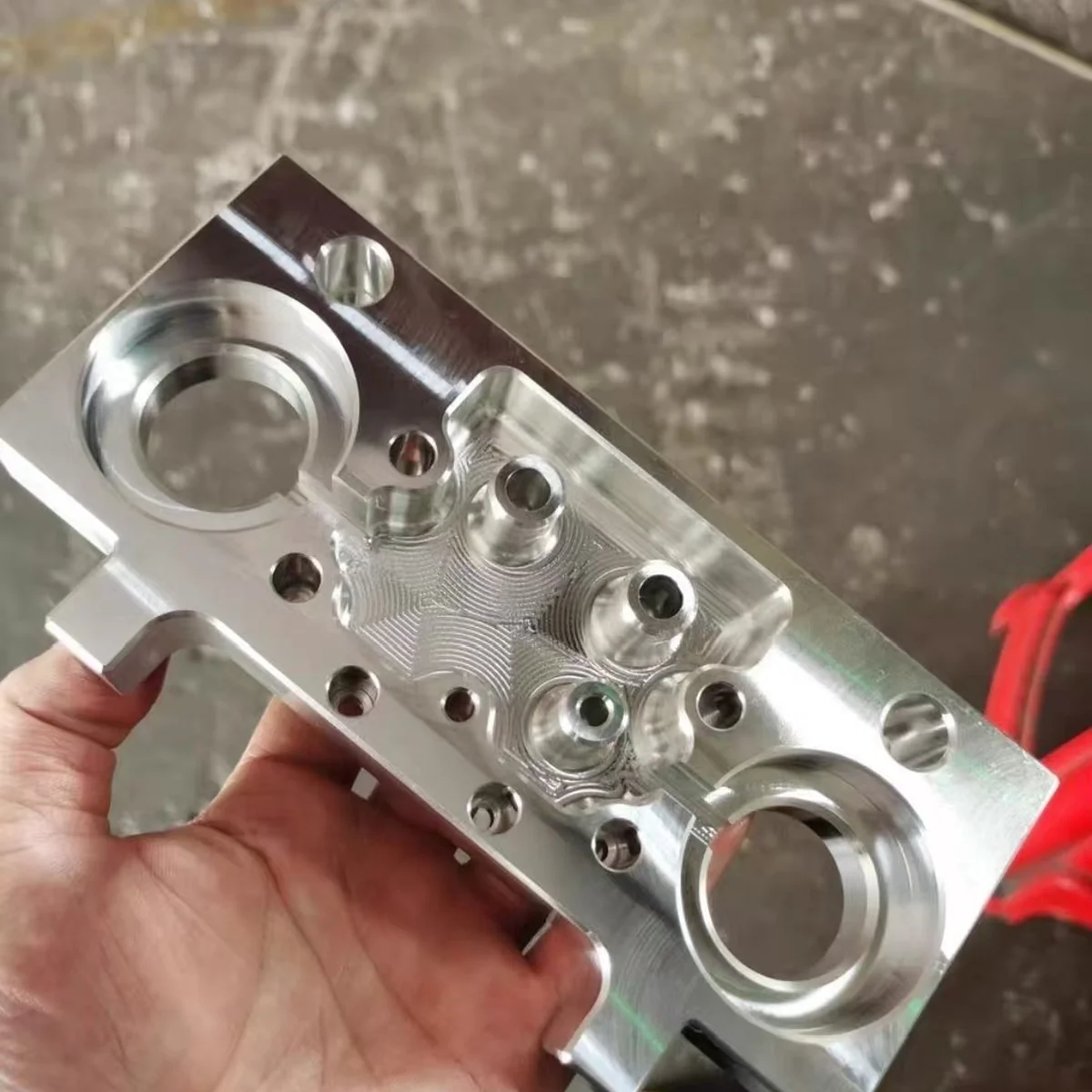
Hydraulic Parts Commonly Remade
| Part | Why it fails | Typical material |
|---|---|---|
| Valve spool & body | Scoring, sticking, internal leakage | Hardened 1045 / 4140, ground |
| Cylinder gland / head | Seal groove wear, corrosion | 4140 steel, ductile iron |
| Piston & rod | Scoring under the seal, pitting | 17-4 PH or hard-chrome rod |
| Manifold block | Cracked ports, stripped threads | Ductile iron, 6061 aluminium, steel |
| Port adapter / fitting | Thread & o-ring face wear | Steel, 304 (1.4301) stainless |
Grey or ductile iron on the old part? The grades, their old DIN, JIS and ASTM names and how to tell the two apart: cast iron vs ductile iron.
We don't remake the elastomer seals — those are standard items we help you cross-reference to a current supplier. We make the precision metal parts the seals run against.
Why Surface Finish Is the Whole Game
A hydraulic part leaks for one of two reasons: wrong dimensions or wrong surface finish. Dynamic sealing surfaces need a controlled Ra 0.2–0.4 µm finish — too rough and the seal wears fast, too smooth and it can't hold a lubricating film. We grind and finish sealing surfaces to spec and verify bore and rod tolerances on a CMM. See our tolerance & inspection capability.
What You Can Still Buy — and What You Can't
| What you need | In the catalogue today? | Route |
|---|---|---|
| Seals, o-rings and reseal kits | Standard items, well stocked | Buy the catalogue part — we help cross-reference the current supplier for free |
| Standard NPT/BSP port adapters, common bore cylinders | Abundant | Buy it off the shelf — cheaper in the catalogue than machined |
| Discontinued spools, glands, pistons, rods, manifolds | The OEM was the only source | Remade from the worn part — geometry plus the sealing-surface finish that makes it work |
Three Ways to Get One
Old Stock / Rebuilders
Worth a quick search of obsolete-parts dealers — but discontinued spools and glands are often unobtainable.
Reseal Kit Only
If only the seals failed, a reseal kit may fix it. If the metal is scored or out of tolerance, no seal will hold — the part itself needs remaking.
Reverse Engineer & Machine
Send the worn part; we reconstruct the geometry, finish the sealing surfaces correctly, and machine a compatible replacement. See reverse engineering.
What to Send Us
Mail the worn part where possible — measuring a sealing bore by hand is unreliable. Include the system pressure and the fluid. No drawing? Start with no-CAD ordering; we confirm every critical dimension before cutting. The approach is the same one we use to replace discontinued pump parts — the difference is that hydraulics live or die on the seal-surface finish.
Upgrade while you're at it. A rod that kept pitting can come back hard-chrome plated; a manifold that cracked can be re-cut in a tougher alloy. A discontinued part is a chance to fix the original weakness.
Neighbouring cases: a discontinued pump part, where the wet end is usually what wore, and what to do when the manufacturer has closed and there is no OEM left to ask.
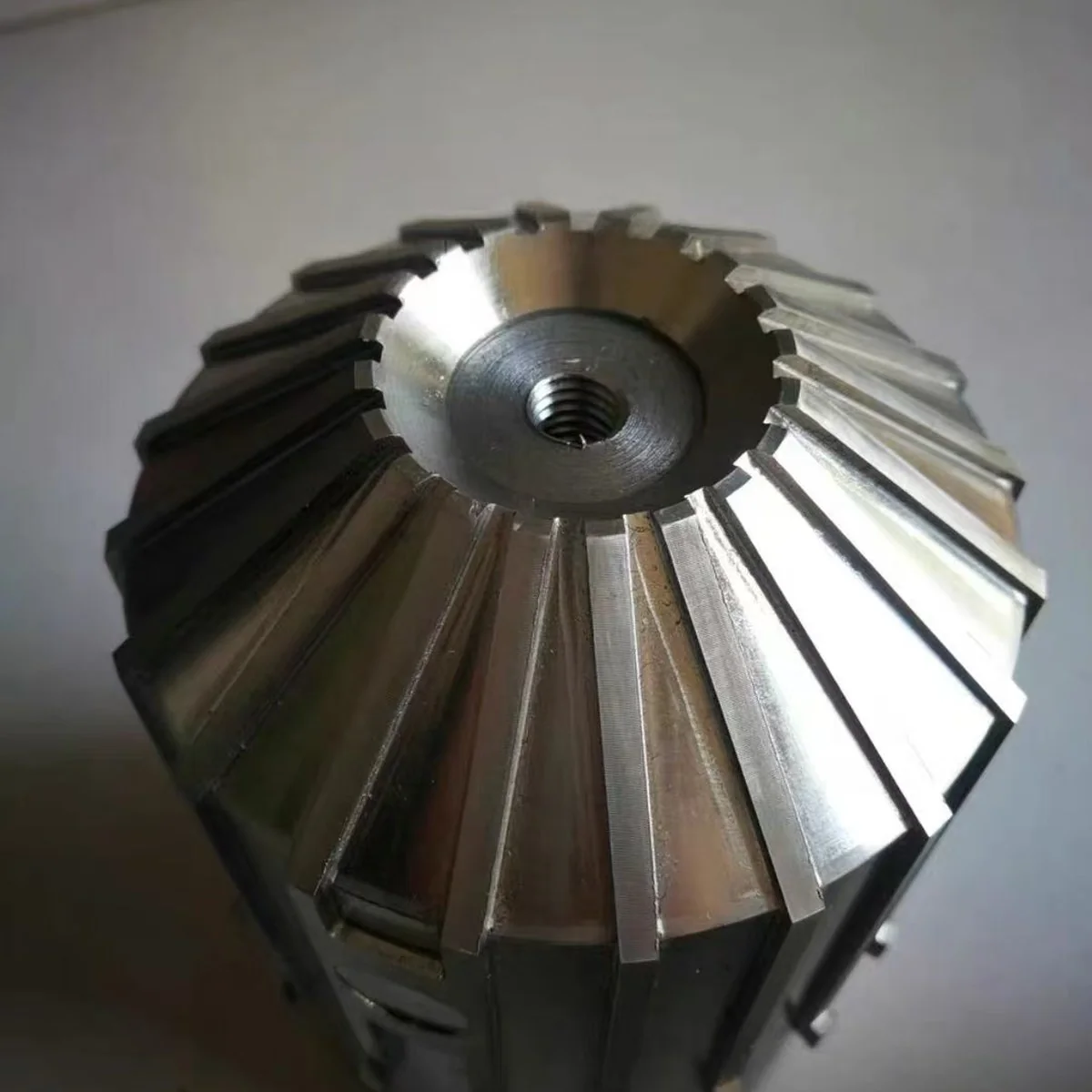
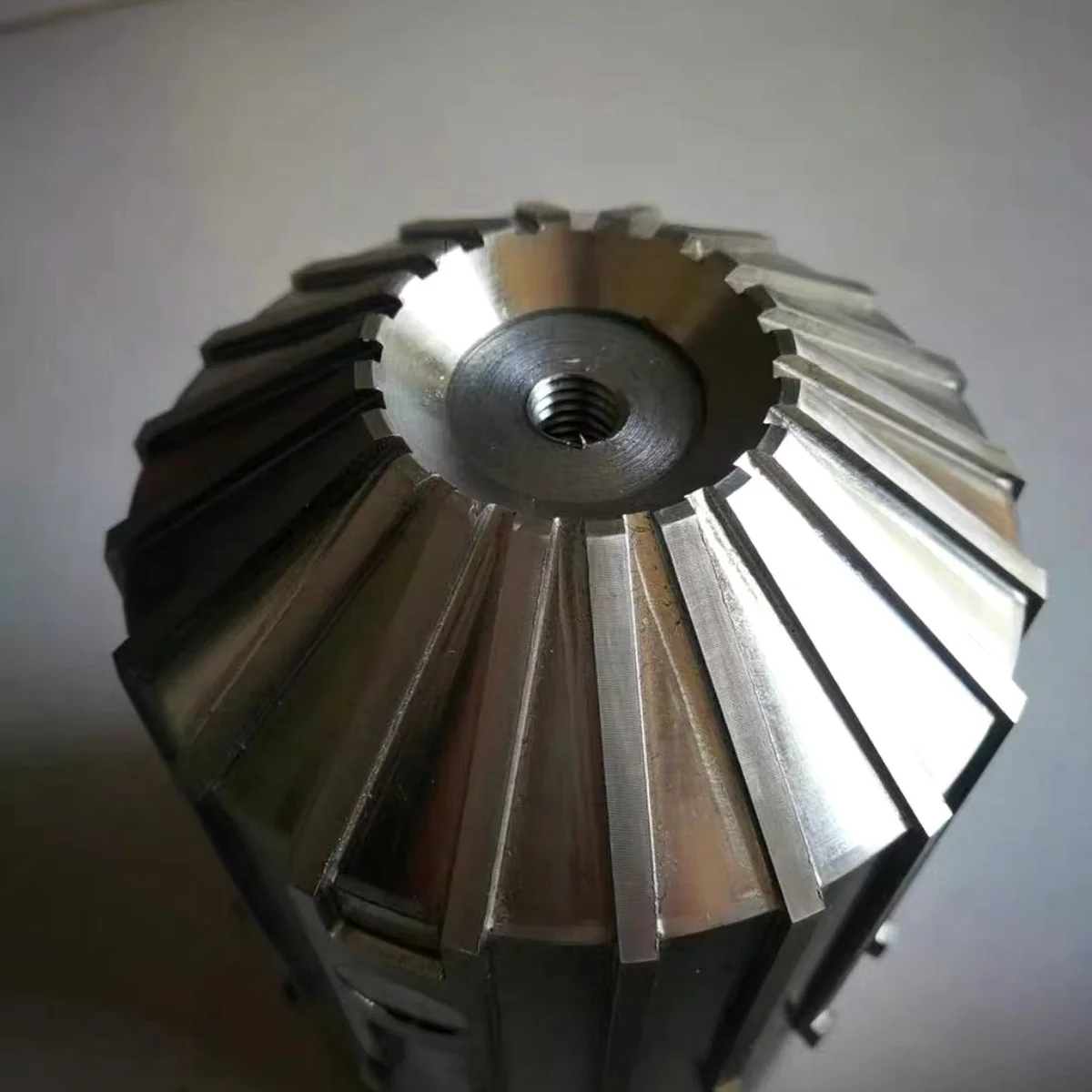
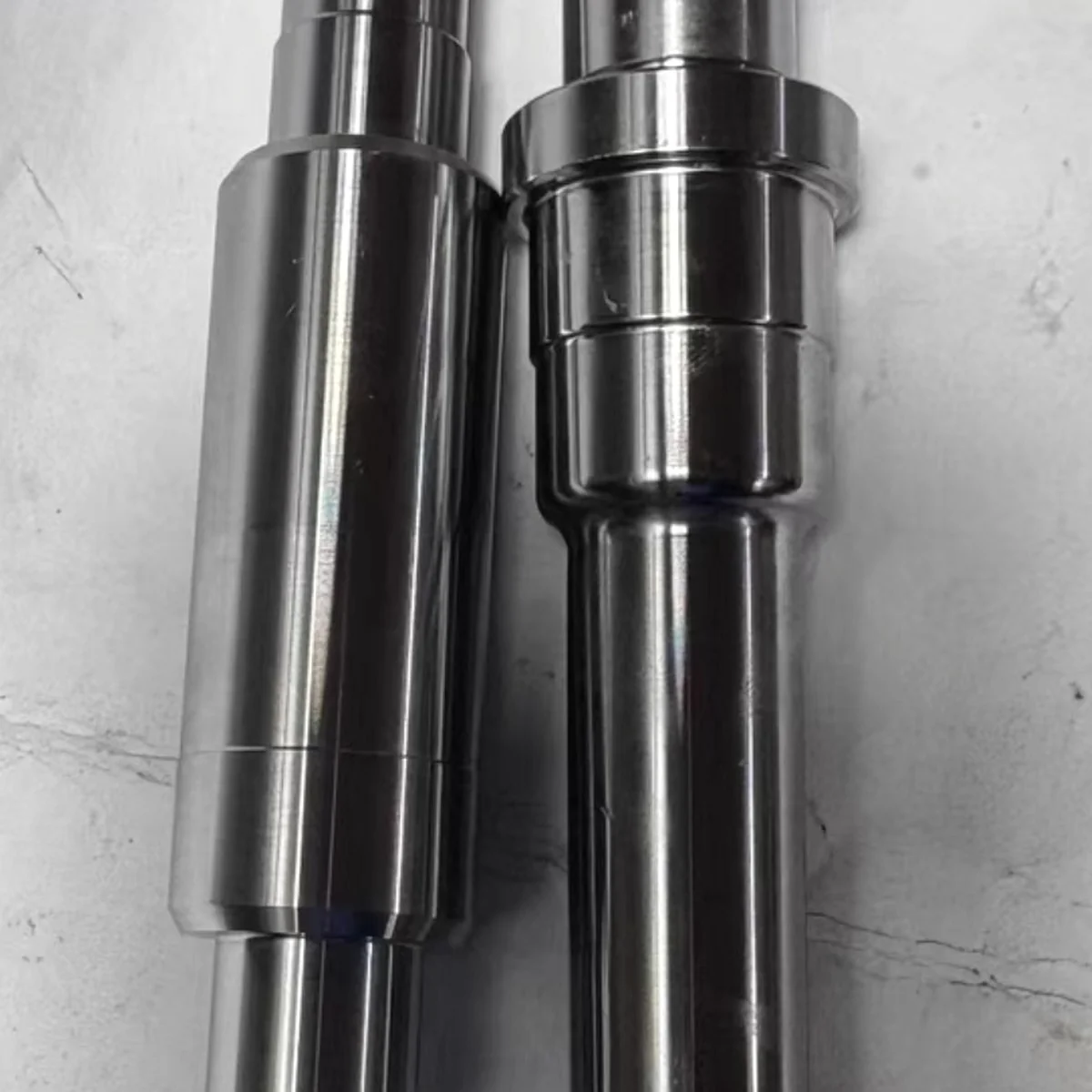
Hydraulic Parts We Have Reproduced
Discontinued, obsolete and unavailable hydraulic parts reproduced from worn originals or drawings:
Frequently Asked Questions
Yes. Sealing comes from dimensional accuracy and surface finish — we machine bores and rods to the right tolerance and Ra (typically 0.2–0.4 µm on dynamic surfaces) and pressure-test critical assemblies.
Valve spools and bodies, cylinder glands and heads, pistons and rods, manifold blocks, port adapters and fittings, and seal housings. Seals themselves are standard items we help you source.
No. Send the worn part or clear photos with key dimensions and the system pressure. We reconstruct and confirm critical sizes before machining.
Commonly 1045/4140 steel for bodies and pistons, 17-4 PH or hard-chrome rod for sealing surfaces, ductile iron or aluminum for manifolds — matched or upgraded to your pressure and fluid.
Quote a Hydraulic Part
Send the worn part or photos + system pressure. Engineers reply within 12 hours.
// Qty & price
1 pc
Sample price
Confirm fit before a run
10–50
Unit price drops
Setup cost shared
100+
Best price
All tiers quoted upfront
- →No distributor — you pay the maker directly
- →CAD saved after first order — reorder anytime at lower unit price
No drawing needed · Files kept confidential