The Knob You Need Is Never the Knob They Sell
Catalogue knobs cover the middle of the market: common diameters, M6/M8/M10 inserts, black plastic. The moment your knob leaves that middle — a fine-pitch or imperial insert on a metric machine, a tapered vintage profile, a diameter that has to clear the knob next to it, or one dead knob in a matched row of four — the search returns nothing usable. Gluing, re-tapping or living with a mismatched knob are the usual endings.
A knob is a small turned part. That makes it a perfect one-off machining job: sketch the profile, tell us how it mounts, and we cut exactly the knob your panel or machine was designed for.
First, the Honest Split: Buy It or Machine It?
- Standard bakelite handwheels and ball knobs in common sizes
- Generic control knobs with M6–M10 inserts, 6 mm D-shafts
- Plastic star and clamping knobs in catalogue threads
- Odd or obsolete insert threads, fine pitches, imperial on metric
- One knob of a matching set — profile and knurl copied
- Vintage profiles no longer made in any material
- Metal upgrade of a plastic knob that keeps breaking
If a $6 catalogue knob fits your machine, buy it — we will say so in the quote. Everything in the right-hand column is what this page is for.
What to Put on Your Sketch
A knob is defined by four things. Cover these and your sketch is complete:
Outside diameter and height, plus the shape — straight, tapered, domed, skirted. A side-view outline drawing is perfect.
Knurled (straight or diamond), fluted, scalloped points or smooth. A photo with a ruler lets us match the pitch.
Threaded insert (size + pitch), plain bore with set screw, or D-shaft / splined bore. Not sure? Send the shaft dimensions or the old knob.
Aluminum (anodised any colour), brass, stainless, or black acetal for the classic dark look. Engraving or index lines optional.
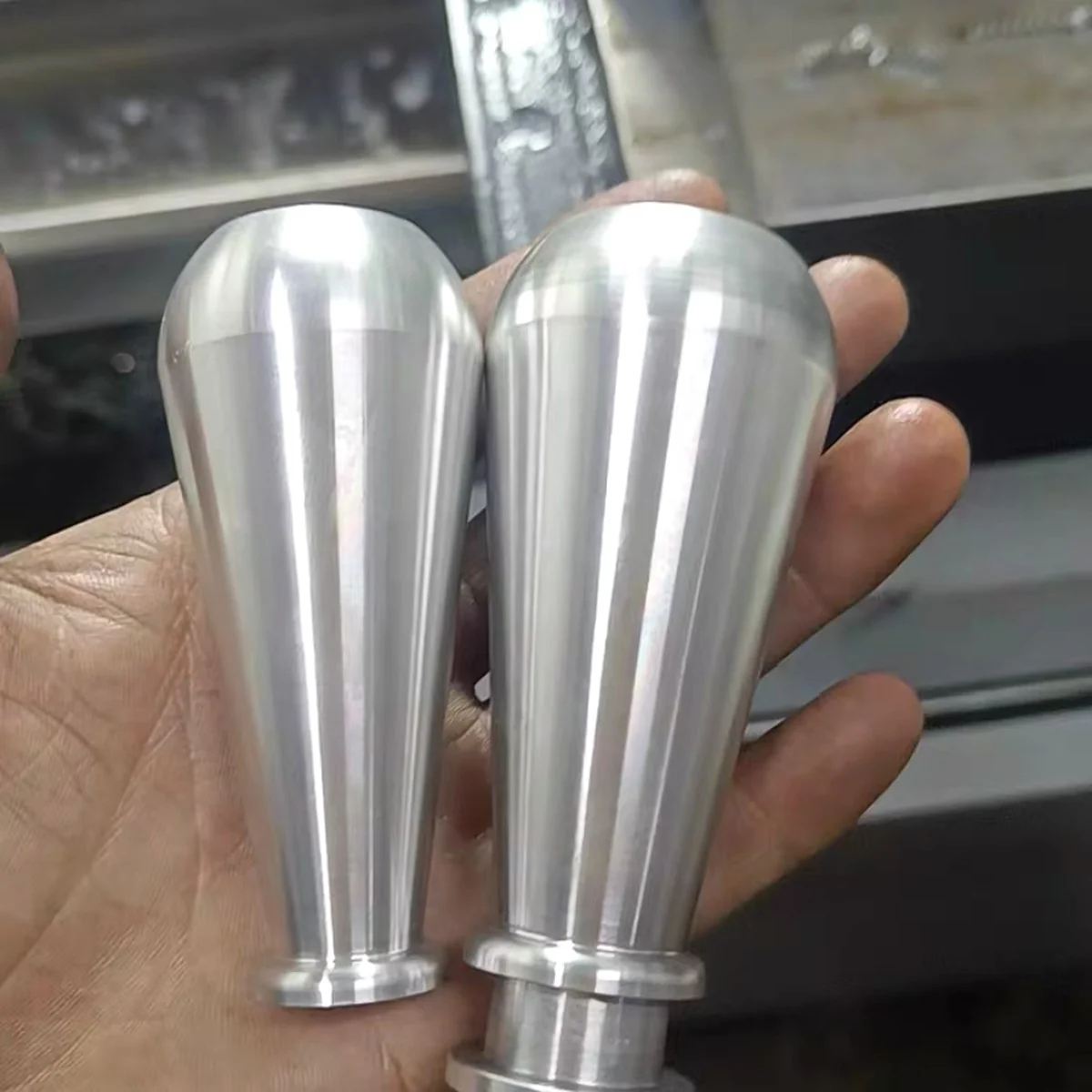
Knobs We Machine From a Sketch
Control & instrument knobs
Panel knobs for test gear, audio and industrial controls — with index line, set screw or collet mount.
Machine & handwheel knobs
Revolving handles, ball knobs and handwheel grips for lathes, mills and presses — including obsolete sizes.
Clamping knobs & thumb screws
Star, fluted and knurled clamping knobs with the stud or insert thread your fixture actually uses.
Shift & lever knobs
Gear lever and valve knobs in brass, stainless or aluminum — threaded to the lever, not to a catalogue.
Matching-set reproduction
One broken knob in a row of four — we copy profile, knurl and finish from a surviving original.
Upgraded replacements
The plastic knob that keeps cracking, remade in aluminum or stainless with the identical mounting.
Match the Set — the Job Catalogues Can Never Do
The hardest knob problem is not finding a knob — it is finding the same knob. On a vintage amplifier, a machine control panel or a row of clamping levers, one obvious mismatch spoils the panel. This is a measuring job, not a shopping job: send us the broken knob and a sharp photo of a surviving one next to a ruler. We measure diameter, height, profile curve and knurl pitch from the intact original, machine the copy, and confirm the pattern with you before cutting. Where the original material no longer exists (bakelite, for instance) we machine black acetal or anodised aluminum and tell you honestly how close the look will be.
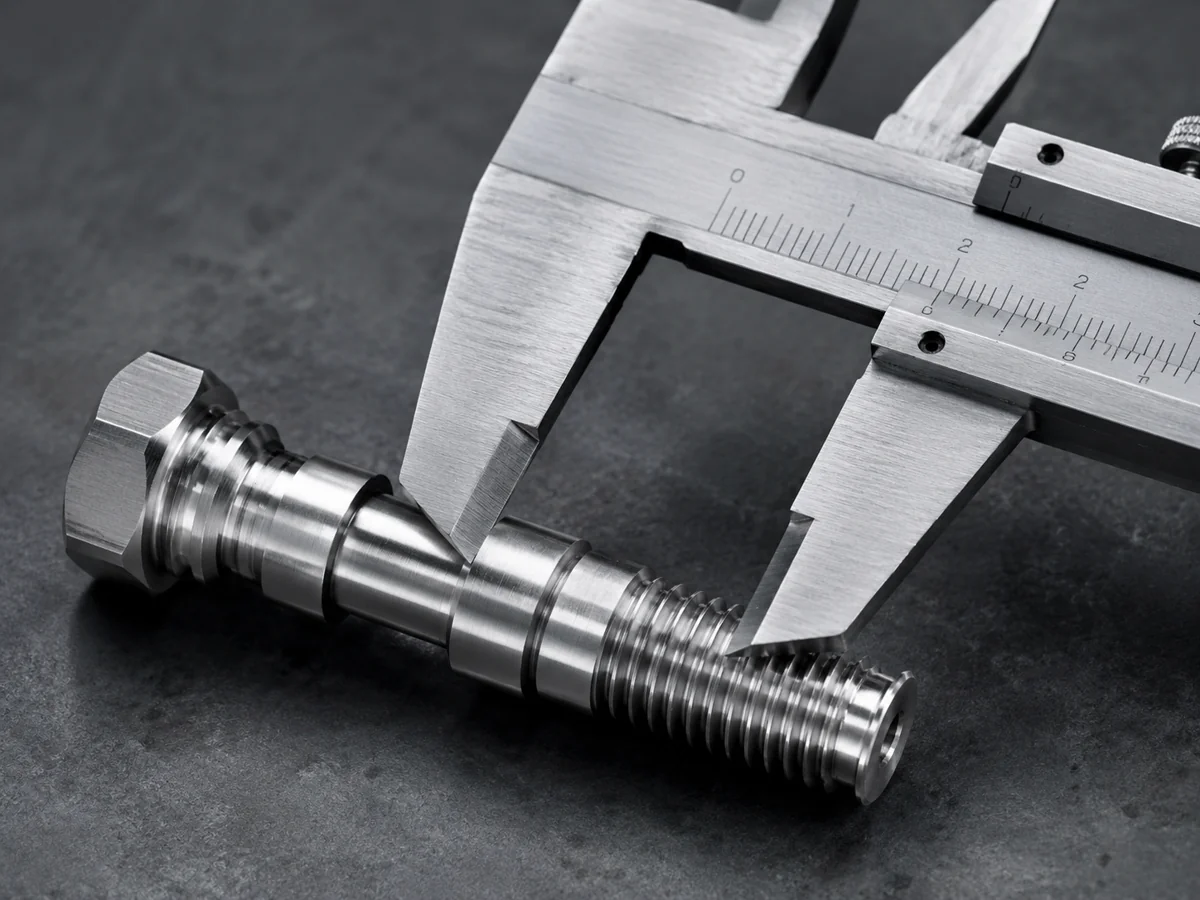
No drawing at all? The old knob itself is the best drawing there is. Mail it to us — we measure everything, including the worn bits you cannot see, redraw it as CAD for your approval, and machine the new one. That is our standard from-a-sample workflow.
Materials & Finishes
| Material | Best for | Notes |
|---|---|---|
| Aluminum 6061 | Control panels, audio, machine grips | Anodised black, clear or colour; engraves cleanly |
| Brass | Vintage looks, marine, decorative | Polished or aged; heavy, quality feel in the hand |
| Stainless 303/316 | Food, chemical, outdoor equipment | 316 where washdown or salt is involved |
| Acetal (Delrin), black | Bakelite-era replacements, insulation | Closest modern stand-in for classic dark knobs |
Knurling is cut straight, diamond or cross-hatch in standard pitches; index lines and simple engraving are available. Threaded inserts are cut directly into metal knobs — no glued-in inserts to work loose.
Frequently Asked Questions
Yes. Sketch the profile with outside diameter, height, grip style and how it mounts — thread size, plain bore with set screw, or D-shaft. We redraw it as CAD for free, send it for approval, then machine it. No CAD software needed on your side.
Yes — one of our most common knob jobs. Send the broken knob plus photos of the survivors. We measure profile and knurl pitch from an intact original and machine a match, confirming the pattern with you first. On vintage equipment we say honestly where a material difference will show.
Yes. Measure the shaft it mounts on, or simply mail the old knob — we gauge the thread or bore on our end and machine the new knob to fit. Metric, imperial and obsolete threads are all machinable.
Usually yes. We cut straight, diamond and cross-hatch knurls in a range of pitches. A sharp photo with a ruler next to the grip is enough for us to pick the closest pitch, and we confirm before machining a set.
MOQ is 1 with no setup fee. A one-off costs more than a catalogue knob — you pay for the knob that actually fits and matches. Simple turned knobs are modest money; complex profiles cost more. All tiers are quoted upfront, and reorders are cheaper because your CAD stays on file.
Related: all hand-drawing & sketch machining · thread adapters from a sketch · spacers & bushings from a sketch · order with no CAD · CNC turning
Get a Free Quote
Sketch, photos or the old knob — we reply within 24 hours.
// Qty & price
1 pc
Sample price
Confirm fit before a run
3–10
Unit price drops
Setup cost shared
10+
Best price
All tiers quoted upfront
- →No distributor — you pay the maker directly
- →CAD saved after first order — reorder anytime at lower unit price
Response within 24h · Drawings kept confidential