The Metal Parts We Machine Every Week
EKINSUN is a CNC machining factory in Guangdong, China — parts ship worldwide, and most orders are one to a few hundred pieces. The shapes below cover the bulk of what crosses our benches. If yours isn't listed, that usually just means it doesn't have a catalog name yet — quote it anyway.
Bolts, studs, nuts and washers in odd sizes, threads and materials
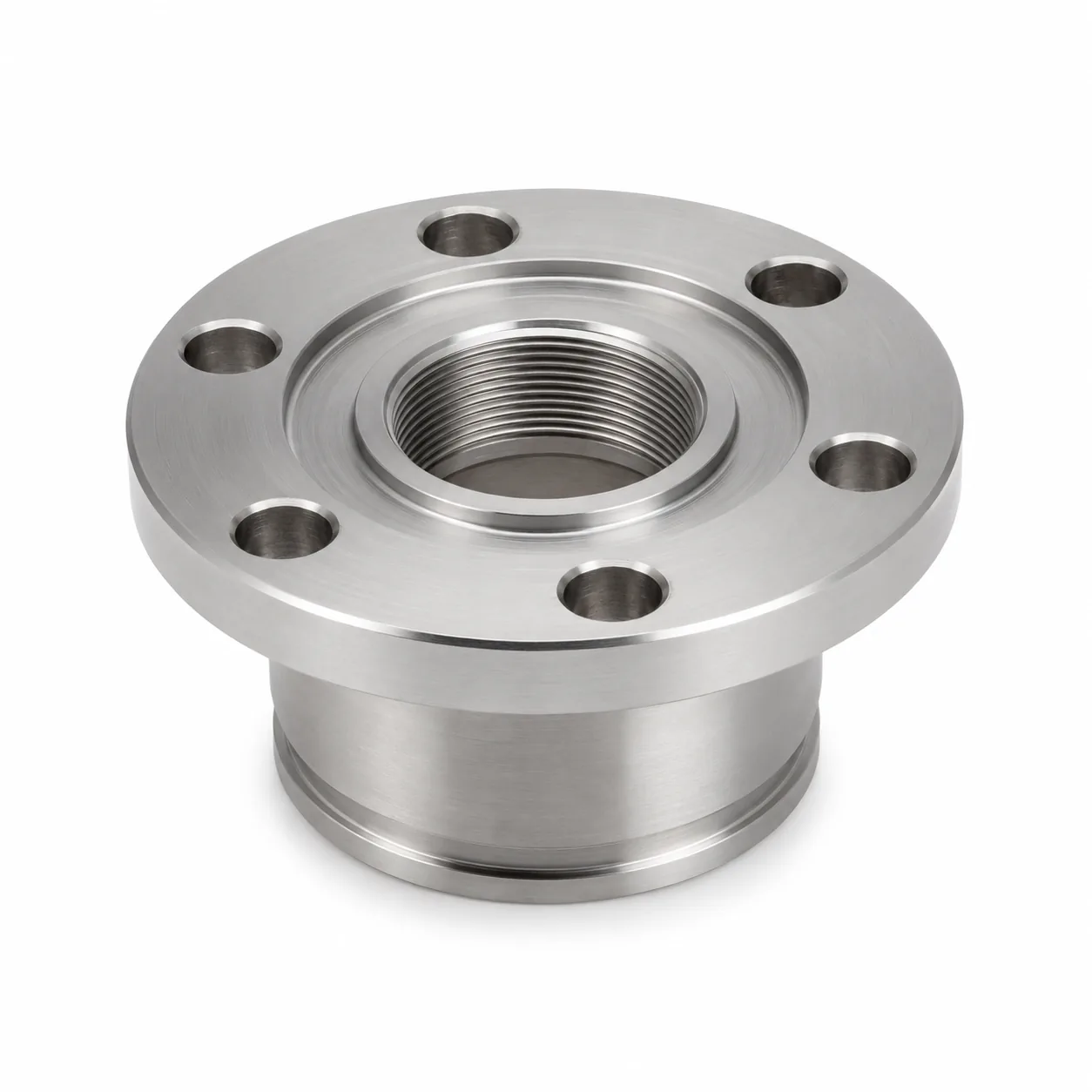
Thread adapters, hex nipples, gauge and flange adapters
Plain, stepped, shoulder and flanged — any OD/ID/length
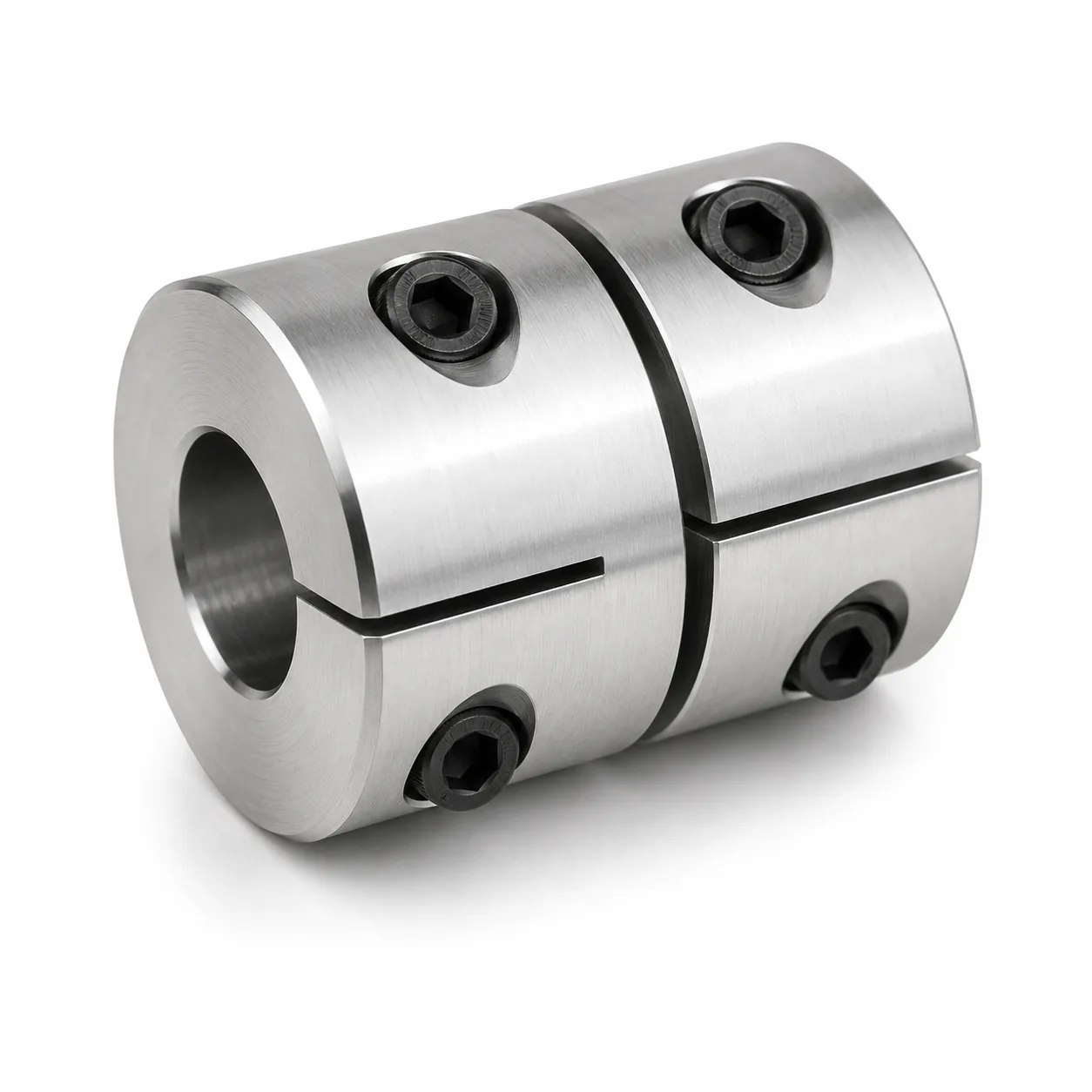
Stepped shafts, keyed shafts, dowel and clevis pins
Milled mounting brackets, base plates, sensor mounts
Worn, broken or discontinued metal parts, copied from a sample
Which Metal? A Working Shortlist
Most custom metal parts fail or overspend at material selection, not machining. This is the shortlist we quote from — and what each metal is good at:
| Metal | Grades we stock | Choose it when |
|---|---|---|
| Aluminum | 6061-T6, 7075-T6 | 6061 for light, corrosion-resistant everyday parts — brackets, spacers, housings. 7075 when an aluminum part must carry near-steel loads: fixtures, aerospace-style fittings, stressed brackets. |
| Stainless steel | 303, 304, 316L | 303 machines fastest — high-volume turned parts with no welding. 304 is the all-round choice for wet, outdoor and food-adjacent service. 316L for salt water, chemicals and washdown environments. |
| Carbon steel | 12L14, C45 | The budget workhorses. 12L14 for fast-machining indoor parts, C45 where you need ~8.8-class strength — both usually finished in black oxide or zinc against rust. |
| Alloy steel | 42CrMo4 (4140) | Quenched and tempered for shafts, tie bolts, gears and anything that sees shock or fatigue load. 10.9-class strength with 3.1 material certificates available. |
| Brass | C360 | Fittings, valve parts, electrical and decorative parts — machines beautifully, never rusts, naturally low-friction. |
| Bronze | C932 / CuSn8 | Wear parts: bushings, thrust washers, wear plates and nuts running against steel shafts. |
| Titanium | Grade 5 (Ti-6Al-4V) | When weight and strength both matter, or the part lives in an aggressive environment — at a price, so we'll tell you when 7075 or 316 does the same job. |
Not sure? Say what the part does and where it lives — "outdoor hinge pin, sea air, replaced yearly" beats a material spec. We quote the metal that fits the job, and flag it when a cheaper grade would survive just as long. Plastics (POM, PEEK) sometimes beat metal — we machine those too.
How Your Part Gets Made
Every part starts as bar or plate, not a casting — so there is no mold, no die, and no tooling charge. Round and rotational parts are CNC turned; prismatic parts, flats and hole patterns are CNC milled; internal corners and hardened features go to EDM. Threads are cut, not rolled, and checked with go/no-go gauges.
- Tolerances — ISO 2768-m by default; ±0.01 mm on turned fits and ±0.02 mm on milled features where the drawing demands it
- Finishes — anodizing (clear, black, color) for aluminum; black oxide or zinc for carbon steel; passivation and bead blast for stainless; plain machined for bronze and brass
- Paperwork — when the job needs it: dimensional inspection reports, plus 3.1 certificates traceable to the bar heat
What Actually Drives the Price
Nobody publishes real numbers for custom work, so here is the honest version — the four levers that move a metal part's price, in order:
Setup dominates a one-off. Piece two to fifty shares that setup, so unit price falls fast — a part that costs X alone is often X/3 at ten pieces. We quote 1 / 10 / 50 tiers upfront so you see the curve.
±0.1 mm is machining as usual. ±0.01 mm means slower cuts, more measurement and sometimes grinding. Tolerance only the surfaces that mate with something — it's the cheapest engineering decision you'll make.
12L14 steel and 6061 cut fast and cheap. 316 and titanium cut slowly and cost more per kilo — but material is usually a smaller lever than quantity and tolerance unless the part is heavy.
Every extra setup — a cross-hole, a milled flat on a turned part, an internal thread — adds handling. A part that needs one chucking is cheap; five setups aren't.
Common Orders, Real Situations
- The catalog size doesn't exist — an M27 spacer with a 32 mm bore, a flange with a non-standard bolt circle. Catalogs stop; machining doesn't.
- The original is worn out or discontinued — send the old part; we measure it and make it again, often in a better grade than the original.
- A prototype needs to become ten units — same drawing, shared setup, lower unit price, consistent inspection.
- Stainless instead of plated steel — coastal and washdown installations that keep eating zinc-plated hardware get one 316 version that stops the cycle.
Flat metal parts cut from sheet: laser cutting thickness and tolerance chart · laser-cut plates with holes, slots and cutouts · laser-cut shims and washers · bend radius chart.
Flat parts with hole patterns, from mounting plates to fixture plates, are on custom machined plates.
Frequently Asked Questions
Yes. A dimensioned hand sketch, a photo with key measurements, or the physical part is enough. We turn it into a production drawing, confirm it with you before cutting, and keep the file for reorders.
One piece. No mold or die means no minimum — a single spacer or flange is a normal order, and the saved drawing makes repeats cheaper.
Describe the job, not the spec: 6061 for light general parts, 7075 for loaded aluminum, 304 for wet service, 316 for salt and chemicals, 12L14/C45 for cheap strong indoor steel, 42CrMo4 for shafts and high loads, brass for fittings, bronze for wear, titanium when weight and strength both matter. We confirm at quoting.
ISO 2768-m standard; ±0.01 mm on turned fits and ±0.02 mm on milled features where it matters, with inspection reports on request.
Yes — anodizing, black oxide, zinc, passivation and bead blasting, so parts arrive finished from one supplier.
Yes — post the old part (broken is fine) or share photos plus the key dimensions. We take the geometry from what you send, agree the drawing with you, then machine the new one.
Get Your Metal Part Quoted
Drawing, sketch, photo or sample. Engineers reply in 12h.
// Qty & price
1 pc
Sample price
Confirm fit before a run
10–50
Unit price drops
Setup cost shared
100+
Best price
All tiers quoted upfront
- →No distributor — you pay the maker directly
- →CAD saved after first order — reorder anytime at lower unit price