Why Low Volume CNC Matters
Most CNC factories optimize for high-volume production. Setup time is amortized over thousands of pieces, and small orders disrupt their production flow. As a result, many shops add significant surcharges to orders under 100 pieces — or refuse them.
EKINSUN has structured our operation differently. Small batch CNC machining and prototype machining services are a core line of work here, not an interruption to it — prototypes, first articles and short runs make up a significant share of what we ship. We have the engineering support (drawings, DFM review, material selection) and the flexibility to run 1-piece jobs alongside our production batches.
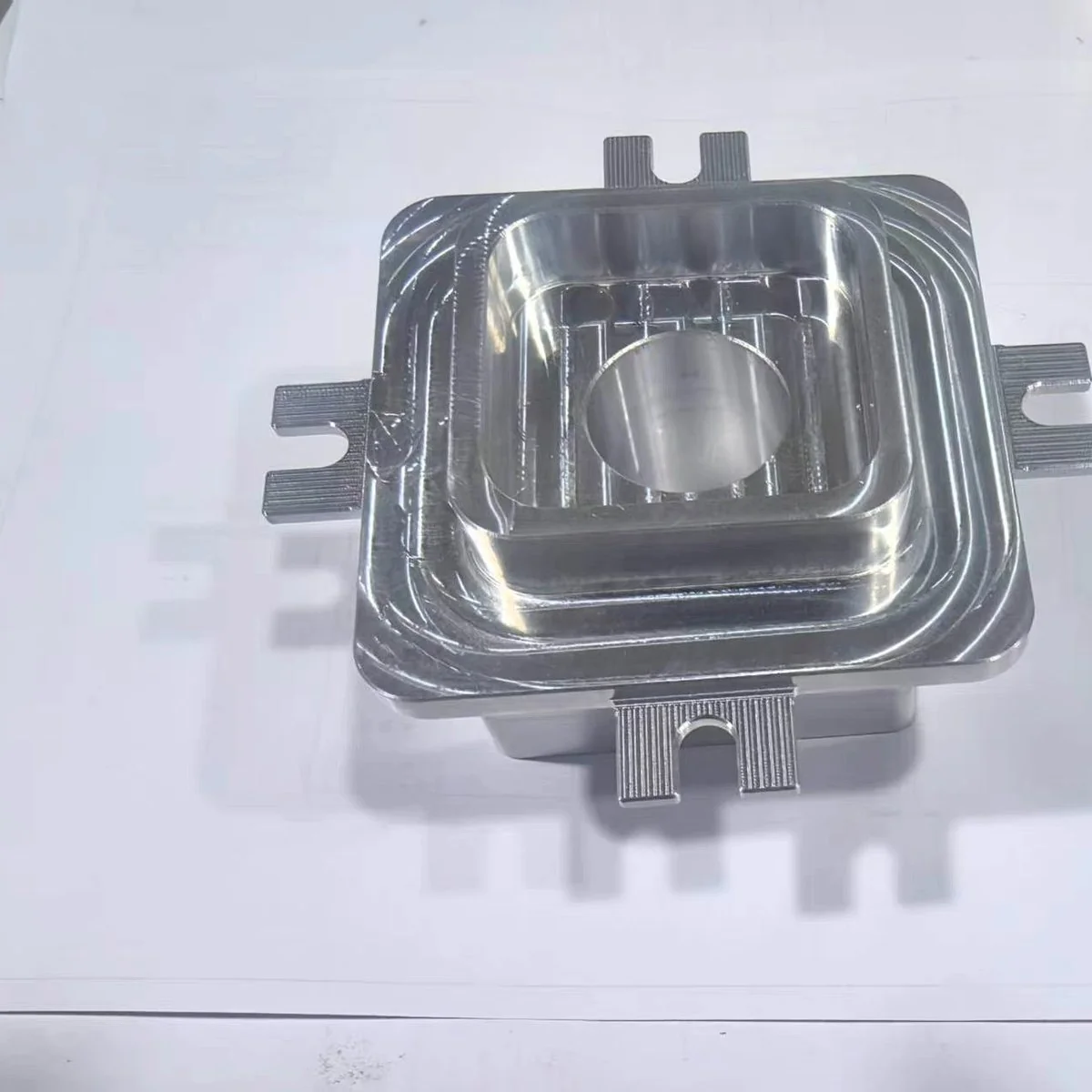
What We Mean by Low Volume
| Category | Quantity | Typical Use | Lead Time |
|---|---|---|---|
| Single prototype | 1–3 pieces | Design validation, fit check, investor demo | 5 working days |
| Trial batch | 5–20 pieces | Field testing, engineering samples for clients | 7–18 days |
| Small production | 20–100 pieces | Initial market launch, spare parts stock | 15 working days |
| Low-volume production | 100–500 pieces | Established product, small market | 15 working days |
Prototype CNC Milling, Turning & Small-Batch Runs
The same shop covers the whole low-volume range, so you don't have to split a job across vendors. Send the part and we route it to the right process:
- Prototype CNC milling — 3- and 5-axis milling of brackets, housings, plates, manifold blocks and enclosures from a single piece
- Prototype CNC turning — shafts, bushings, adapters, spacers and fittings turned to your drawing, one-offs included
- Small-batch CNC machining — 5 to 100 pieces with tooling and setup shared across the batch, so the per-unit price drops as quantity rises
- Low-volume production — 100 to 500-piece runs without high-volume tooling investment
Because we run prototypes and small batches alongside production, your few pieces aren't a disruption we penalize — they're normal work. That is why there are no setup fees on standard parts and no minimum order.
Prototype Support Included
When you order a prototype, you get more than machined metal. We include:
- DFM review — we flag features that are expensive to machine, difficult to hold in tolerance, or prone to distortion, before cutting material
- Material advice — if your drawing says "aluminum" but doesn't specify a grade, we advise based on your application requirements
- Free CAD redraw — if you send a hand sketch, we draw it in CAD and send back for approval at no extra charge
- Dimensional report — for first prototypes, we include CMM measurements so you can verify the part against your specification
What Makes Small Orders Viable
Work runs through qualified manufacturing partners with short setup times and an established fixturing library. For turned parts under Ø100mm, setup is typically under 30 minutes; milled parts use modular fixturing that cuts setup on repeat geometries.
Common materials (6061-T6, 7075-T6, 304, 316L, C36000 brass, 1045 steel) are held in stock, so for standard grades your prototype does not wait on material procurement.
What You Are Actually Paying For
Machining cost splits into two blocks, and confusing them is the reason quotes surprise people. One block is paid once no matter how many pieces you order; the other is paid on every piece.
| Paid once per order | Paid on every piece |
|---|---|
| Reading the drawing, or measuring your sample and rebuilding the print | Machine time on the part |
| CAM programming and toolpath proving | Material consumed |
| Fixturing and workholding | Deburring and finishing |
| Machine setup and the first-article check | Inspection per piece |
Three consequences follow, and two of them surprise people:
- A small part is not ten times cheaper than a large one. Setup barely changes with size — only material and cycle time do.
- The second piece is much cheaper than the first. Setup is already paid. This is the single most useful fact when deciding how many to order.
- The curve flattens fast. Going 1 → 10 divides setup by ten. Going 100 → 200 barely moves the unit price at all.
How Many to Order — What Each Quantity Is Actually For
| Quantity | What it is for |
|---|---|
| 1 | Prove the fit. One piece into the machine or assembly answers questions no drawing review will |
| 2–10 | The steepest part of the whole curve. The second piece costs a fraction of the first — and a spare on the shelf means the next failure is not another shutdown |
| 10–50 | Equipping a line, or a fleet of identical machines. Also the point where paying for a proper inspection routine starts to pay back |
| 50–200 | A year of consumption held in stock. Freight per piece drops as much as machining does here |
| 200+ | Machining cost is close to flat. This is where the question stops being "how many" and becomes "is machining still the right process" — see below |
When Machining Stops Being the Right Process
Machining is not the cheapest way to make everything, and past a certain volume it stops being the honest recommendation. We would rather say so than quote a job that belongs somewhere else.
| Part type | Machining makes sense until roughly | Then move to |
|---|---|---|
| Plastic parts, stable geometry | A few hundred a year | Injection moulding — the mould cost disappears into the volume |
| Simple small turned parts, frozen design | A few thousand | Swiss automatics / high-volume screw machines, or a dedicated turning house |
| Standardised fasteners and bolts | Around a thousand | Cold forming — but the die has to be cut and amortised first |
| Complex housings and bodies in volume | Low thousands | Casting or forging, then finish-machined |
| Non-standard, complex, or still changing geometry | Stays in machining at any volume. Tooling only pays back on a design that has stopped moving | |
Tooling is the whole reason these thresholds exist. A mould or die must be cut before the first piece — typically four to six weeks and a cost that only makes sense spread over a committed annual volume. Machining has no such step, which is why it owns the early part of a product's life and hands over later.
Four Levers That Move Price as Much as Quantity
All four are decided while the drawing is being made. After that it is too late and they are locked in.
| Lever | What it does to the price |
|---|---|
| Tolerance | Going from ±0.1 to ±0.01 can add a grinding operation and move the part into a different price bracket. Tolerance every feature tightly and you pay for all of them |
| Surface finish | A fine finish means slower passes or a secondary operation. Specify it where it is functional, not everywhere |
| Material | 316L cuts far slower than aluminium and costs more per kilo. Titanium more again. The grade choice is often worth more than the quantity choice |
| Certification and documentation | Material certificates, full dimensional reports and traceability are all real work. Ask for them where they are needed and the price reflects it |
The most expensive habit we see: a drawing copied from an older part, carrying tight tolerances everywhere because nobody remembers which one mattered. Tell us which feature is critical and why, and the rest can be opened up — often for a large saving with no functional change.
Ordering Your First Prototype
- Send drawing (any format — hand sketch, PDF, STEP, DXF)
- Specify material, quantity, and any critical tolerances
- We quote within 12 hours with lead time
- 50% deposit to start, 50% before dispatch
- CMM report included for first article
- DHL Express worldwide — 5–7 working days to USA/EU
Still weighing the quantity itself? The CNC, 3D printing and injection moulding comparison puts the crossover points side by side, and the grades we cut are listed on materials we machine.
Low-Volume Work From Our Manufacturing Network
Prototype and small-batch orders — from single pieces to short runs:
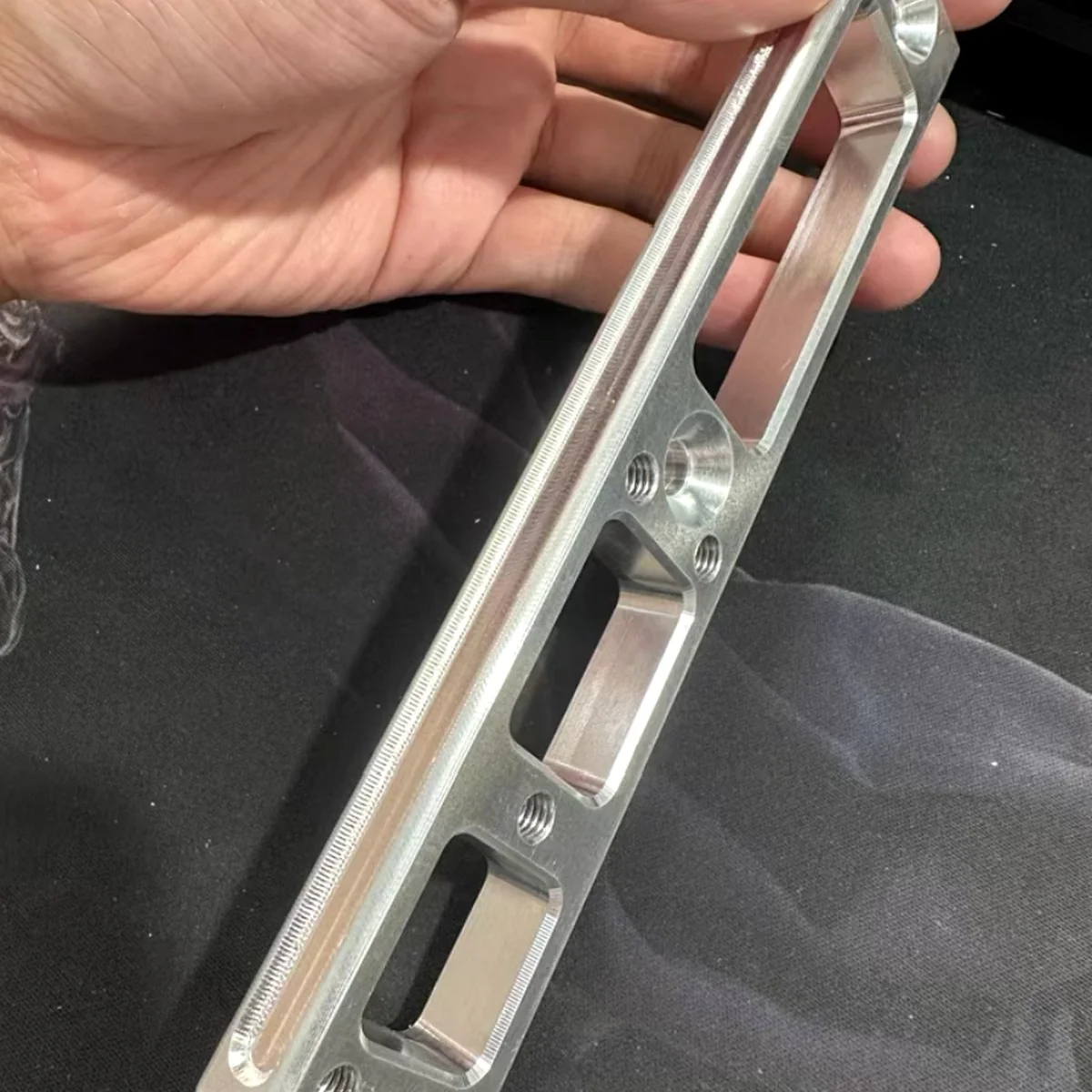
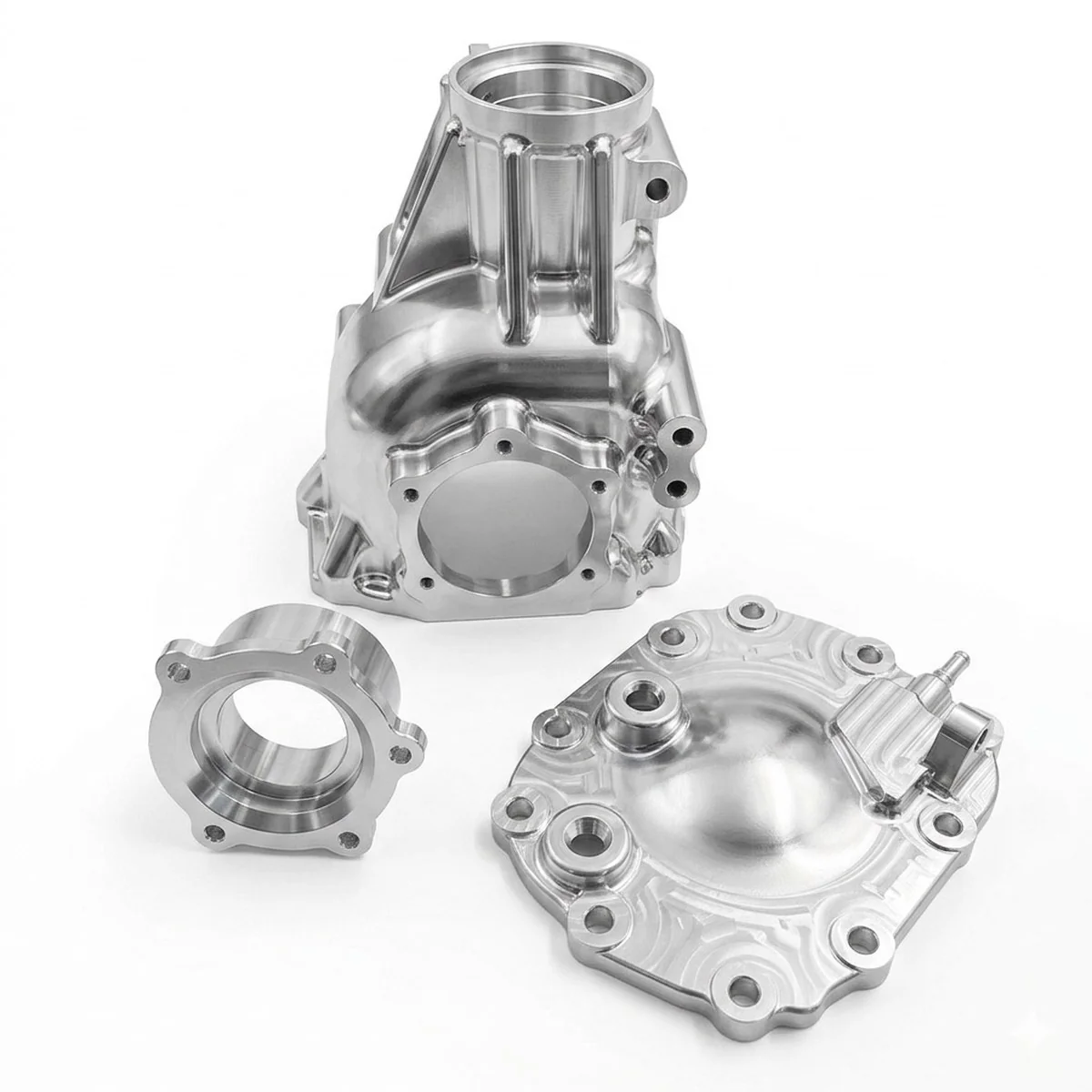
// Proof your part is right
A prototype is only useful if you can trust it. On request, every order ships with:
- Material certificate (EN 10204 3.1) for the stock we machined — verify it's 6061-T6, 316L, etc.
- CMM dimensional report on the first article, measured against your drawing
- Machined in an ISO 9001 shop (ISO 13485 for medical parts)
- DFM review before cutting, so problems surface on screen, not on the part
Get a Quote on Your Low-Volume Part
Give us the essentials for a fast quote. Send your drawing or sketch to [email protected] (STEP, DXF, PDF or a photo) or via WhatsApp.
For sheet-metal parts the route by quantity, laser at 1 to a few hundred and a stamping die above, is on laser cutting thickness, tolerance and route chart.
Frequently Asked Questions
Yes. Small batches of 5 to 100 pieces are core work. We share tooling and setup across the batch, so the per-unit price drops as quantity rises — with no minimum order on standard parts.
One piece. We machine single prototypes by CNC milling and turning with no setup fee on standard parts. Lead time for a 1-piece prototype is typically 5 working days.
Yes — from 100 to 500 pieces and beyond. We keep common materials in stock and use modular fixturing, so low-volume runs go ahead without high-volume tooling costs.
No setup fees on standard parts. Complex parts needing custom fixturing may carry a one-time fixturing cost, which we state up front in the quote — never as a surprise.
Yes. We accept hand sketches, photos, PDF drawings, and any CAD format. For sketches we redraw in 3D CAD and send back for approval before machining, at no extra charge.
Yes. On request we supply a material certificate (EN 10204 3.1) for the stock used and a CMM dimensional report verifying the parts against your drawing.