Article Contents
Why So Many Parts Are Unmarked
Internal components rarely carry a readable part number. Markings wear off, get painted over, or were never there — the number lived in a manual that's long gone. So you're left holding a part that does a job, with no obvious way to order another.
The good news is that the same detective work that identifies a part is also everything needed to reproduce it. Even if you never put a name to it, you can still get a new one made.
Four Clue Types, Worked in Order
| Clue | What to look for | What it tells you |
|---|---|---|
| Markings | Stamped numbers, casting marks, logos, date codes | Possible part number or maker — search it |
| Measurements | OD, ID, length, thread, bearing/bore sizes | Often matches a standard component size |
| Function & context | Where it sat, what it touched, how it moved | Narrows it to a part family (bushing, spacer, valve…) |
| Material | Magnet test, colour, weight, finish | Steel vs stainless vs aluminium vs brass |
A standard bearing, seal, or fastener will usually surface from the measurements alone. A bespoke machined part won't — and that's the moment to stop hunting and start reproducing.
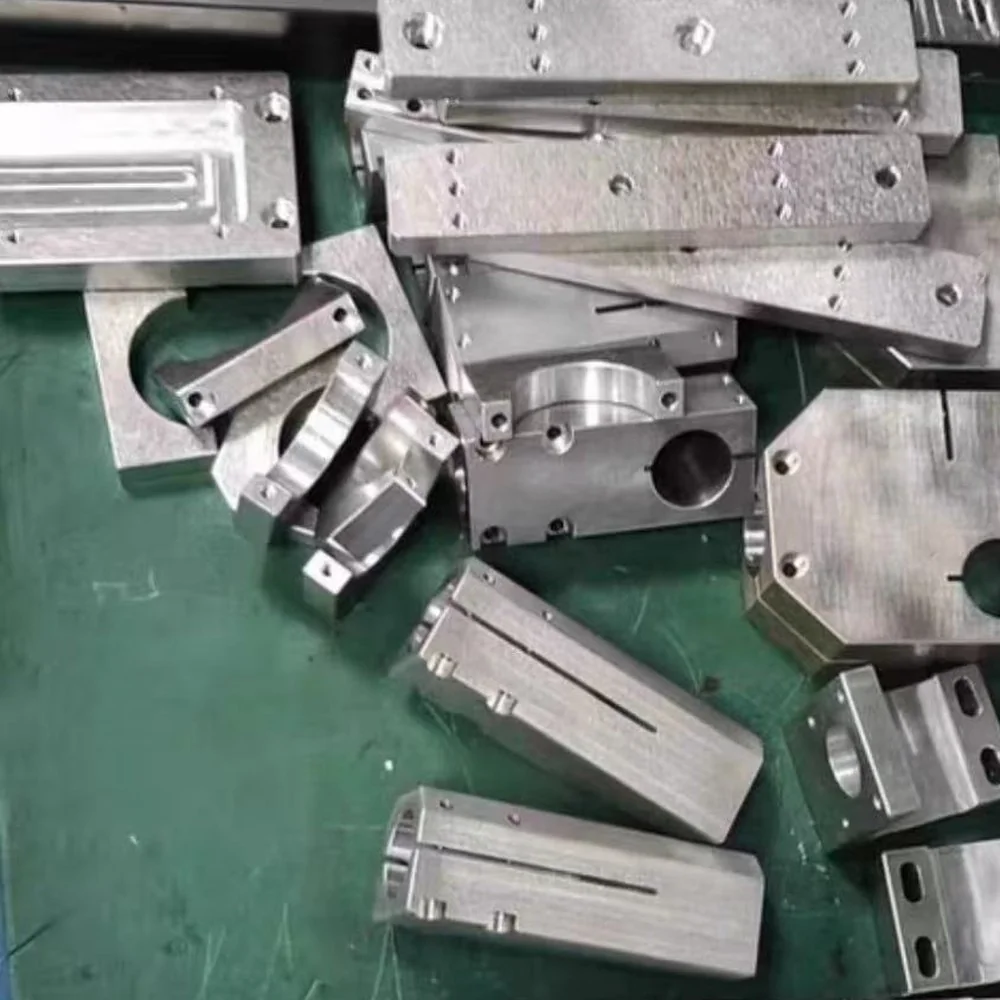
Standard Part vs Bespoke Part
- If it's a standard component (bearing, seal, off-the-shelf fastener) — your measurements should match a catalogue size; buy a current equivalent.
- If it's a custom machined part — there's no catalogue to match. Reproduction is the only route, and it doesn't need an ID.
The Shortcut: Reproduce It Without Identifying It
This is what most people don't realise: you never have to name a custom part to replace it. If you have the part (or clear photos with one reference dimension), we measure it, model it, and machine a copy. No brand, no part number, no manufacturer required. That's the heart of reverse engineering, and you can start through our no-CAD ordering route.
Spend ten minutes identifying, then move on. A quick check for markings and standard sizes is worth it. But if the part is bespoke and obsolete, hunting for an ID is wasted time — send it to us and we'll quote a copy. See how to get a part made from a photo.
If the maker itself has gone, what to do when the manufacturer is out of business covers the same job with no OEM left to ask.
Frequently Asked Questions
Work through markings, measurements, function/context, and material in that order. A standard component usually surfaces from its size; a bespoke part won't — and that's when reproduction is the answer.
You don't need to. Identification only matters for buying new. If it's discontinued, we reproduce it directly from the part — no name or number required.
Sometimes, for common standard parts. Either way we can reproduce it whether or not it's identified — send photos with one reference dimension for a quote.
A magnet separates steel from stainless, aluminium and brass; weight and colour narrow it further; a hardness or spark test confirms steel grades. For a replacement we recommend a suitable material by function — you needn't pin down the exact original alloy.
Send Us the Mystery Part
Can't ID it? We can still copy it. Photos + one dimension is enough to start. Reply in 12h.
// Qty & price
1 pc
Sample price
Confirm fit before a run
10–50
Unit price drops
Setup cost shared
100+
Best price
All tiers quoted upfront
- →No distributor — you pay the maker directly
- →CAD saved after first order — reorder anytime at lower unit price
No ID needed · Files kept confidential