// Read this before using any number on this page
If you are working on a brake or clutch hydraulic system, stop and use the vehicle or component manufacturer's published figure. Nothing on this page is a substitute for it. An under-torqued banjo bolt weeps brake fluid; an over-torqued one snaps at the port. Both end the same way.
This page does not publish a recommended torque table. It explains why no single table can be correct, reproduces only figures that have a traceable published source, and describes the method used on industrial hydraulic equipment where no specification survives.
The Washer Sets the Torque, Not the Bolt
A normal bolted joint works by preload. You apply torque, the bolt stretches, the stretch produces clamp force, and the familiar relationship T = K · D · F ties the three together. That is why a metric bolt torque chart is valid across almost any application: for a given diameter and property class, the answer is the answer.
A banjo joint does not work that way. The seal is made by crushing a washer until it flows. The washer, not the bolt, is the spring in the joint — so the torque you need is governed by what the washer is made of and how thick it is. Change from a copper washer to a bonded Dowty seal through the very same bolt and the correct figure changes with it.
This is why torque figures for banjo bolts scatter in a way that figures for hex bolts never do. Any published banjo torque is only valid for the washer type it was published with — a qualification that almost every source omits, which is precisely how the contradictions get created.
A second, compounding factor: a banjo bolt is hollow. The central bore and the radial ports remove much of the cross-section, so its tensile capacity is well below a solid bolt of the same nominal thread. Applying a solid-bolt chart figure is one of the most common ways a banjo bolt gets stretched or snapped.
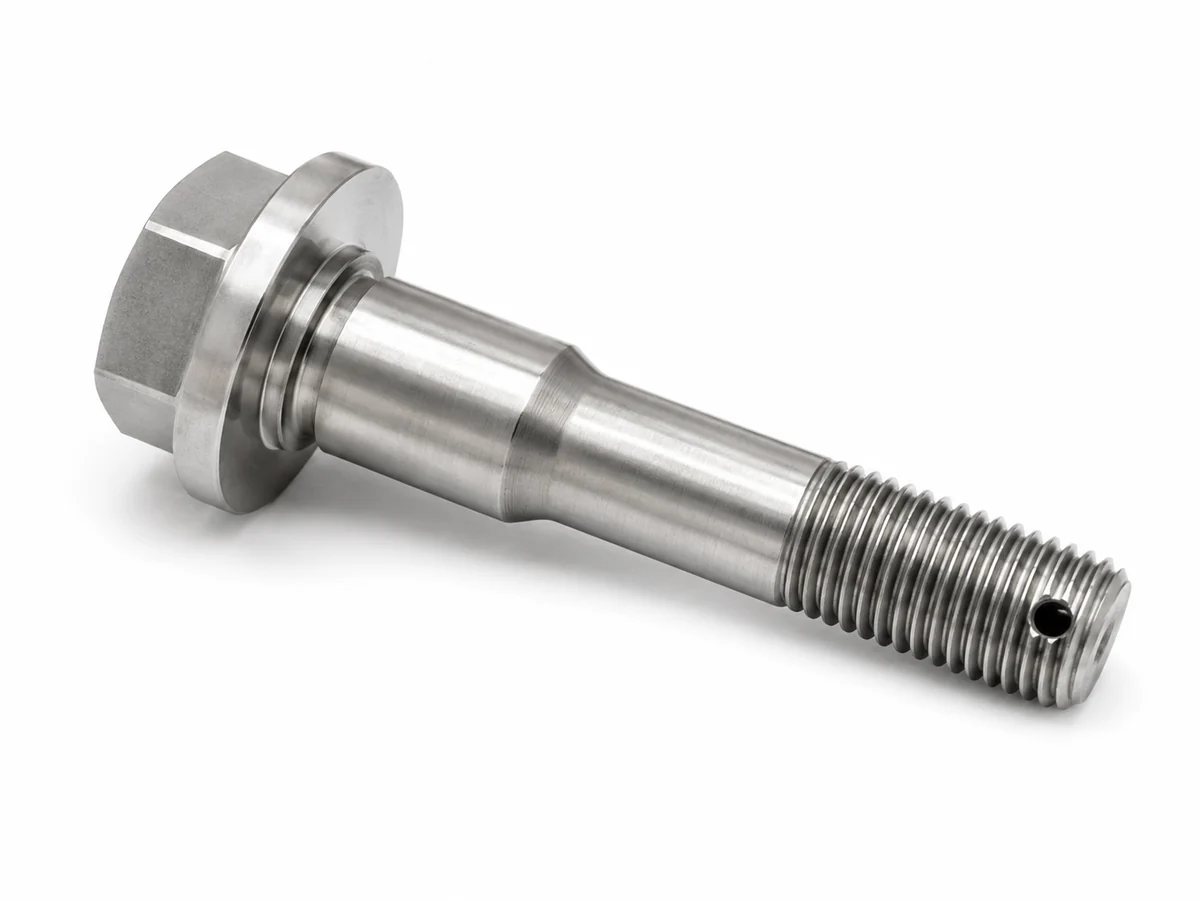
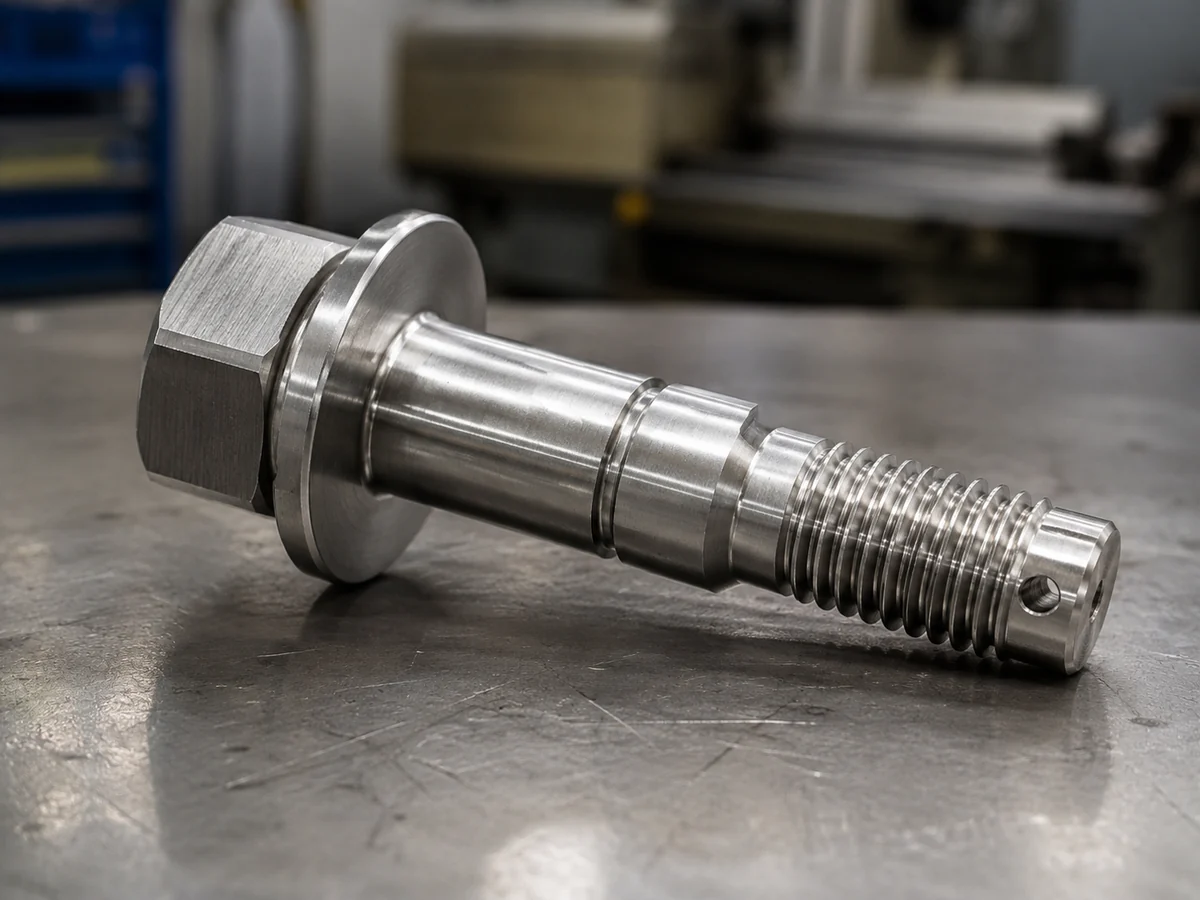
Published Figures, With Their Sources
Rather than invent a table, here is what is published, attributed, so you can weigh each one:
| Source | Application | Published figure | Stated conditions |
|---|---|---|---|
| Wilwood (brake manufacturer, datasheet DS-573) | Brake banjo bolt | 96–120 in-lb (≈10.8–13.6 N·m) do not exceed 144 in-lb (≈16.3 N·m) | With two new crush washers installed |
| Titanium banjo bolt vendors | M10 titanium, motorsport | ≈20–25 N·m (15–18 lb-ft) | Titanium bolt; washer type usually unstated |
| Turbo oil feed suppliers | M12 turbo oil feed | ≈22–28 N·m | Steel bolt; washer type usually unstated |
| Widely repeated forum figure | "M10 banjo" | 25–35 N·m | Often a caliper mounting bolt figure repeated in error — see below |
| Widely repeated forum figure | "M10×1.25 brake hose bolt" | 3.0 N·m | Implausibly low for a sealed joint; source untraceable |
Figures are reproduced as published by their respective sources and are the property of those manufacturers. EKINSUN does not endorse any of them for your application, and does not publish a recommended figure of its own. Where a source states conditions, those conditions are part of the figure.
Need a banjo bolt in a thread, length or material no catalogue lists? EKINSUN is a custom parts manufacturer: we make banjo bolts, double banjo bolts and restrictor bolts to your drawing, sketch or sample — steel, 304 or 316L stainless steel, brass or aluminium — from 1 piece, quoted in 12 hours and shipped duties paid. Standard sizes can often be supplied from stock; the more pieces, the lower the unit price. Custom banjo bolts →
The Mistake Behind Half the Contradictions
Look at the 25–35 N·m figure above. On many vehicles that is close to the brake caliper mounting bolt torque — a solid structural fastener that carries braking load. It is not the banjo bolt, which only has to crush two washers and seal a fluid passage.
The two get confused constantly in forum threads, service notes and parts listings, and the error travels in the dangerous direction: applying a caliper figure to a hollow bolt can snap it outright. If a quoted figure seems high for something whose only job is to squash two soft washers, check what part it was written for.
How Washer Type Shifts the Requirement
No numbers here, because they depend on size and source — but the direction is consistent and useful:
| Washer | Relative seating torque | Reuse | Notes |
|---|---|---|---|
| Annealed copper | Baseline — most published figures assume this | Renew or anneal | Work-hardens as it crushes; will not reliably reseal |
| Aluminium | Typically lower than copper | Renew | Softer; kinder to alloy housings |
| Fibre | Lower | Renew | Low-pressure fuel and pneumatic only |
| Bonded / Dowty seal | Lowest — the elastomer seals, not metal flow | Often reusable | Steel body with nitrile or Viton insert |
The practical consequence: if you substitute a washer type, the manufacturer's torque figure no longer applies. A copper-washer figure used on a bonded seal will over-compress the elastomer.
When No Specification Exists At All
This is the normal situation on older industrial hydraulics, agricultural machinery and plant where the manual is long gone — and it is the reason most people end up on a page like this. The accepted approach is to seat, pressurise, then increment:
- Fit new washers. Two of them, one either side of the eye. Never reuse crushed copper or aluminium.
- Check the seat faces. Both the component face and the bolt flange must be flat, clean and square. A scored seat will not seal at any torque.
- Tighten to snug. Bring the joint up until the washers are just seated and the eye no longer moves — firm, not tight.
- Bring up to working pressure and inspect for weeping.
- Increment in small steps — only until the weep stops. Re-check between steps.
- Stop at the first sign of yield. If the bolt keeps turning without the resistance rising, it is stretching. Back off, replace the bolt, and start again with new washers.
- If it will not seal at a sane torque, the fault is the seat face, the washer type or the bolt — not insufficient torque. Tightening further only breaks something.
// Not for brake or clutch systems
This procedure is for industrial and low-consequence hydraulic joints. Do not use it on braking or clutch hydraulics. Obtain the manufacturer's published figure, or have the work done by a qualified technician.
Common Failure Modes
- Weeping after a "correct" rebuild — almost always reused copper washers, not insufficient torque. Renewing the washers fixes what more torque will not.
- Snapped at the first port — a solid-bolt or caliper-bolt figure applied to a hollow bolt.
- Seals cold, weeps hot — mismatched materials: an aluminium washer on a steel seat expanding at a different rate, or a fibre washer used above its temperature range.
- Will not seal at any torque — a damaged or non-square seat face, or a bolt whose grip length is wrong so it bottoms before it clamps.
Need the Bolt, Not Just the Number?
If you are here because the banjo bolt itself is damaged, stretched, or marked obsolete by the OEM, that is what we do — custom and replacement banjo bolts machined from bar in any thread, bore, port configuration or material, with matching crush washers machined in the same batch so the joint arrives as one set. No drawing needed: send the old bolt.
Related: obsolete fasteners · custom washers · metric bolt torque chart (for the solid fasteners around the joint) · reverse engineering from a sample.
Frequently Asked Questions
There is no single figure. Published values span roughly 3 to 35 N·m depending on application, bolt material and washer type. Wilwood publishes 96–120 in-lb (≈10.8–13.6 N·m), not to exceed 144 in-lb, for their brake banjo bolts with two new crush washers. Titanium M10 bolts are quoted around 20–25 N·m. Use the figure from the manufacturer of the component you are assembling — and for brakes, that is the only acceptable source.
Because the joint seals by crushing a washer rather than by bolt preload. In a normal joint T = K·D·F applies and a chart works everywhere. Here the washer yields and flows, so the washer material and thickness govern the figure — copper, aluminium, fibre and bonded Dowty seals each need something different through the same bolt.
No. Standard charts assume a solid bolt of a given property class. A banjo bolt is hollow — bore and radial ports remove much of the section — so its capacity is well below a solid bolt of the same thread. The metric chart still applies to the surrounding fasteners, but not to the hollow bolt.
Not reliably. Copper and aluminium work-harden as they crush and often will not reseal — the most common cause of a weep after a correct-feeling rebuild. Renew them, or anneal copper by heating to dull red and letting it cool. Bonded Dowty seals tolerate reuse better and seat at lower torque.
No — and confusing them causes many of the conflicting numbers online. A caliper mounting bolt is a solid structural fastener carrying braking load and is torqued far higher. Applying that figure to a hollow banjo bolt can snap it.
Common on obsolete equipment. Fit new washers, tighten to snug, bring up to working pressure, then increment in small steps only until the weep stops — stopping immediately if the bolt turns without resistance rising. Do not use this on brake or clutch hydraulics; get the manufacturer figure instead.
Yes — the washer is the spring in the joint. Soft annealed copper yields at lower torque than hard aluminium; a bonded seal seals lower still because the elastomer does the work rather than metal flow. Any published figure is only valid for the washer it was published with.
The bolt is hollow so it is weaker than its thread suggests; the washer keeps yielding so there is no clear hard stop; and a small weep tempts more tightening when renewing the washers is the actual fix. It breaks at the first radial port, where the section is smallest.
Banjo Bolt Damaged or Obsolete?
Snapped, stretched, or no longer listed by the OEM. Send the old one — no drawing needed.
- →Any thread, bore, port count or restrictor orifice
- →Matching crush washers machined in the same batch
- →MOQ 1 piece, quote in 12h