The Custom-Part Trap in Conveyor Systems
Conveyor lines are assembled from a mix of catalogue components and parts the line builder machined specifically for your installation — odd roller lengths, non-standard sprocket bores, custom transfer plates. The catalogue parts stay available forever. The custom parts become unobtainable the day the builder closes or drops support for your line's generation.
Those custom parts are exactly what we reproduce. Send the worn original and we manufacture a replacement — typically faster than the OEM could even when they existed.
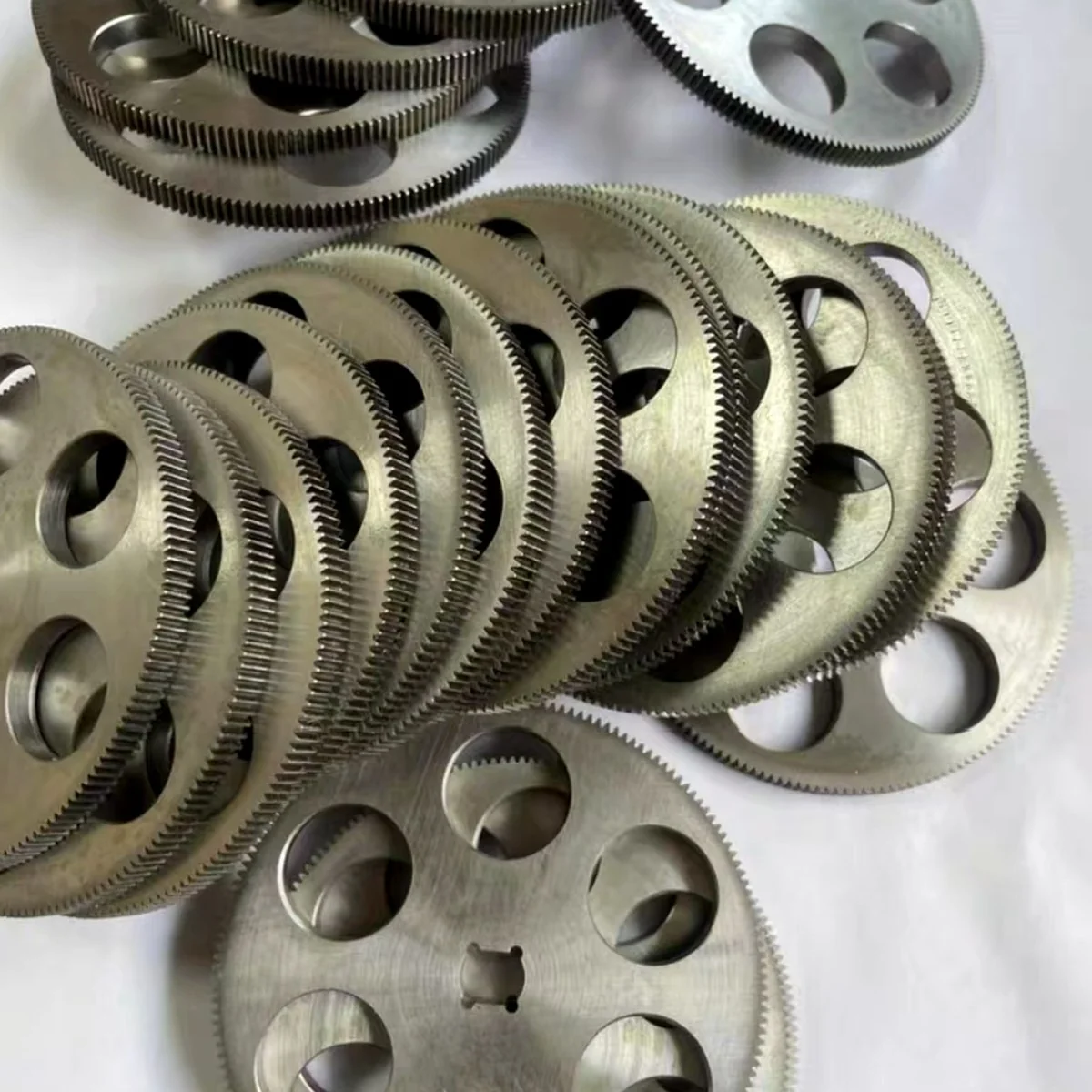
Conveyor Parts We Reproduce
Drive & idler rollers
Complete assemblies — tube, end caps, shaft — with standard bearing fits retained.
Chain sprockets
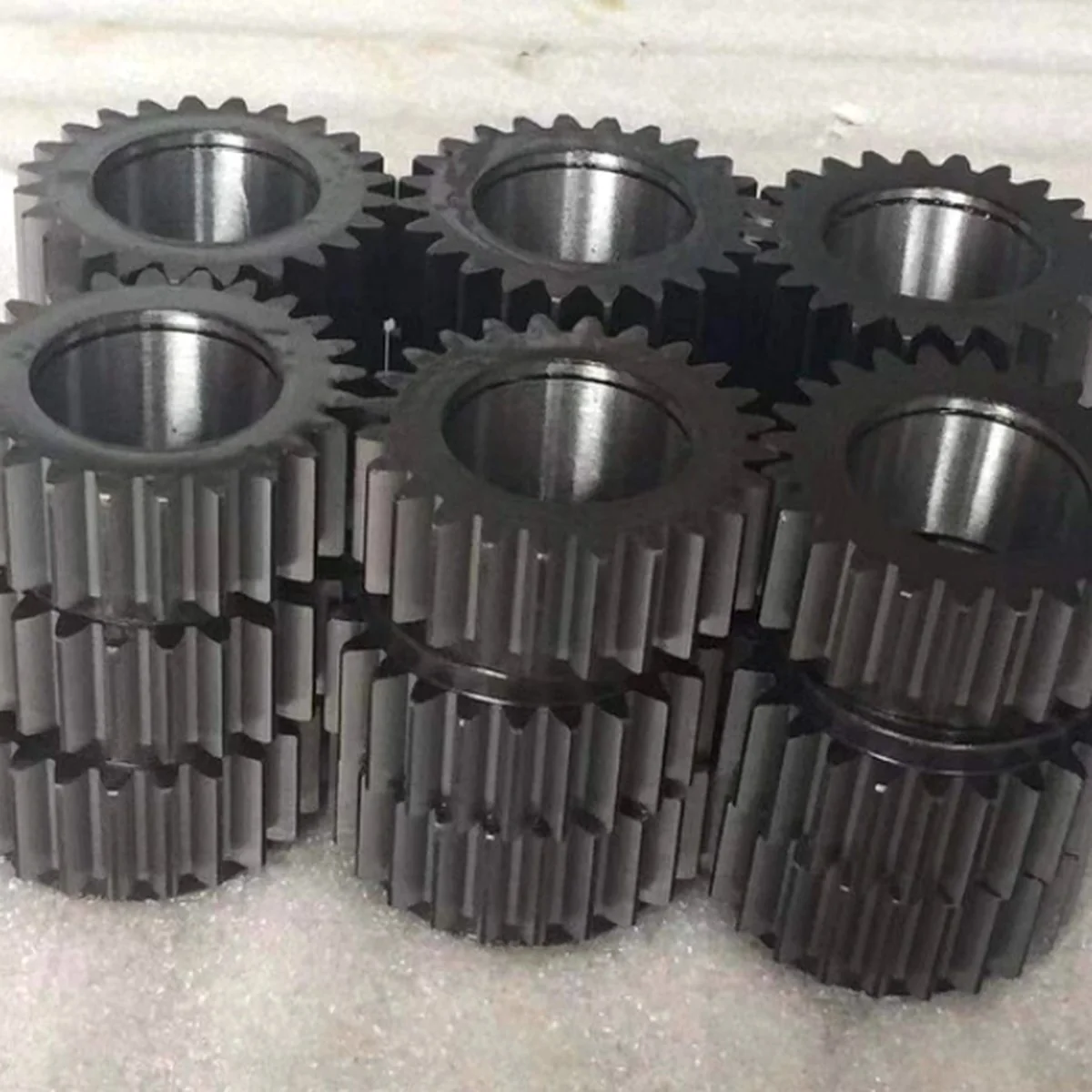
Pitch and tooth form confirmed against your chain; custom bores and keyways.
Drive shafts
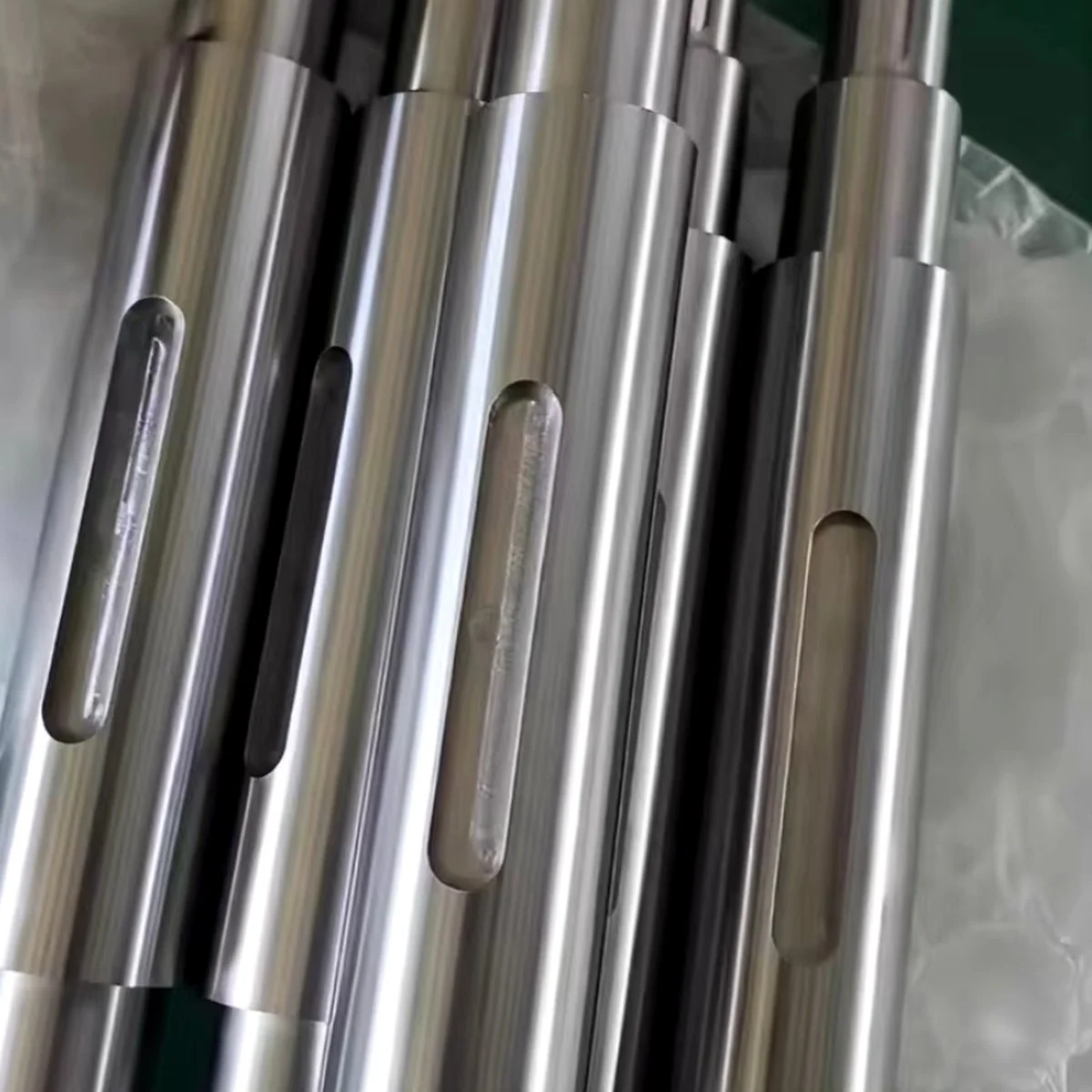
Journals, keyways and sprocket seats to original tolerance.
Side guides & rails
UHMW-PE and stainless guide rails machined to your profile.
Wear strips
UHMW-PE upgrade over standard HDPE — several times the wear life.
Bearing blocks
Pillow blocks and custom housings with standard insert bearings.
Transfer plates
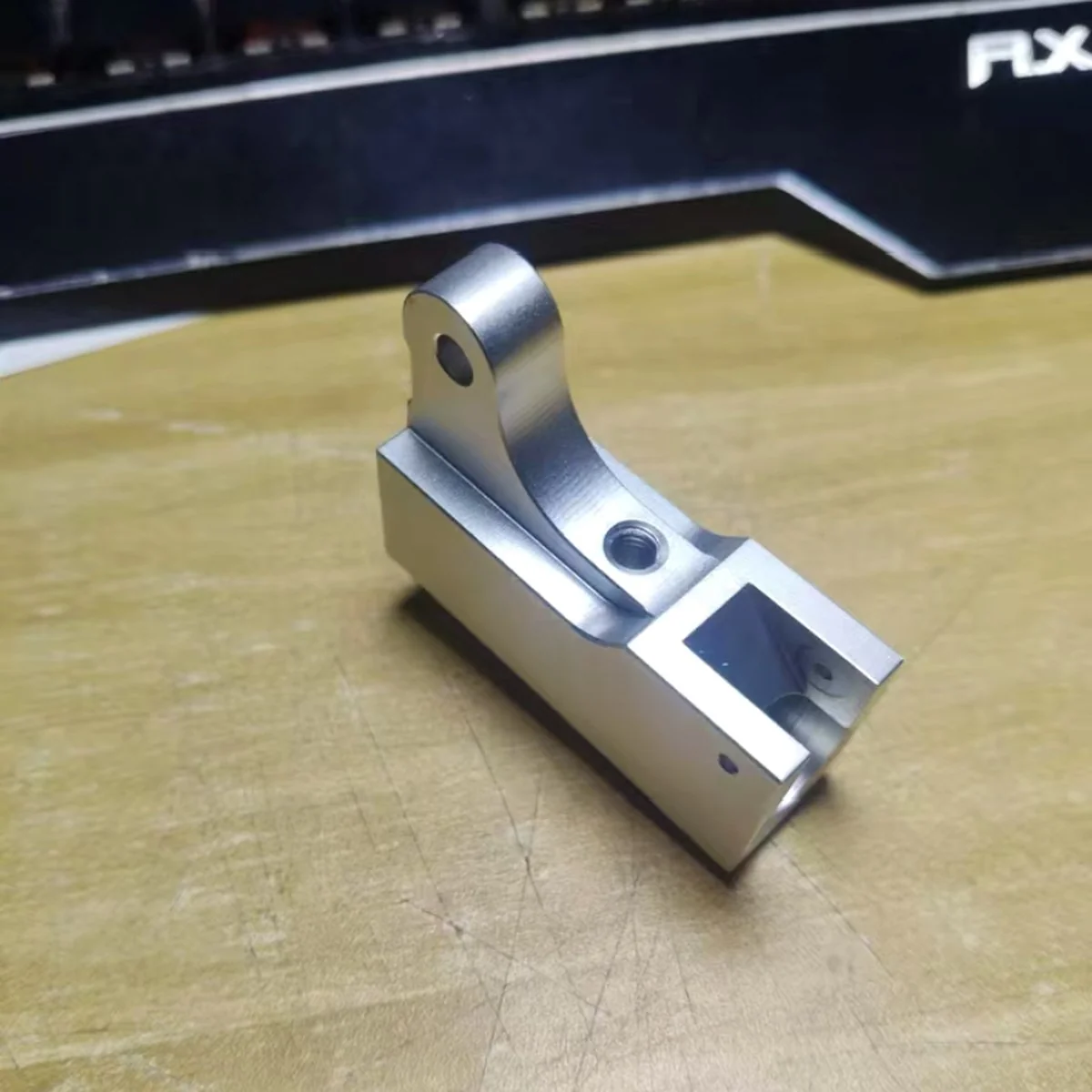
Dead plates and transfer combs machined to bridge your line's gap geometry.
Star wheels & timing screws
Product-handling components in food-contact acetal.
Material Guide for Conveyor Service
| Component | Standard | Upgrade for harder service |
|---|---|---|
| Rollers | Zinc-plated steel | 304/316 stainless for washdown |
| Wear strips, guides | HDPE | UHMW-PE; oil-filled nylon for load |
| Sprockets | C45 steel | Hardened teeth, stainless for food lines |
| Star wheels | Acetal (Delrin) | Food-contact certified acetal |
| Shafts | C45 steel | 17-4PH / 431 stainless for washdown |
| Guide brackets, side plates | 6061-T6 aluminium | 304 stainless where washdown reaches, 316L on the chloride side |
| What we will not put on a conveyor | 7075-T6 aluminium | Nothing on a conveyor needs its strength; it costs more than 6061, corrodes no better, and welds poorly if the bracket ever gets modified |
We keep bearings standard. When we reproduce a custom roller or bearing block, we design around standard bearing sizes (6204 at 20 × 47 × 14 mm, 6205 at 25 × 52 × 15 mm, 6206 at 30 × 62 × 16 mm, or UCF/UCP inserts) wherever the original allows. The custom part becomes ours to supply; the wear item stays a five-dollar bearing from any local supplier.
The sprocket that fits — and still chews the chain
This is the most expensive mistake we see on conveyor spares, and it survives because the wrong part goes on without a fight. British/ISO and American chain of the same pitch are not the same chain. ISO 08B-1 and ANSI 40 both run a 12.70 mm (½″) pitch, so a sprocket cut for one will mesh with the other and the drive will turn. What differs is underneath:
| Chain | Pitch | Roller diameter | Inner width |
|---|---|---|---|
| ISO 08B-1 (British) | 12.70 mm | 8.51 mm | 7.75 mm |
| ANSI 40 (ISO 08A-1) | 12.70 mm | 7.92 mm | 7.85 mm |
A roller 0.59 mm away from the tooth gap it was cut for does not sit in the root — it rides high on the flank. The drive runs, sounds normal, and destroys both the sprocket and a chain that should have lasted years. The symptom shows up as "we replace that sprocket every season", and the cause is a part number swapped once, years earlier.
So we do not read the sprocket, we read the chain. Send a short length of the chain that runs on the machine — or the chain's own designation off the box — with the worn sprocket. Metric conveyors also run hollow-pin and solid-plate chain at 10B-1 (15.875 mm), 12B-1 (19.05 mm) and 16B-1 (25.40 mm); the same rule applies at every one of those pitches.
What is a catalogue part — and where we come in
A conveyor is mostly catalogue components, and most of what breaks should be bought, not machined. Sorting that out first is the fastest thing we do for anyone.
| What failed | Catalogue item? | What we do about it |
|---|---|---|
| Bearings, chain, belt, motor, gearbox | Yes — by part number | Buy them by part number from any bearing factor or drives supplier. We design around them and never resell them |
| Standard-length roller in a standard diameter | Yes — roller houses stock these | Buy the catalogue part. A stocked roller beats a machined one on price every time |
| Standard-bore sprocket in a common pitch | Yes | Buy it, then have the bore and keyway cut locally if the bore is odd |
| Odd roller length or face diameter the line builder cut for this installation | No — it never had a part number | Tube, end caps and shaft machined as an assembly, standard bearing fits retained |
| Sprocket with a non-standard bore, hub or tooth count | No | Cut to your chain and your shaft, from 1 piece |
| Transfer plate, dead plate or comb bridging a gap unique to your line | No | Machined to the gap geometry measured off the worn original |
| Line builder gone, or your machine's generation dropped from support | No | Reproduced from the worn part; CAD sent back for approval before cutting |
How It Works
- Send the worn part — or photos with key dimensions; tell us belt speed, load and environment (dry, washdown, abrasive)
- Free CAD reconstruction — confirmed with you before machining. See machine parts RE
- Order line-down spares in the same run — multiple pieces from one setup cost far less per piece
Conveyor Parts We Have Reproduced
A selection of conveyor replacement work — food processing lines, packaging conveyors, palletisers and heavy-duty industrial systems:
The Custom Part Always Outlives the Builder
Conveyors fail in one specific way — they are mostly catalogue parts bolted around a few the builder machined just for your line, and it is always one of those that seizes and can't be bought. Those are exactly what we reproduce. The people who reach us have traced the stoppage to a builder who is gone, or who won't quote a single roller. Here is who they are and what lands on our bench.
"A custom roller seized on the packing line and the builder that made it folded years ago"
Send the seized roller. We strip the dimensions straight off it, rebuild it as a complete assembly — tube, machined end caps, shaft — and design it around a standard 6204 or 6205 bearing so the next failure is a five-dollar fix, not another teardown. Line-down jobs are quoted the day the part lands.
"Wear strips on the incline section last a few months and I'm sick of re-ordering the same part"
That is a material problem wearing a fit problem's clothes. We cut the identical profile in UHMW-PE instead of HDPE — several times the abrasion life — or oil-filled nylon where load and heat are doing the damage. Same holes, same geometry; you just stop buying them by the quarter.
"I've a drawer of obsolete conveyor spares from three different builders and no one source"
Lay them out and send the list with samples. We reproduce rollers, sprockets, guides and shafts to form-fit-function whoever built them, keep each CAD on file, and quote the mixed batch as one job — with the standard catalogue items flagged, so you never pay us to "make" a stock bearing.
"I maintain conveyor lines for several plants and need a repeatable source for the custom bits"
We slot in as your back-end shop: drive shafts ground to h6, sprockets matched to the chain, transfer plates cut to the gap. Food-grade stainless and acetal where the line gets washed down, certs on request, every part re-runnable from saved CAD the moment the next plant needs the same thing.
What Buyers Search For When a Conveyor Part Fails
See also conveyor scraper blades and flight bars, conveyor wear strips and chain guides and plastic rollers and wheels — the PE-UHMW, nylon and POM parts that wear out on a conveyor, made from one surviving sample or a drawing, from 1 piece.
Drive sprockets and pulleys on conveyors are mostly held by taper bushes; sizes 1008 to 4040, the hub each needs and which bush fits a sprocket of a given tooth count are on taper bushes and taper-bored hubs.
Drum and idler shafts run in pillow blocks; UCP 204 to 212 sizes and housings remade in steel or stainless with the same centre height and bolt spacing are on bearing housing replacement.
Idler wheels and rollers are held on their shafts and in their bores by circlips; when a worn groove has to be re-cut, the DIN 471 and DIN 472 sizes are in the circlip groove size chart.
Frequently Asked Questions
Yes. Conveyor systems are typically assembled from a mix of catalogue and custom-machined parts, and it's the custom parts that become unobtainable when the builder closes. Send the worn part and we reproduce it — rollers, shafts, sprockets, guides. No builder cooperation needed.
Yes. 304/316 stainless for metal components, food-contact acetal (Delrin) and UHMW-PE for wear strips, guides and star wheels. Crevice-free design maintained from the original, surfaces finished for washdown environments.
Usually. The standard upgrade is UHMW-PE in place of regular HDPE — several times the abrasion resistance at similar cost. For high-load or hot environments, oil-filled nylon or PEEK. Send a sample of the worn strip and tell us the belt speed and product load.
Yes — tube, machined end caps, shaft and bearing seats as a complete assembly. We fit standard bearings (6204, 6205 etc.) so future bearing replacement uses off-the-shelf parts even when the roller itself was custom.
Yes. Send a length of the chain or the worn sprocket and we measure the pitch, roller diameter and tooth count directly — ANSI, ISO or a proprietary pitch all work the same way. You don't need a spec sheet or a part number; the physical sample tells us everything we need to cut a matching tooth form.
Yes, and most conveyor customers do exactly that. Once a part is reconstructed the CAD stays on file, so a repeat run is a one-line email — and it ships faster and cheaper per piece than the first. We can also pre-make a small spares shelf during a planned shutdown, so the next failure isn't a line-down emergency.
Yes — that is exactly what we do. Send the worn conveyor part and we machine a replacement from it: rollers, shafts, sprockets, transfer plates and guides in metal or engineering plastic, no drawing or part number needed. Conveyor replacement machined parts are reproduced to fit your line, MOQ 1, with the CAD kept on file for repeat runs.
Conveyor Part Quote
Worn part or photos accepted. Reply in 12h.
// Qty & price
1 pc
Sample price
Confirm fit before a run
10–50
Unit price drops
Setup cost shared
100+
Best price
All tiers quoted upfront
- →No distributor — you pay the maker directly
- →CAD saved after first order — reorder anytime at lower unit price