A Block of Metal Full of Precise Holes
A manifold block routes fluid or air between ports through a network of internal passages, with valve cavities and sealing lands controlling flow. From outside it's a tidy block; inside it's a 3D maze of intersecting drillings that must meet exactly, stay clean, and hold pressure. That internal accuracy and cleanliness — not the outside shape — is what makes a manifold demanding, and it's exactly what precision machining controls.
It is also why a manifold is cut from solid rather than cast. A cast blank carries porosity inside the wall, and a cross-drilling can open an interconnected pore so the block weeps between two circuits — the reason cast manifolds need vacuum impregnation to be pressure-tight at all. A block cut from solid billet has nothing to seal.
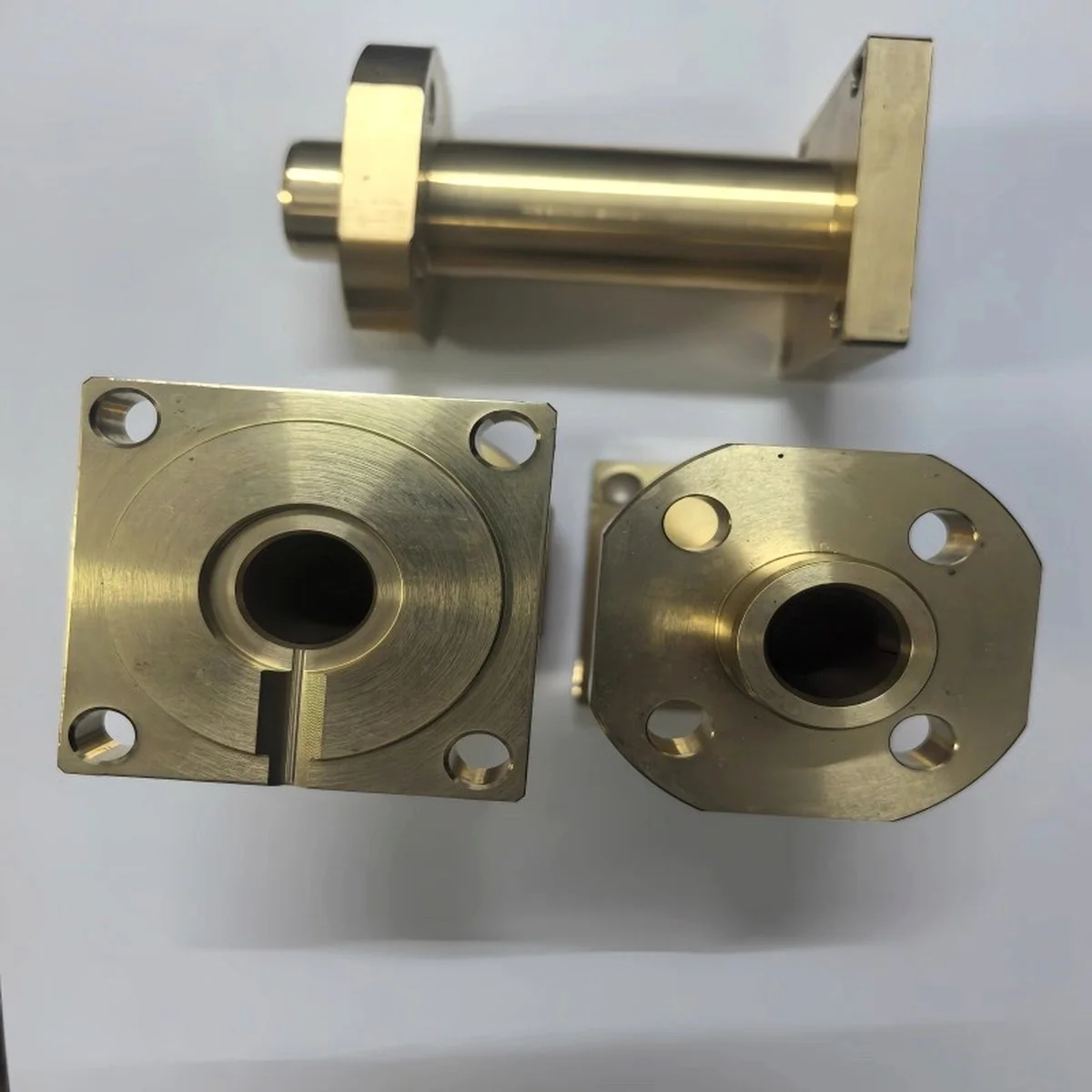
Custom Manifold Specifications
| Attribute | Capability |
|---|---|
| Materials | 6061 aluminium, steel, stainless |
| Passages | Cross-drilled to intersect precisely; deburred |
| Ports | BSP/BSPP, NPT/NPTF, metric, SAE O-ring boss |
| Cavities | Spool/valve bores and sealing lands to fit |
| Cleanliness | Internally deburred, cleaned, flushed |
| Testing | Pressure-tested on request |
What We Machine Into a Manifold
- Drilled flow passages — intersecting bores routing port to port
- Threaded ports — to your fitting standard, sealing first time
- Valve / spool cavities — bored and finished for the seals
- Mounting faces — flat, to bolt to a pump or valve stack
- Plugged cross-drills — to close drilling access points
Cartridge Cavities & Port Standards
Most custom manifolds carry cartridge valves screwed or slipped into machined cavities, plus ports for the fittings. We machine both to the exact standard so the valves seat and the fittings seal:
| Feature | Machined to |
|---|---|
| Screw-in cartridge cavities | Industry-standard cavities (e.g. SAE / Sun / HydraForce envelopes) for the valve you specify |
| Slip-in / DIN cavities | Bored and finished to the valve's cavity drawing |
| Ports | SAE O-ring boss (SAE J1926), BSP/BSPP, NPT/NPTF, metric |
| Gauge / test points | Cut to your standard where needed |
Tell us the cartridge valves you're using (or send a valve), the port standard and the working pressure — we machine the cavities to seat them correctly and route the passages between them.
Clean, Sealed, Tested
The two things that ruin a manifold are a burr at a passage intersection (which breaks loose and jams a valve) and a leaking port. We cross-deburr every intersection, clean and flush the block, cut ports to the exact standard, and pressure-test before shipping. See our hydraulic valve body case for the same discipline, and our guide to replacing a discontinued hydraulic part. For low-pressure coolant distribution — data-center and instrument loops rather than hydraulics — the same construction has its own page: custom liquid cooling manifolds.
Replacing an obsolete manifold? Send the old block or a drawing with the passage map and ports. We reproduce it in the right material and pressure-test it. No drawing? Start via no-CAD ordering.
See also custom valve bodies for a single valve body rather than a block, and cast parts made to order for cast manifolds, pump and valve housings.
Frequently Asked Questions
Both. From a drawing we machine the block, cross-drill the passages and cut the ports; from a sample we reverse-engineer the passage layout. We confirm the passage map and port standard before machining.
Every intersection is cross-deburred so nothing breaks loose downstream, then the block is cleaned and flushed, and pressure-tested on request.
BSP/BSPP, NPT/NPTF, metric and SAE O-ring boss — cut to standard so your fittings seal first time.
6061 aluminium for light/medium pressure, steel or stainless for higher pressure or aggressive media — selected with you by working pressure and fluid.
Quote a Manifold Block
Drawing, sample or passage map — all accepted. Reply in 12h.
// Qty & price
1 pc
Sample price
Confirm fit before a run
10–50
Unit price drops
Setup cost shared
100+
Best price
All tiers quoted upfront
- →No distributor — you pay the maker directly
- →CAD saved after first order — reorder anytime at lower unit price