Sealing Is the Whole Job
A piston has to transmit force and seal against its bore while sliding — so the dimensions that matter are the diameter, the seal-groove detail, and the surface finish, not the outside look. We don't guess these: the piston diameter is set by the bore clearance and the seal, the grooves are cut to the seal's spec, and the sealing surface is ground to a controlled finish. That's the difference between a piston that holds pressure and one that weeps.
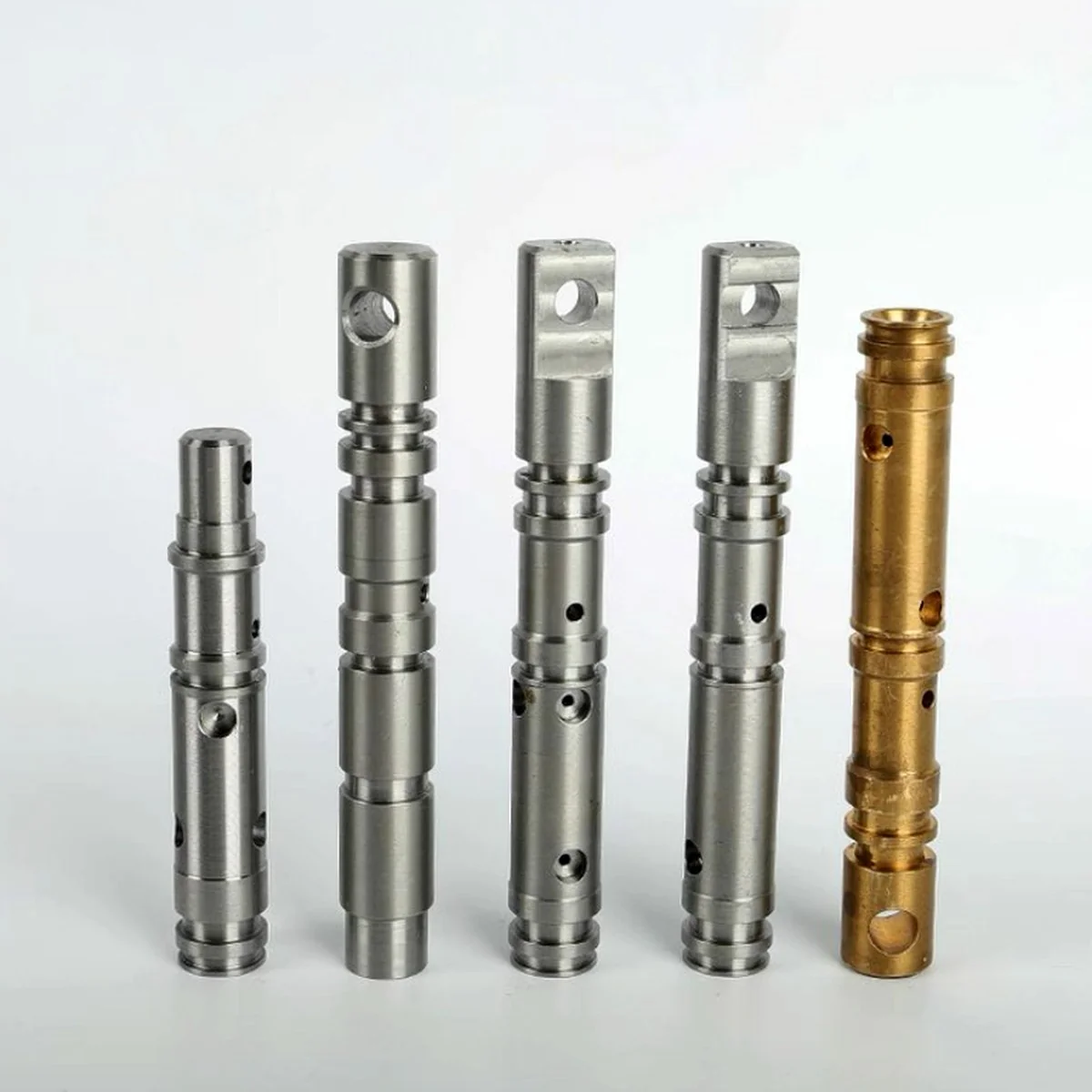
Custom Piston Specifications
| Attribute | Capability |
|---|---|
| Applications | Hydraulic, pneumatic, pump |
| Seal grooves | O-ring, piston-seal, wear-ring — to seal spec |
| Sealing surface | Ground / hard-chrome, controlled Ra |
| Materials | Steel (hardened/chromed), stainless, aluminium |
| Rod interface | Threaded / shouldered to your rod |
| Quantity | One-off to batch of spares |
Seal Grooves & Guide Rings We Machine
We machine the metal piston and cut every groove to the seal's spec — but the seals and rings themselves are standard elastomer/PTFE items you source (or we help cross-reference). What goes on a piston:
| Groove / feature | What it holds |
|---|---|
| Piston-seal groove | The main seal between the two chambers (U-cup, lip or PTFE energised seal) |
| O-ring groove (+ backup ring) | Static seal at the rod shoulder; backup ring prevents extrusion at high pressure |
| Wear / guide ring groove | Bearing ring that absorbs side load and stops metal-to-metal contact with the bore |
| Rod thread / shoulder | Locates and retains the piston on the rod |
Seal material is chosen for the duty — polyurethane (PU) for abrasion, PTFE for low friction and wide temperature, FKM/Viton for heat and chemicals. Tell us the seal part numbers (or send the old seals) and the working pressure, and we cut the grooves to suit.
How We Reproduce a Piston
- Measure the worn piston: diameter, groove dimensions, rod thread, length — restored to nominal.
- Confirm the bore & seals: we set the diameter to the bore clearance and cut grooves for your seals.
- Grind & protect: sealing surfaces ground, and hard-chrome plated where the duty needs it.
It's the same fluid-power discipline as our hydraulic valve body work and our guide to replacing a discontinued hydraulic part. We make the metal piston; seals are standard items we help you source.
Material & Surface
Hydraulic pistons are usually 4140 or similar, hardened or hard-chrome plated on the sealing surface; stainless for corrosion; aluminium for light pneumatic pistons. Diameter and finish are verified on inspection.
Scored or obsolete piston? Send the worn piston (and its seals if you have them) plus the bore size. We restore the sealing surfaces and machine a new one to fit. No drawing required.
The parts it runs against: a housing or cylinder is line-bored to the seat, and guide bushings are turned to the OD, ID and length the fit needs.
Will it seal? Piston checks before you order
A piston seals against the bore it runs in, so the bore is measured — at the ends and the middle, where it wears oval — and the piston is sized to it, not to the old piston. The seal grooves are cut to the seal maker's table for the seal you will fit: an O-ring groove and a U-cup groove for the same nominal size differ in width and depth, and a groove copied from a worn piston reproduces whatever the last repairer did. The rod thread and shoulder are the one thing copied exactly, because the rod is staying.
What do I need to have a piston made for a 50 mm bore cylinder?
The bore measured at three points, the rod thread and shoulder, the seal part numbers or the seals themselves, and the stroke. From that we set the piston diameter and clearance, cut the grooves to the seal table, and finish the sealing surface to the Ra the seal needs.
Same piston, but hard-chromed, in stainless, or for a different seal set
Hard chrome on the sealing surface, 316 for a water-service pump, grooves for a modern seal set in place of the original, or a wear ring added — each is a variant of the same drawing, one piece and up, quoted in 12 hours.
Frequently Asked Questions
Yes — we measure diameter, seal grooves, rod thread and length, restore the sealing surfaces, and machine a new piston to fit the bore. Seals are standard items we help you source. No drawing needed.
Diameter and finish are set by the seal and bore clearance — we machine and grind to size and confirm the bore with you before finishing.
Yes — O-ring, piston-seal and wear-ring grooves to the correct width, depth and corner detail. Give us the seal part number or the old piston and seals.
Steel (hardened/hard-chrome) for hydraulics, stainless for corrosion, aluminium for light pneumatic pistons — matched or upgraded to pressure and medium.
Quote a Custom Piston
Worn piston, bore size or drawing — all accepted. Reply in 12h.
// Qty & price
1 pc
Sample price
Confirm fit before a run
10–50
Unit price drops
Setup cost shared
100+
Best price
All tiers quoted upfront
- →No distributor — you pay the maker directly
- →CAD saved after first order — reorder anytime at lower unit price