The Crosswalk — 6 Free-Machining Steels Across AISI, EN, Old DIN / AFNOR, BS, JIS and GB
Of the 6 grades, 3 pairs are direct equivalents whose SAE and EN bands overlap on every element and 3 are nearest equivalents that differ in sulphur or carbon (1117, 11SMnPb37, 36SMnPb14). This is the family where the old names live longest — EN1A, 9SMnPb28, Stressproof — and where the name on the drawing decides one thing above all: whether the bar contains lead.
EKINSUN LTD turns fittings, adapters, pins, spacers, studs and bushes in every grade in the chart from one piece, leaded or lead-free as the drawing and the market require — from a drawing written in AISI, EN, JIS or GB names, a sketch or the worn part. This page is part of the material grade equivalents series.
| AISI / SAE | UNS | EN 10087 name (number) | Old DIN / AFNOR | BS 970 | JIS G4804 | GB/T 8731 | Equivalence |
|---|---|---|---|---|---|---|---|
| Low-carbon resulphurised, leaded — the automatic-lathe steels | |||||||
| 12L14 | G12144 | 11SMnPb30 (1.0718) | 9SMnPb28 (AFNOR S250Pb) | 230M07 leaded (EN1A Pb) | SUM22L / SUM24L | Y12Pb / Y15Pb | direct: the screw-machine steel of the world: 12L14 (C ≤ 0. |
| 1215 | G12150 | 11SMn30 (1.0715) | 9SMn28 (AFNOR S250) | 230M07 (EN1A) | SUM23 (SUM22) | Y15 (Y12) | direct: the lead-free version of 12L14 / 11SMnPb30, with the same sulphur and a slightly higher phosphorus (1215: P 0. |
| 1117 | G11170 | — (nearest 10S20 / 1.0721, std) (1.0721) | 10S20 | 210M15 (std) | SUM31 (std) | Y20 (std) | nearest: the resulphurised carburising steel for pins and bushes that are case-hardened after turning; 10S20 / 1. |
| 12L13 / 12L14 (nearest) | G12134 | 11SMnPb37 (1.0737) | 9SMnPb36 | 230M07 leaded (std) | SUM24L (nearest) | Y15Pb (nearest) | nearest: the European high-sulphur variant (S 0. |
| Medium-carbon resulphurised — the stressproof shafts | |||||||
| 1144 (Stressproof) | G11440 | 44SMn28 (1.0762) | 45S20 (AFNOR 45MF4) | 212M44 (std) | SUM43 | Y45Mn (std) | direct: the free-machining medium-carbon steel: C45 chemistry with S 0. |
| 11L37 / 1137 (nearest) | G11370 | 36SMnPb14 (lead-free: 35S20) (1.0765 (1.0726)) | 35SPb20 / 35S20 | 212M36 (EN8M) | SUM41 (nearest) | Y35 (std) | nearest: the European free-machining C35 for hydraulic fittings and nuts that are hardened or plated after turning; the US 1137 / 11L37 carries less sulphur and BS 212M36 (EN8M) sits between. |
EN 10087, JIS G4804 and GB/T 8731 bands are taken from the standards’ tables and marked ‘std’ (the MakeItFrom EN free-cutting pages were not reachable on 2026-09-25); the 12L14, 1144 and 1117 SAE bands are fetched. 1117 has no EN twin in EN 10087 and its row shows 10S20 as the nearest; 11SMnPb37 and 36SMnPb14 are European grades without an exact SAE counterpart. Old names: 9SMn28 / 9SMnPb28 / 9SMnPb36 / 45S20 / 35S20 (DIN 1651), S250 / S250Pb / 45MF4 (AFNOR), EN1A / EN1A Pb / EN8M (BS 970:1955).
Need a part machined in 12L14 / 11SMnPb30 or its equivalent free-machining steel? EKINSUN is a custom parts manufacturer: we machine parts in 12L14 / 11SMnPb30 or its equivalent free-machining steel to your drawing, sketch or sample, from 1 piece, with a material certificate on request and a quote in 12 hours. Standard sizes can often be supplied from stock; the more pieces, the lower the unit price. How ordering without CAD works →
Composition Bands — US and EN Side by Side (mass %)
Each cell shows the SAE J403 band first and the EN 10087 band under it. The sulphur column is the family’s signature — 0.26–0.35 % in 12L14 against 0.27–0.33 % in 11SMnPb30, up to 0.34–0.40 % in 11SMnPb37 — and the lead column decides RoHS: 0.15–0.35 % in 12L14, 0.20–0.35 % in 11SMnPb30, none in 1215 / 11SMn30.
| Grade | C | Mn | S | Pb |
|---|---|---|---|---|
| 12L14 11SMnPb30 | US ≤ 0.15 EN ≤ 0.14 (std) | US 0.85–1.20 EN 0.90–1.30 (std) | US 0.26–0.35 EN 0.27–0.33 (std) | US 0.15–0.35 EN 0.20–0.35 (std) |
| 1215 11SMn30 | US ≤ 0.09 (std) EN ≤ 0.14 (std) | US 0.75–1.05 (std) EN 0.90–1.30 (std) | US 0.26–0.35 (std) EN 0.27–0.33 (std) | US — EN — |
| 1117 — | US 0.14–0.20 EN 0.07–0.13 (10S20, std) | US 1.00–1.30 EN 0.70–1.10 (std) | US 0.08–0.13 EN 0.15–0.25 (std) | US — EN — |
| 12L13 / 12L14 11SMnPb37 | US ≤ 0.13 (12L13, std) EN ≤ 0.14 (std) | US 0.70–1.00 (std) EN 1.00–1.50 (std) | US 0.24–0.33 (std) EN 0.34–0.40 (std) | US 0.15–0.35 (std) EN 0.20–0.35 (std) |
| 1144 44SMn28 | US 0.40–0.48 EN 0.40–0.48 (std) | US 1.40–1.70 EN 1.35–1.65 (std) | US 0.24–0.33 EN 0.24–0.33 (std) | US — EN — |
| 11L37 / 1137 36SMnPb14 | US 0.32–0.39 (1137, std) EN 0.32–0.39 (std) | US 1.35–1.65 (std) EN 1.30–1.70 (std) | US 0.08–0.13 (std) EN 0.10–0.18 (std) | US — (11L37: 0.15–0.35) EN 0.20–0.35 (std) |
The Drawing Says… — What We Make the Part In
This is the column no stockholder chart has. A drawing arrives in one country’s names and the part is machined where a different name is on the bar; the table says, grade by grade, what the part is made in and what — if anything — changes. The rule behind every row: the grade and delivery condition actually used are written on the quote before machining and on the EN 10204 3.1 certificate after it.
| The drawing says | What we make it in — and what changes |
|---|---|
| 12L14, SUM24L or Y15Pb | made in 11SMnPb30 / 1.0718 bar (or 12L14 in the US); a RoHS, ELV, food or drinking-water note on the drawing switches the order to the lead-free 11SMn30 / 1215 and the change is on the quote. |
| 1215, 230M07, EN1A, SUM23 or Y15 | made in 11SMn30 / 1.0715 (or 1215 in the US); no change to the part. |
| 1117 or 1118 | made in 10S20 or 11SMn30 in Europe when the part is not hardened, or in 16MnCr5 / C15E when it is case hardened; the substitution is stated on the quote (see the case-hardening steel chart). |
| 11SMnPb37 or 9SMnPb36 | made in 11SMnPb37 in Europe, in 12L14 elsewhere with the lower sulphur named; the part is the same, the cycle time is not. |
| 1144, Stressproof or SUM43 | made in 44SMn28 / 1.0762 cold-drawn bar; where the drawing wants a hardened part, C45E or 42CrMo4 is proposed instead and the reason (sulphur, toughness) is on the quote. |
| 36SMnPb14, 35S20 or EN8M | made in 36SMnPb14 (or 35S20 lead-free) in Europe; outside Europe in 1137 / 11L37 with the sulphur band named, or in C45 / 1045 when the drawing needs the toughness. |
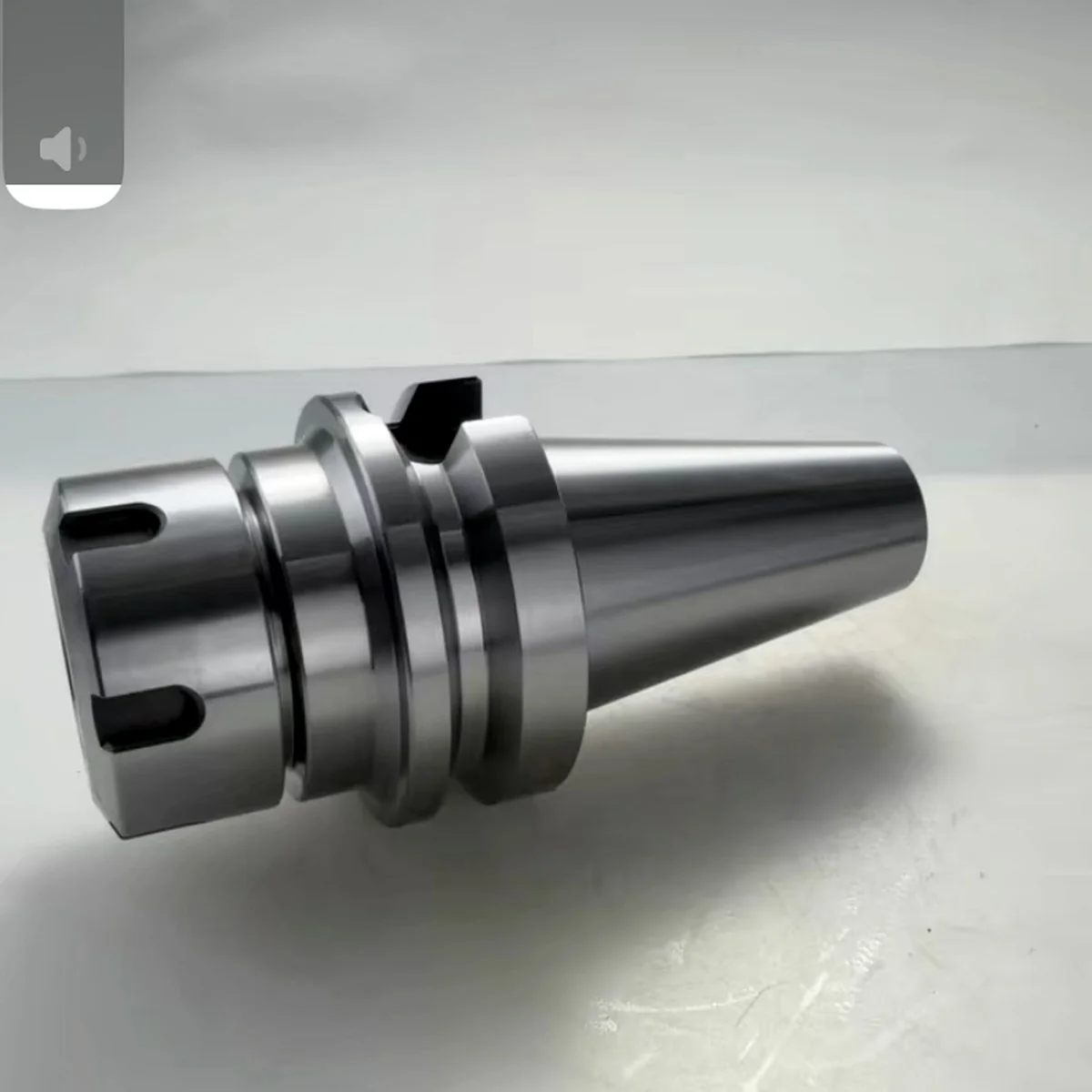
Two requests from the inbox show the two directions. A French buyer: “manchon fileté M20, acier 11SMnPb30, 200 pièces, zingué” — turned in 11SMnPb30, zinc-plated, and because the sleeves go into a machine, not a consumer product, the lead stays; the quote says so. A US buyer with a drawing in 12L14 for a water-meter fitting: the lead has to go, the part is turned in 11SMn30 / 1215 and the certificate shows it. Custom thread adapters, spacers and turned fittings in these grades follow the same route; a hand sketch with the main dimensions is enough to start.
Four Traps — Where a Name Match Is Not a Material Match
Trap 1 — lead. 12L14, 11SMnPb30, SUM24L and Y15Pb all carry 0.15–0.35 % lead; a drawing for an EU consumer product (RoHS), a vehicle (ELV), food or drinking water cannot be made in them, whatever the name system. The lead-free twin costs cycle time, not strength.
Trap 2 — these steels are not hardened. 12L14 / 11SMn30 have C ≤ 0.15 % and stay soft; a drawing that says 12L14 and ‘harden to 45 HRC’ contradicts itself, and 1117 / 10S20 are only case-hardened. For a hard turned part the family is C45E, 42CrMo4 or 303 — see the other charts.
Trap 3 — sulphur costs toughness and finish. 1144 / 44SMn28 has the strength of a Q&T C45 but cracks across the grain under impact, and every free-cutting steel shows sulphide streaks under polish or bright zinc. Fine for a fitting or a stud, wrong for a lever or a visible knob.
Trap 4 — 11SMnPb37 is not 12L14. The European high-sulphur grade (S 0.34–0.40 %) turns faster than anything in the SAE list; a US shop quoting it in 12L14 gives the same part at a slower cycle, and should say so.
Sulphur, Lead, Strength and the Numbers Behind the Names
| Fact | Value | Standard / source |
|---|---|---|
| What free-machining means | Sulphur 0.24–0.40 % forms manganese sulphide stringers that break the chip, and lead 0.15–0.35 % lubricates the cut; together they allow 2-3 times the cutting speed of C45 with a better as-turned finish and lower tool wear. The price: lower toughness across the grain, poor weldability, and no lead where RoHS, ELV, food or drinking-water rules apply. | EN 10087; SAE J403 |
| Composition of the anchor grade in four systems | 12L14 (SAE): C ≤ 0.15, Mn 0.85–1.20, P 0.04–0.09, S 0.26–0.35, Pb 0.15–0.35. 11SMnPb30 (EN 10087): C ≤ 0.14, Si ≤ 0.05, Mn 0.90–1.30, P ≤ 0.11, S 0.27–0.33, Pb 0.20–0.35. SUM24L (JIS G4804): C ≤ 0.15, Mn 0.85–1.15, P 0.04–0.09, S 0.26–0.35, Pb 0.10–0.35. Y15Pb (GB/T 8731): C 0.10–0.18, Mn 0.80–1.20, S 0.23–0.33, Pb 0.15–0.35. | MakeItFrom 12L14; EN 10087; JIS G4804; GB/T 8731 (std) |
| Lead-free pairs | 11SMnPb30 → 11SMn30 (1.0715); 11SMnPb37 → 11SMn37 (1.0736); 12L14 → 1215 or 1213; 36SMnPb14 → 35S20 (1.0726); SUM24L → SUM23. Same sulphur, no lead, about 10-15 % slower cutting; bismuth- and tellurium-treated grades (e.g. 11SMnBi30) recover most of the speed and are what a RoHS drawing gets in a European shop. | EN 10087; SAE J403 |
| Strength as delivered | 11SMn30 / 1215 cold-drawn: Rm 380-570 MPa (bar 16-40 mm, std), not heat-treatable. 44SMn28 / 1144 cold-drawn stress-relieved (Stressproof): Rm about 700-850 MPa, Re 550-620 MPa, the strength of a Q&T C45 with no heat treatment. Neither grade is meant to be hardened through; 1144 / 44SMn28 induction-hardens on the surface. | EN 10087; Stressproof datasheet (std) |
| Plating and corrosion | All free-machining steels rust and are zinc-plated, nickel-plated or blackened; sulphide stringers can open as pits under zinc and show as streaks after polishing, so a decorative finish is a reason to leave the family for C45 or brass. | Shop practice |
| Not the same family | 303 / 1.4305 is the free-machining stainless (S 0.15–0.35 %, on the stainless chart); CuZn39Pb3 / C360 is the free-machining brass (Pb 2.5–3.5 %, on the brass page); 2011 is the free-machining aluminium. The steels on this page are the low-cost, plated, non-corrosion-resistant option for turned parts in volume. | EN 10088-3; EN 12164; EN 573-3 |
| Old names still on drawings | EN1A (BS, = 230M07 / 11SMn30), EN1A Pb (leaded), EN8M (= 212M36 / 36SMn14), 9SMn28 / 9SMnPb28 / 9SMnPb36 (DIN 1651), S250 / S250Pb / 45MF4 (AFNOR), Stressproof (LaSalle trade name for 1144 cold-drawn stress-relieved). | BS 970:1955; DIN 1651; AFNOR |
The turning route for these grades is on CNC machining; the free-machining stainless (303 / 1.4305) is on the stainless steel chart, the free-machining brass on brass machining, and the surface finish a sulphur steel can reach on the surface roughness chart.
Where the Chart Stops — Bar From Stock, Parts From a Drawing
Free-machining bar is the cheapest turning stock there is and every stockholder holds it, leaded and lead-free; a fitting, pin, spacer or stud turned from it to your drawing, plated and gauged, is not on any shelf. The table is plain about which is which.
| What you need | In the catalogue? | What we machine |
|---|---|---|
| Free-cutting bar in 12L14, 11SMnPb30, 1215 or 11SMn30 for your own lathe | Yes — every stockholder | Buy it from stock, leaded or lead-free, cold-drawn to h9 / h11; the cheapest turning bar there is, and we say so in the quote instead of taking the order. Standard parts: ask us too — we may have them in stock. |
| Threaded fittings, adapters, plugs and hex standoffs turned in volume and zinc-plated, drawn in 12L14 by a US buyer | No | Turned in 11SMnPb30 / 12L14 when lead is allowed, in 11SMn30 / 1215 when the drawing or the market forbids it (RoHS, ELV), plated to the drawing; see thread adapters and CNC machining. |
| Spacers, bushes and pins in EN1A or 9SMnPb28 from a European drawing, 50–5,000 pieces | No | Turned in 11SMn30 / 11SMnPb30 on a sliding-head lathe, gauged, plated or left bright; see square spacers for how a spacer that no catalogue lists is quoted. |
| A stud, tie rod or shaft in 1144 Stressproof or 44SMn28 that must stay straight after machining | No | Turned from cold-drawn stress-relieved 44SMn28 / 1144 bar so the part does not move when the skin is cut; where the drawing wants a hardened core we propose C45E or 42CrMo4 and say why — see the 4140 / 42CrMo4 chart. |
| A part drawn in 12L14 / 11SMnPb30 for a product that carries a RoHS, ELV, food or drinking-water note | No | Made in the lead-free twin (11SMn30 / 1215 or a bismuth grade) with the change on the quote before machining; the certificate shows no lead. |
| A polished or decorative turned part drawn in a free-cutting steel | No | We point out that sulphide stringers show through polish and plating, and propose C45, brass CuZn39Pb3 or 303 stainless instead — see the stainless chart and brass grades. |
Quick Answers
What is 12L14 in EN?
11SMnPb30 / 1.0718 (S 0.27–0.33 %, Pb 0.20–0.35 %), old DIN 9SMnPb28; JIS SUM24L; GB Y15Pb; BS 230M07 leaded (EN1A Pb). Direct equivalent.
What is 1215 in EN?
11SMn30 / 1.0715, old DIN 9SMn28; BS 230M07 (EN1A); JIS SUM23; GB Y15. The lead-free twin of 12L14 / 11SMnPb30.
What is EN1A?
BS 970:1955 name for 230M07 = 11SMn30 / 1215; EN1A Pb = 11SMnPb30 / 12L14; EN8M = 212M36, a free-machining 0.36 % C steel.
What is 1144 in EN?
44SMn28 / 1.0762 (C 0.40–0.48 %, Mn 1.35–1.65 %, S 0.24–0.33 %), old DIN 45S20; JIS SUM43; GB Y45Mn. Stressproof = 1144 cold-drawn stress-relieved.
What is Y15Pb?
GB/T 8731 leaded free-cutting steel = 12L14 / 11SMnPb30; Y15 and Y12 are the lead-free grades = 1215 / 11SMn30.
What is 11SMnPb37 in AISI?
No exact twin: S 0.34–0.40 % is above the 12L14 / 12L13 band (0.24–0.35 %); made in 12L14 outside Europe with the lower sulphur named.
Which free-cutting steels are lead-free?
11SMn30, 11SMn37, 1215, 1213, 35S20, 44SMn28, SUM23, Y12 / Y15 — same sulphur, no lead, about 10–15 % slower to turn; bismuth grades (11SMnBi30) recover most of the speed.
Other families in the series: medium-carbon steels (1045 / C45 / S45C / 45), quenched-and-tempered steels (4140 / 42CrMo4), stainless steels (304 / 1.4301, 303 / 1.4305), aluminium alloys (6061, 2011), plastic trade names (Delrin, Teflon); the index is the material grade equivalents hub.
12L14 / 11SMnPb30 Equivalents FAQ
12L14 is 11SMnPb30, material number 1.0718, in EN 10087 (old DIN 9SMnPb28); the same steel is JIS SUM24L (or SUM22L), GB/T 8731 Y15Pb / Y12Pb and BS 230M07 leaded (EN1A Pb). The bands overlap: 12L14 has C ≤ 0.15 %, Mn 0.85–1.20 %, S 0.26–0.35 % and Pb 0.15–0.35 %; 11SMnPb30 has C ≤ 0.14 %, Mn 0.90–1.30 %, S 0.27–0.33 % and Pb 0.20–0.35 %. Both are the leaded automatic-lathe steel, and both are replaced by their lead-free twin (1215 / 11SMn30) when a RoHS, ELV or drinking-water note is on the drawing.
12L14 (UNS G12144). 11SMn30, the lead-free version, is 1215 (G12150) or 1213; 11SMnPb37 (S 0.34–0.40 %) has no exact AISI twin and is made in 12L14 outside Europe with the lower sulphur named. All are free-cutting low-carbon steels that are not hardened, only plated.
EN1A is the old BS 970:1955 name of 230M07 — the British lead-free free-cutting steel — and is 11SMn30 / 1.0715 in EN 10087, 1215 in AISI, SUM23 in JIS and Y15 in GB. EN1A Pb (leaded) is 11SMnPb30 / 12L14. EN8M is 212M36, a free-machining 0.36 % carbon steel near 36SMn14 / 1137.
Yes for the steel: 1144 (C 0.40–0.48 %, Mn 1.40–1.70 %, S 0.24–0.33 %) and 44SMn28 / 1.0762 (C 0.40–0.48 %, Mn 1.35–1.65 %, S 0.24–0.33 %) overlap on every element; JIS SUM43 and GB Y45Mn are the same. 'Stressproof' is a trade name for 1144 cold-drawn and stress-relieved to about 700–850 MPa, and 44SMn28 +C is the European equivalent condition. It is a shaft and stud steel with the machinability of a free-cutting grade and the strength of a quenched-and-tempered C45, but lower toughness across the grain.
12L14 for a 1215 drawing only if lead is allowed: the leaded grade turns faster and finishes better, but a RoHS, ELV, food-contact, drinking-water or medical note forbids it, and a plated part with lead in it fails a compliance audit. 1215 for a 12L14 drawing is always safe for the part and costs about 10–15 % more cycle time. Either way the grade used goes on the quote and on the certificate.
GB/T 8731 free-cutting steels: Y12 and Y15 are the lead-free grades (Y = 易切削, easy-cutting; the number is carbon × 100), Y12Pb and Y15Pb the leaded ones, Y45Mn the medium-carbon grade near 1144 / 44SMn28. A Chinese turned-parts certificate that says Y15Pb corresponds to 12L14 / 11SMnPb30.
EKINSUN LTD is a custom parts manufacturer that turns fittings, adapters, pins, spacers, studs, bushes and small shafts in 11SMnPb30 / 12L14, 11SMn30 / 1215 / EN1A, 44SMn28 / 1144 and 36SMnPb14 from one piece, zinc-plated, nickel-plated or blackened, from a drawing written in AISI, EN, JIS or GB names, a sketch or the worn part. The quote states the grade the part is turned in and whether it contains lead; the EN 10204 3.1 certificate names the grade actually used. Quote in 12 hours.